


20-Year Treasury Yields Signal Shifting Outlook
A 20-year Treasury yield at 3.85% suggests the economy could be changing, offering new investment opportunities.
• Yield is at 3.85% today.
• Forecasts point to a median yield near 4.00%.
• Long-term government debt may create fresh strategies for investors.
Today’s figures hint at an evolving economic landscape. Investors should note that the 3.85% yield and forecasts near 4.00% indicate that long-term debt might play a bigger role in shaping portfolios. This shift could mean new opportunities, and risks, to consider in your investment approach.
Current 20 Year Treasury Yield Data and Interpretation
At market close, the 20-year Treasury nominal yield is about 3.85%, with the inflation-adjusted (real) yield near 1.50%. This live, daily updated data helps traders and investors quickly gauge long-term government debt risk.
• Nominal yield: 3.85%
• Real yield: 1.50%
• Daily, live updates ensure accurate, current figures
• Helps assess long-term risk and return for government bonds
The real yield is found by subtracting the 20-year inflation forecast from the nominal yield. A key forecast model, which uses current yield data and futures prices, estimates a median nominal yield of roughly 4.00% over the next 20 years. This reliable approach reflects the market’s expectations on long-term interest rates, equipping investors with clear signals to adjust their strategies accordingly.
Historical Trends in the 20 Year Treasury Yield

Between 1962 and 1980, U.S. government bonds had high yields. Rising inflation and market uncertainty kept yields between 7.5% and 15%, with an average of 10.8%. This period meant higher risk premiums for investors and set in motion major shifts in monetary policy.
From 1981 to 2020, yields dropped sharply. Aggressive rate hikes and later economic stabilization helped bring yields down. Between 1981 and 2000, yields ranged from 5% to 15% with an average of 8.2%. In the 21st century, improved monetary policy pushed yields as low as roughly 2% by 2020.
| Period | Yield Range | Average Yield |
|---|---|---|
| 1962–1980 | 7.5%–15% | 10.8% |
| 1981–2000 | 5%–15% | 8.2% |
| 2001–2020 | 1.5%–6% | 3.4% |
| 2021–2026 (forecast) | 2%–4.5% | 3.6% |
Since 2020, yields are rebounding. They reached about 3.5% by 2023, with forecasts expecting an average of 3.6% for 2021–2026. This recovery comes as markets adjust to post-pandemic conditions, renewed inflation pressures, and evolving policy measures.
Economic Drivers of the 20 Year Treasury Yield
The 20-year Treasury yield moves based on shifts in inflation forecasts, Fed policy, economic growth, and government fiscal moves. In simple terms, the yield you see is the nominal yield minus the expected inflation over 20 years. Investors and policymakers watch these numbers closely since a change in one area can adjust the whole long-term interest rate curve.
• Investors raise required returns when they expect higher inflation, which pushes down the real yield (nominal yield minus inflation forecast).
• Fed rate changes, even small ones, can shift the yield curve as investors reallocate funds ahead of economic shifts.
• Government spending, debt levels, and economic growth all affect supply and demand for bonds, influencing yields.
Inflation Expectations
Investors use market-based inflation forecasts to decide how much return they need. If the 20-year inflation forecast goes up, the real yield drops even if the nominal yield stays the same. This change shows how much extra return is needed to cover the loss in purchasing power.
Monetary Policy
When the Federal Reserve adjusts rates or offers forward guidance, long-term bond yields often follow suit. Even modest moves by the Fed can lead to a ripple effect along the yield curve as market players change their portfolios in anticipation of the next economic phase.
Fiscal and GDP Factors
Government budget deficits, new debt, and changes in GDP shape Treasury yields too. Higher deficits and increased debt can push yields up by adding supply, while strong economic growth can sustain higher rates by boosting the need for credit.
Investors use these key factors to adjust their strategies as they keep an eye on possible rate changes in the broader market.
Comparing 20 Year and 10 Year Treasury Yields
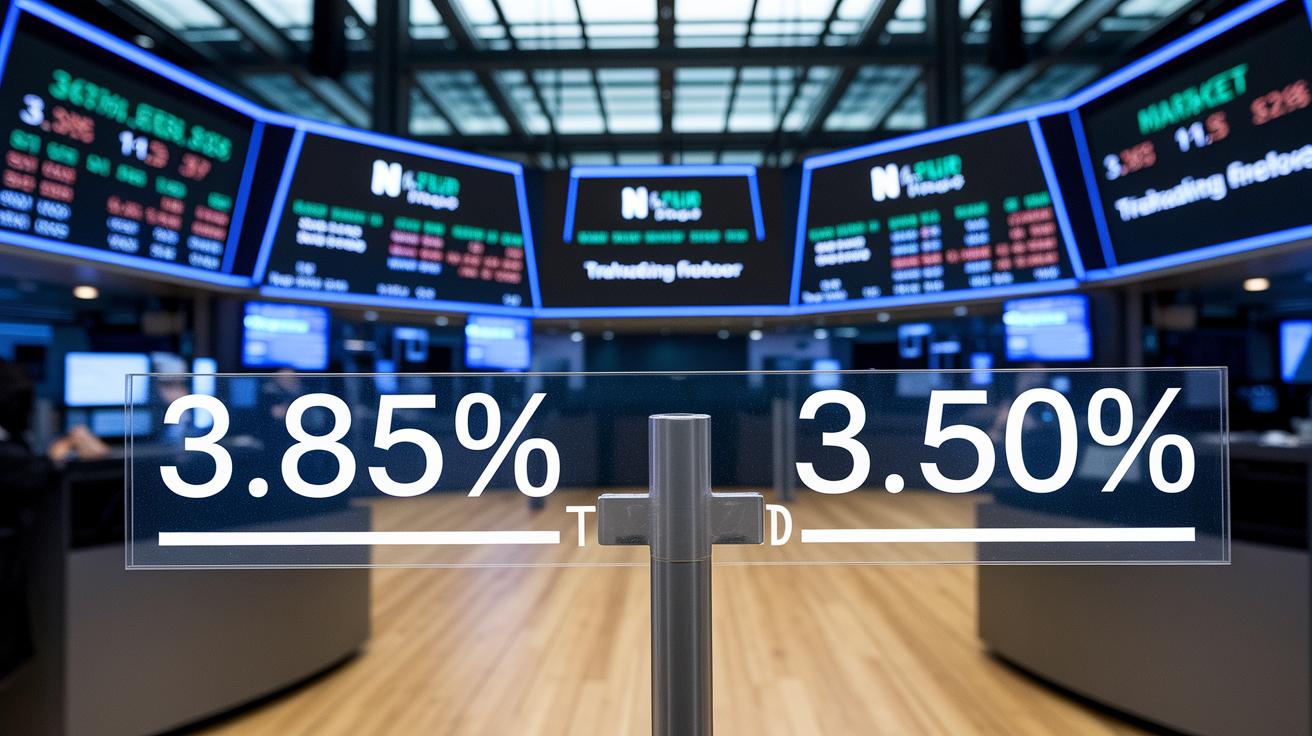
At market close, the 20-year Treasury yield stands at about 3.85% while the 10-year yield is around 3.50%, creating a 35 basis point premium for longer debt. This narrow spread, below the historical average of 60 basis points, indicates investors see steady growth and easing inflation pressures.
• 20-year yield: 3.85% versus 10-year yield: 3.50%
• Spread: ~35 basis points compared to a typical 60 bps
• A tighter spread signals stable growth expectations and lower inflation risk
| Maturity | Current Yield | Spread |
|---|---|---|
| 20-Year | 3.85% | +35 bps |
| 10-Year | 3.50% | 0 bps |
A tighter yield gap like today’s suggests that investors are confident in sustained economic activity. In past instances, yield-curve inversions have warned of downturns, but the current gap reinforces a positive outlook for long-term debt. Traders and advisors will continue to watch for any shifts that might impact monetary policy or signal changing market sentiment.
20 year treasury yield: Optimistic Rate Outlook
Overview of Market-Consensus Forecasting
Market consensus forecasting uses real-time yield and futures data to set a daily median rate for long-term trends. Traders rely on this quick snapshot to adjust portfolios with minimal assumptions.
• Uses live yield figures and futures prices
• Merges current market signals with forward-looking data
• Reflects collective market judgment
Primary Forecast Model
This model blends current yields with futures prices, updating daily to form a clear median rate. Typically, it points to a rate around 4.00%, offering a straightforward view for both investors and policymakers.
• Integrates current yields and future prices
• Refreshes data every day
• Indicates a market consensus near 4.00%
Historical Forecast Vintages
An interactive colored-line chart displays monthly forecast vintages from the earliest to the latest estimates. This tool helps users see how market expectations have shifted over time.
• Visualizes forecast changes with colored lines
• Tracks monthly shifts in market sentiment
• Aids in recognizing evolving expectations
Rolling Prediction Histories
A rolling chart tracks forecast changes for a set target date over time. Updated daily, it gives investors a reliable record of consistency and any key deviations that may influence strategy.
• Monitors forecast evolution for a fixed date
• Updates daily with straightforward data
• Helps investors spot trends and adjust plans quickly
Charting 20 Year Treasury Yield Patterns

The interactive chart tracks 20-year Treasury yields from 1962 to 2026. It shows nominal yields, inflation-adjusted "real" yields, and forecast lines based on market data so you can compare current levels with historical trends.
• Displays nominal yields, real yields, and forecast data
• Lets you toggle legend options to add or remove forecast vintages and rolling-history traces
• Allows selection of specific data series for a focused view on recent or monthly historical yields
The chart also offers overlay options to add trend lines and cycle markers. These tools help identify key turning points and clusters of volatility, enabling investors to better understand yield movements and adjust their strategies accordingly.
Investment Tactics with 20 Year Treasury Yields
A 20-year Treasury bond offers a higher yield, which boosts income but also increases price swings when rates change.
- Generates stronger cash flow over roughly 16 years.
- Reacts more to rate moves, which can lead to noticeable price shifts.
- Laddering bonds helps spread out maturity risk.
- Adding TIPS can protect returns against inflation.
Investors favor these bonds for their attractive income. However, the long duration means even small interest-rate changes can impact prices significantly. Many investors use laddered portfolios to break their bond holdings into segments with different maturities, reducing the risk of a single rate move affecting the entire portfolio. When the yield curve steepens, longer Treasuries capture higher yields; a flatter curve often points to shorter issues being safer.
Adding Treasury Inflation-Protected Securities (TIPS) to the mix offers an extra shield against inflation, helping preserve real returns as rising prices erode nominal gains. This diversified approach balances the draw of higher income with the need to manage market volatility.
Final Words
In the action, this article unpacked real-time data on the 20 year treasury yield, traced its historical trends, and explored key economic drivers shaping its movement.
We broke down forecast models, compared yields, and shared tactical insights to help turn today's numbers into clear trade signals. The analysis turns complex figures into accessible insights for making confident market moves. Keep an eye on fresh data as opportunities continue to emerge.
FAQ
Q: What is a 20 year treasury yield chart?
A: The 20-year treasury yield chart displays both historical and current yield data, helping investors track long-term trends and daily market changes in nominal and real yields.
Q: What is FRED 20 Year Treasury Yield?
A: FRED 20 Year Treasury Yield refers to yield data provided by the Federal Reserve Bank’s FRED database, which offers historical and current measurements for the 20-year Treasury.
Q: What is the 20 year Treasury Bond price?
A: The 20-year Treasury Bond price represents the market value investors pay for the bond, responding to yield fluctuations and reflecting overall demand and prevailing interest rates.
Q: How high will 20 year Treasury yield go?
A: The forecast for the 20-year Treasury yield depends on market dynamics; current models show a median expectation of around 4.00% based on prevailing economic conditions and market inputs.
Q: Why is 20-year Treasury yield so high?
A: The 20-year Treasury yield is high because of market factors such as elevated inflation expectations, Federal Reserve policies, and overall economic growth influencing longer-term interest rates.
Q: What does 20 year treasury yield tradingview show?
A: TradingView provides interactive charts of the 20-year Treasury yield, allowing users to view real-time data, trend analysis, and historical performance with various technical tools.
Q: What is the 20 year treasury yield today?
A: Today’s 20-year Treasury yield stands at approximately 3.85% nominally, with the real yield at about 1.50%, according to the latest market data updated daily.
Q: What is discussed on 20 year treasury yield Reddit?
A: Reddit discussions on the 20-year Treasury yield focus on market analysis, yield trends, investment strategies, and current sentiment among traders and financial enthusiasts.
Q: What is the current 20-year Treasury rate?
A: The current 20-year Treasury rate is approximately 3.85% in nominal terms, with updated figures reflecting live market activity and analyst assessments.
Q: Why is Warren Buffett buying Treasuries?
A: Warren Buffett is buying Treasuries as part of a strategy to balance risk, maintaining safe-haven assets amid market uncertainties while targeting more stable returns.
Q: What is the highest 10 year Treasury yield ever recorded?
A: The highest 10-year Treasury yield was recorded during periods of high inflation and economic stress; historical peaks reached near 15% during times of volatile economic conditions.
Q: What bonds are paying 9% interest?
A: Bonds paying 9% interest generally come from higher-risk issuers or special market conditions, as typical U.S. Treasuries offer much lower yields in comparison to standard benchmark rates.