
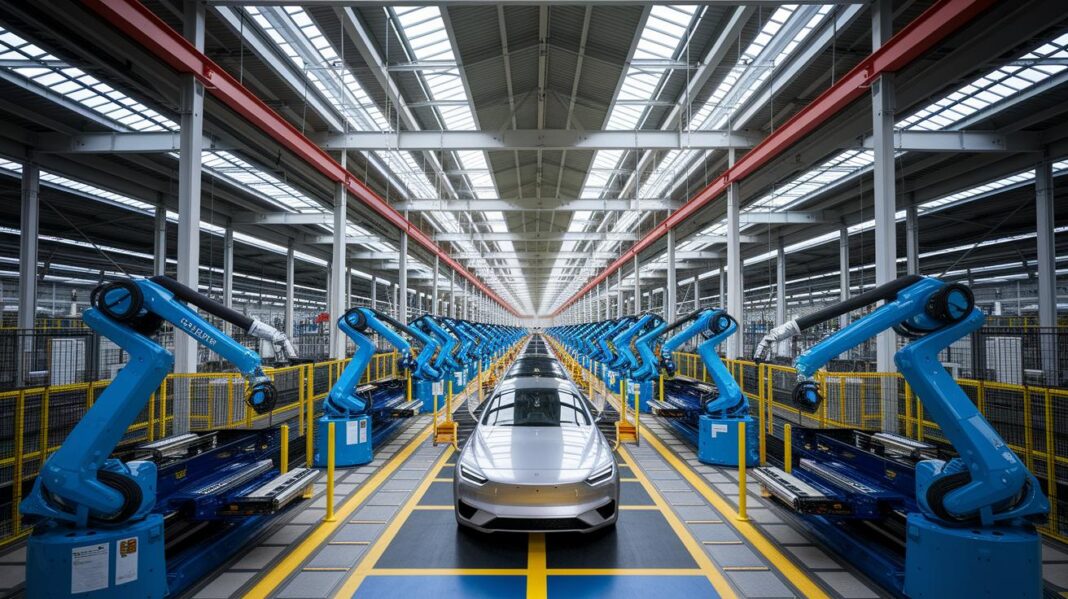

Headline: Auto Makers Shift as Tech and Supply Issues Reshape the Sector
Lede: Rising consumer buying power and ongoing supply issues push auto manufacturers to favor electric and hybrid models over traditional combustion engines.
• Traditional makers adjust production as consumer power grows.
• Supply challenges force rapid tech upgrades.
• Electric and hybrid vehicles now lead market focus.
• These trends open new opportunities for investors and firms.
Auto companies are reworking their strategies in response to stronger consumer finances and persistent supply problems. They are streamlining production by prioritizing modern electric and hybrid designs while reducing emphasis on classic combustion engines. This shift not only addresses industry challenges but also creates fresh chances for investors and innovators alike.
Comprehensive Automotive Sector Performance Review
The automotive sector is shifting fast thanks to new technology and changing consumer habits. Manufacturers now face a market driven more by supply than by demand, giving buyers more bargaining power than ever before.
• Tech advances boost overall market performance.
• Consumers now play a larger role in price and product decisions.
• Ongoing supply chain issues in 2024 continue to challenge production.
• Electric vehicle (EV) and hybrid (HEV) sales are set to drive growth in 2025.
Production challenges are clear. Supply chain disruptions force manufacturers to rethink sourcing and capacity planning. Although exact unit numbers aren’t available, manufacturers are watching national and global sales trends closely. They are also tightening quality controls while evolving their supply chain strategies to keep retail sales steady.
The push toward electric vehicles stands out. Shifts from traditional engines to new EV and HEV technology are changing how the industry measures success. For example, early reports show that using solid-state battery technology can improve safety and energy density. This shows that new tech adoption can translate into better market performance. Manufacturers need to balance innovation with steady production in today’s transforming automotive landscape.
Competitive Landscape and Key Players in the Automotive Sector

Leading auto makers now face tougher competition as changes in consumer habits and tech shake up the market. Some established brands lose market share when local rivals move quickly, and analysts expect Chinese companies to sell more EVs than combustion vehicles by 2025.
• Auto makers shift strategies to contest ride-hailing and car-sharing trends that disrupt traditional ownership.
• Different segments, from luxury to budget and SUVs to trucks, show varied performance.
• Smart, connected vehicles offer customization but also bring privacy issues that impact brand perception.
Global markets differ. In some regions, older brands are losing ground to nimble local players. Elsewhere, legacy makers are adopting digital tech to stay competitive. For example, one top company now uses over-the-air updates across its lineup to boost customer interaction.
Competition now touches every part of the business, from product features to market strategy and production efficiency. Rising consumer bargaining power and changing demand are key factors. Investors are watching global share data and regional trends closely to spot brands best positioned in the evolving auto sector.
Automotive Sector Analysis: Bold Trends Ahead
Electrification drives change in automotive design. Manufacturers invest in electric and hybrid models using solid-state batteries that deliver more energy, better safety, and lower costs than traditional lithium-ion cells.
• Solid-state batteries boost efficiency and cut costs.
• Electrification transforms vehicle powertrains.
• New models open paths for performance improvements.
Software-defined vehicles are on the rise. Partnerships, like Honda working with cloud providers, let cars receive over-the-air updates for key systems such as braking, steering, and infotainment. This means vehicles can stay current with regular software upgrades.
• Over-the-air updates keep vehicles competitive.
• Software-defined systems improve safety and functionality.
Autonomous driving technology is advancing. Current models reach Level 3 (conditional automation) while some hit Level 4 (high automation), paving the way for better road safety and efficiency even if full autonomy is not yet widespread.
• Levels 3 and 4 autonomy mark key progress.
• Advances promise improved safety and operational efficiency.
Connected mobility grows with 5G integration, enabling real-time communication between vehicles and infrastructure. This high-speed data exchange will enhance traffic management and overall network safety.
• 5G improves communication for faster data delivery.
• Enhanced connectivity boosts traffic management and safety.
Production methods are also evolving. Techniques like 3D printing, along with VR/AR, speed up parts manufacturing and training. Meanwhile, Mobility-as-a-Service models use digital connectivity to offer consumers new transport options.
• New production methods cut manufacturing time.
• Digital connectivity reshapes consumer transportation options.
Electric vehicles boosted by solid-state batteries could redefine cost efficiency, much like early mobile phones changed communication.
Regulatory and Environmental Trends in the Automotive Sector
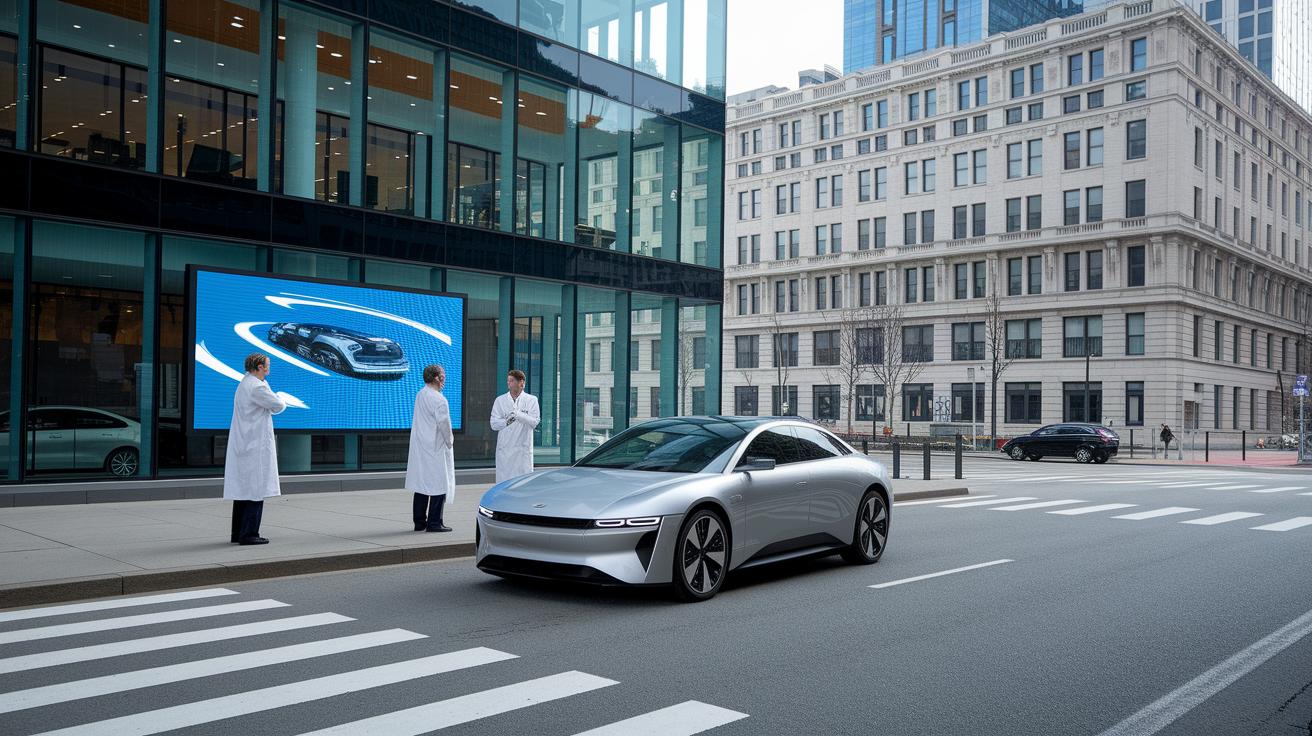
New EU rules are reshaping how vehicles are built and sold. The EU’s 2024 General Safety Regulation now requires every new vehicle to feature advanced driver-assistance systems, driving automakers to upgrade safety measures to protect drivers and passengers.
• Automakers must redesign vehicles to meet strict safety standards.
• After 2035, vehicles with zero greenhouse gas emissions can use e-fuels like e-kerosene, e-methane, and e-methanol.
• Tougher emissions rules are pushing dealers to move older internal-combustion models off the lot.
• Companies are shifting portfolios with stronger sustainability plans and tighter CO₂ targets.
Lawmakers are setting clear emissions benchmarks while manufacturers are shifting to cleaner powertrains and adding advanced safety systems. These moves not only boost safety but also ensure competitive market positioning as firms invest in sustainable technology and adjust production methods.
Consumer Demand Dynamics and Segment Analysis in the Automotive Sector
Ride-hailing and car-sharing models are pushing buyers toward flexible mobility options over owning a vehicle.
• Ride-hailing users are shaping how automakers set features and pricing.
• In cities, electric and hybrid models are taking off, while suburban buyers stick with conventional engines.
• SUVs are selling more than sedans, thanks to safety and versatility.
• Budget buyers lean toward affordable models, whereas premium buyers in established markets look for advanced features.
• More tech-savvy buyers are using digital sales channels and aftermarket platforms for a smoother, online-first buying experience.
Automakers must adjust to these shifts. One manufacturer saw a boost in online engagement after launching its virtual showroom, highlighting the rising role of digital channels. These trends push brands to rethink their product mix, pricing, and marketing to meet evolving consumer needs in both traditional and modern buying formats.
Supply Chain and Manufacturing Trends Shaping the Automotive Sector
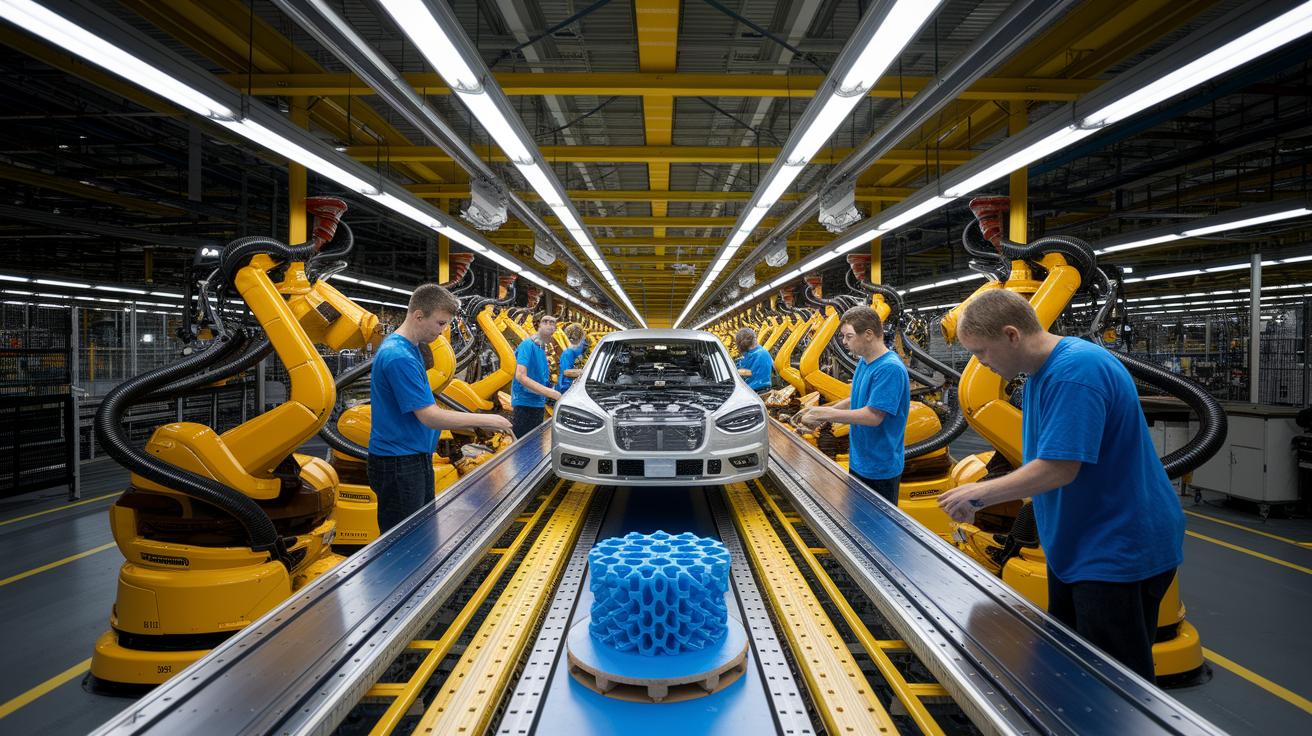
OEMs adjust their production tactics amid ongoing supply challenges. Persistent disruptions in 2024 have pushed auto makers to diversify sourcing and build greater production resilience.
• OEMs broaden their sourcing strategies to counter supply issues.
• Automation and robotics keep assembly lines running smoothly.
• 3D printing now supports on-demand parts manufacturing.
• New inventory controls improve capacity amid fluctuating supplies.
• Updated quality checks ensure parts and vehicles meet strict standards.
Auto makers now integrate high-tech assembly lines with robotics to maintain output when traditional supply routes falter. They are also adopting 3D printing to tackle inventory shortages quickly. Enhanced inventory systems help manage shifting component availability while updated quality protocols keep production standards high. These changes help firms meet market demand and could provide a key competitive edge in the evolving automotive sector.
Future Outlook and Forecast for the Automotive Sector
Regional forecasts show a shifting terrain in the automotive sector. Local investments, tech developments, and supply chain adjustments are driving new growth trends beyond standard electrification and hybrid models.
• In Europe, fast-charging network investments could rise by about 20% over the next five years, boosting local EV uptake.
• Original equipment manufacturers (OEMs) may form alliances with tech companies to tackle growing cybersecurity issues in advanced autonomous systems.
• Ongoing supply chain challenges for key battery components might push up production costs and alter planning strategies.
• Varying regional regulations could force manufacturers to tailor their technology to meet local safety and data rules.
Meanwhile, Chinese OEMs continue to lead in volume while Europe and North America shift focus toward enhanced after-sales service and digital vehicle platforms, moves that could reshape competitive dynamics and influence investor strategies.
Final Words
In the action, we examined the current pulse of the automotive sector through dynamic growth, competitive shifts, technological trends, regulatory changes, evolving consumer demand, and manufacturing adjustments. Our analysis detailed how supply challenges, electrification, and policy shifts shape market stability. Each segment of the review contributes to a robust automotive sector analysis, highlighting key trends for a strategic market play. The outlook remains optimistic as technology and resilience drive stronger market opportunities ahead.
FAQ
What does an automotive industry report cover?
An automotive industry report covers sector performance, competitive landscape, technological innovations, and regulatory trends, offering data‐driven insights for understanding market dynamics and informing investment decisions.
What is the global automotive industry outlook?
The global automotive industry outlook outlines worldwide trends in vehicle production, electrification, competitive shifts, and consumer behavior to help stakeholders gauge future market developments.
What do global automotive industry statistics reveal?
Global automotive industry statistics reveal key metrics such as market size, production rates, segment growth, and consumer demand, enabling a clear assessment of industry strength and challenges.
What are U.S. automotive industry statistics?
U.S. automotive industry statistics provide insights into domestic sales, production volumes, consumer preferences, and technological advancements, guiding investors on market conditions within the United States.
How are consumer trends shaping the automotive industry?
Consumer trends are shaping the automotive industry by driving demand for EVs, ride-hailing, and digital sales channels, which in turn influence vehicle design, marketing strategies, and production focus.
What trends will define the automotive industry in 2025?
The automotive industry in 2025 will see heightened electrification, increased EV and HEV adoption, advancements in autonomous and connected technologies, and stronger supply chain resilience impacting production stability.
What are the key trends in today’s automotive industry?
Key trends in today’s automotive industry include rapid innovation in electrification, shifts toward software‐defined vehicles, growing digital consumer engagement, and evolving competitive pressures from emerging mobility concepts.