

Tokenization Opens New Investment Doors
Digital tokens now let investors buy fractions of physical assets like real estate and art, cutting paperwork and fees.
• Investors access high-value assets at lower costs.
• Tokenization offers fractional ownership, increasing liquidity.
• Reduced intermediaries streamline the buying process.
By converting traditional assets into digital tokens, investors can enter markets with smaller amounts of capital and avoid lengthy administrative hurdles. This simple blend of established value and modern technology is reshaping how investments are made, making it easier and more affordable to own a piece of expensive assets.
How Real World Assets Crypto Tokenization Works
Tokenization turns physical assets like real estate, precious metals, fine art, and more into digital tokens using blockchain. These tokens work like casino chips or concert tickets, letting investors buy a fraction of an asset instead of the whole thing. This process cuts out a lot of paperwork and middlemen, making high-value assets more accessible.
• Experts first assess the asset’s market value.
• A legal framework is set up to define ownership rights.
• A smart contract mints the token by locking in these terms.
• The token is issued on the blockchain, allowing for later trading and liquidity.
Investment funds are also adopting this approach, using tokens to represent shares or units in a fund. This helps traditional financial products move into the digital world, making them accessible to investors around the globe.
Benefits and Risks of Real World Assets Crypto Investments
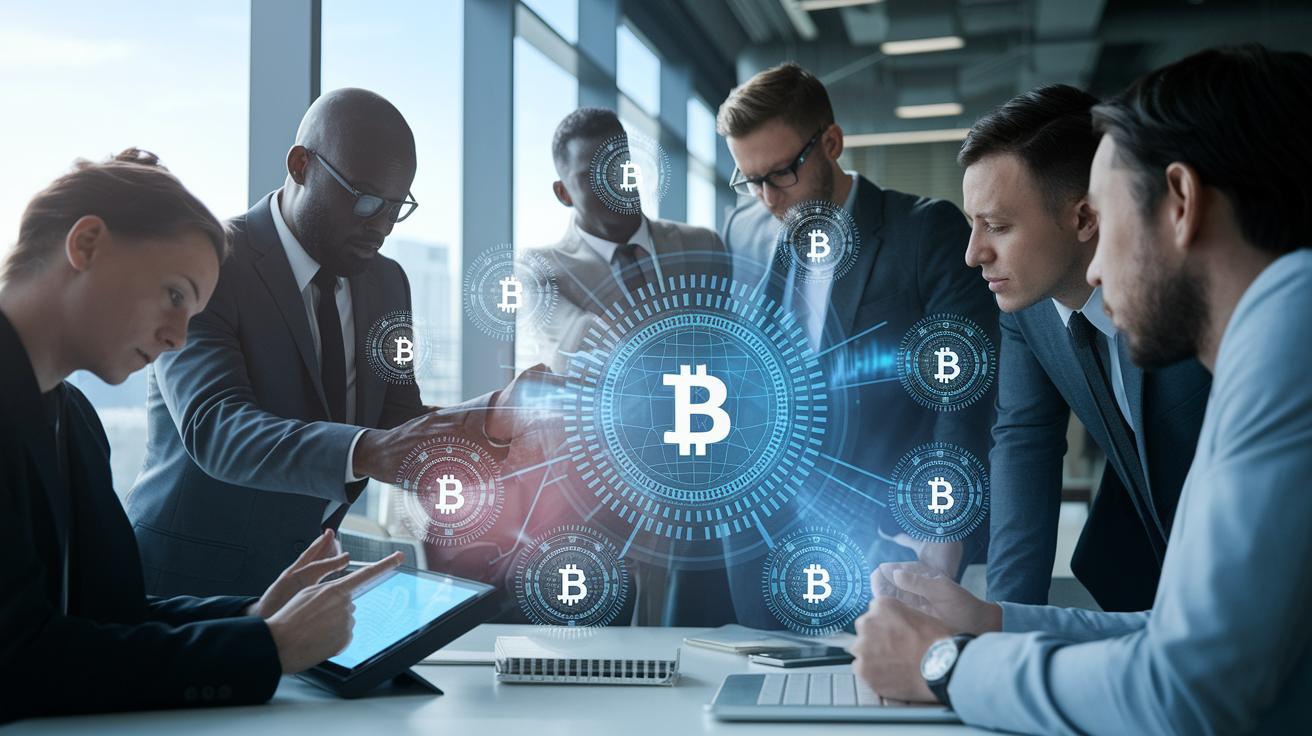
Tokenizing physical or financial assets into digital tokens makes investing faster and more accessible. This process allows investors to own parts of assets instead of needing full amounts, helping them build diverse portfolios with smaller amounts of money. Quick settlements and transparent records boost appeal among both everyday investors and large institutions.
- Reduced paperwork and fewer middlemen improve operations.
- Blockchain transactions settle quickly.
- Global access brings in a wide range of investors.
- Fractional tokens open high-value opportunities to more people.
At the same time, these digital assets come with challenges. Legal rules and regulatory guidance are still being developed, which can lead to uncertainty about asset ownership and enforceability of smart contracts. Internationally, differences in regulation and potential security flaws in the protocols may affect liquidity and stability.
- Evolving legal standards can obscure clear asset ownership.
- Smart contract enforcement may be inconsistent.
- Varying international rules complicate cross-border investments.
- Security vulnerabilities could disrupt market liquidity.
Investors must perform thorough due diligence before jumping in. Look for platforms that regularly audit protocols and use strong security measures, such as verified smart contracts and multiple layers of defense. Staying updated on compliance and regulatory changes is key to managing risk while exploring these innovative investment options.
Real World Assets Crypto Platforms and Protocols Comparison
Crypto platforms for real world asset tokenization are evaluated on security, liquidity, token standards, and compliance. Investors need systems with verified smart contracts, solid data feeds, and tokens that follow industry rules.
• Security protects high-value assets with thorough smart contract checks.
• Liquidity services support smooth trading on decentralized exchanges (DEXs).
• Compliance features ensure platforms meet regulatory standards.
| Platform | Token Type | Primary Use |
|---|---|---|
| Chainlink | Blockchain Oracle | Reliable off-chain data feeds |
| Ondo Finance | Liquidity Token | Liquidity-as-a-service and DEX trading |
| Algorand | ASA Token | Issuing custom tokens via blockchain standards |
| MakerDAO | Stablecoin/Collateral | Collateral-backed loans using stablecoin models |
| Pendle | DeFi Yield Token | Access to yields from DeFi protocols |
Platforms are designed as either regulated or permissionless systems. Regulated platforms come with strict compliance features and audited smart contracts that suit institutional investors looking for predictable legal settings. In contrast, permissionless systems allow faster deployment and spur innovation, which many retail investors appreciate despite higher risks.
Investors should weigh each platform’s governance and regulatory controls against their own risk tolerance and strategic needs. Choosing the right platform can unlock meaningful opportunities in the evolving digital asset market.
Tokenized Real Estate and Commodities in Crypto

Digital tokens are changing the way we invest in real estate and commodities by breaking large assets into smaller, tradeable parts. This shift gives investors access to markets that were once difficult to enter.
• Real estate tokens let you own fractions of property, lowering entry costs.
• Platforms like Propy and RealT turn whole properties into blockchain tokens for easier trading.
• Tokenized commodities use physical reserves, such as gold or silver, backing digital tokens to simplify exposure without storage hassles.
• A case study with BlackRock-supported BUIDL money market fund shows tokenized U.S. Treasury bonds offering faster settlements and more transparent trading.
• Automated income streams and round-the-clock market access provide steady dividends and continuous trading opportunities.
These digital models reduce barriers, making high-value investments more accessible through blockchain’s speed and transparency.
Regulatory Landscape for Real World Assets Crypto
U.S. and global regulators are testing new frameworks to bridge traditional finance with blockchain technology. Key agencies are running controlled programs to safely experiment with tokenized assets.
- In the U.S., the SEC is piloting sandbox programs for blockchain asset oversight.
- In the U.K. and E.U., the FCA and ESMA have launched pilot regimes for token innovations.
- Regulators and industry players are forming working groups to standardize rules, addressing issues like asset title and smart contract enforceability.
- A December 17, 2025 advisory stresses proactive compliance as upcoming rule changes aim to boost market confidence.
Regulators are tackling legal hurdles to ensure that digital asset innovations do not compromise investor protection or market stability. With clearer guidelines on the horizon, investors and issuers can expect a more predictable framework for navigating the token economy.
Market Trends and Investment Strategies in Real World Assets Crypto

Institutions like asset managers and pension funds are adding tokenized real estate and credit to their digital strategies. Retail investors, meanwhile, are buying fractional shares of pricey assets that were once out of reach.
• Institutions target steady income and better diversification.
• Retail investors now access markets previously closed off to them.
• Tokenization merges traditional investment ideas with digital speed and transparency.
Platforms such as Pendle let investors earn yields from tokenized real estate and commodity-backed tokens. These setups mix on-chain data and off-chain collateral to create products that deliver regular returns. A typical fund may distribute scheduled dividends while using blockchain’s clear records to verify its assets.
A balanced asset mix that includes tokenized real estate, commodity tokens, and stablecoins proves effective for managing risk. This strategy reduces volatility by pairing income sources with assets that offer liquidity and stability. Both institutional and retail investors can use these methods to build portfolios designed for growth and steady income.
Challenges and Solutions in Real World Assets Crypto Tokenization
Technical hurdles remain as physical assets are converted into secure digital tokens. Unstable oracle feeds risk distorting asset values, while incomplete smart contract audits leave gaps for potential breaches. Heavy network traffic can delay transactions and make settlement times unpredictable.
• Oracle glitches can skew asset valuations.
• Inadequate audits expose contract vulnerabilities.
• Network congestion causes transaction delays.
• New compliance tools and regulatory trials aim to standardize tokenization.
Experts propose four key solutions:
- Deploy robust oracle networks that deliver precise, real-time data.
- Use multi-signature escrow and secure custody systems to protect off-chain asset holdings.
- Combine third-party audits with layered security protocols to verify smart contract integrity.
- Integrate standardized compliance APIs within pilot regulatory programs to ensure consistent practices.
Developers are actively testing protocols and engaging with regulators to refine these systems. Routine audits and ongoing improvements are building a more resilient framework for secure asset token management. By maintaining regular feedback with industry stakeholders, this evolving model promises greater transparency and operational efficiency in the digital asset landscape.
Final Words
In the action, we broke down how tokenization converts physical assets into digital tokens and streamlined the process from valuation to issuance.
The post highlighted key benefits, potential risks, and the evolving regulatory framework shaping crypto investments.
We also compared leading asset platforms and showcased market strategies that combine yield and liquidity.
This exploration of real world assets crypto underscores a dynamic environment where clear understanding of technical and legal checkpoints can guide tradeable decisions.
We see plenty of positive momentum as investors tap into fresh opportunities.
FAQ
Q: What are some popular real-world assets crypto projects and coins?
A: The question points to projects that convert tangible assets into tokens. Notable platforms include those built on Chainlink, MakerDAO, and Ondo Finance, which enable real estate, art, and commodities to enter the crypto market.
Q: What is a real world asset (RWA) in crypto?
A: The term real world asset in crypto means a tangible item such as real estate, art, or commodities that is tokenized on a blockchain, allowing for fractional ownership and easier trading.
Q: What is real-world assets tokenization?
A: Real-world assets tokenization refers to the process of converting physical assets into digital tokens using blockchain. This method increases liquidity and simplifies trading while lowering entry barriers for investors.
Q: How is BlackRock involved with real-world assets?
A: BlackRock’s involvement indicates its strategy to blend traditional asset management with digital token projects. Its backing showcases growing institutional confidence in integrating real-world assets into crypto investment frameworks.
Q: What is a real-world assets protocol?
A: A real-world assets protocol is a blockchain system that defines how digital tokens representing physical assets are created, issued, and managed through smart contracts and legal frameworks.
Q: Which crypto coins represent real-world assets and are they good investments?
A: Crypto coins representing real-world assets differ by tokenization method, liquidity, and regulatory compliance. Investors should research each coin’s fundamentals, market risks, and due diligence details before investing.