


Currency Volatility Drivers Explained
Currency values can change quickly due to economic shifts.
• Inflation rises can pressure currencies.
• Shifts in interest rates affect exchange rates.
• Sudden political events may move the markets.
We break down these factors to show you why currencies move up or down. Knowing these drivers helps you better read market signals and adjust your strategies.
Core Drivers of Currency Volatility
Exchange rates show how much one currency is worth against another. Rapid shifts in these rates usually come from changes in economic and political conditions. For example, when inflation rises sharply, a country’s goods become relatively more expensive, and its currency tends to weaken.
• Inflation erodes purchasing power, lowering a currency’s value.
• Interest rate differences shift capital flows as investors chase better returns.
• Economic slowdowns or recessions decrease confidence, reducing demand for a currency.
• Political events, like elections, policy shifts, or unrest, can spark uncertainty, triggering sudden drops.
• Speculative trading, including strategies like carry trades, adds to short-term volatility.
• Additional factors, such as trade balances and high government debt, also influence exchange rates.
These factors work together and can change quickly, meaning even small shifts in one area can have a significant impact on global currency values. Keeping an eye on these drivers helps investors, traders, and advisors understand and act on market moves.
Macroeconomic Factors Behind Exchange Fluctuation Analysis

Inflation and Price Level Adjustments
When the consumer-price index jumps, like a 7% rise in the U.S. in 2022, it often weakens a currency. Higher inflation cuts purchasing power and forces central banks to raise rates to fight falling currency values. A 5% annual inflation rise has often led to noticeable drops in currency value as traders expect tighter monetary policy.
- Inflation erodes buying power.
- Central banks may hike rates to slow the drop.
- Markets react quickly to a spike in inflation.
Interest Rates and Interest Shock Effects
Central banks adjust interest rates to steer money flows. A 50 basis point rate increase can push a currency up by 1–2% as investors jump into carry trades. During the Fed’s rate hikes from 2022 to 2023, the U.S. dollar strengthened as global funds looked for reliable returns.
- A 50 bps hike can boost a currency by 1–2%.
- Higher rates attract carry trades.
- The Fed rate hikes helped fortify the U.S. dollar.
Monetary Policy and Monetary Easing Consequences
Loose monetary policy, like Europe’s quantitative easing from 2020 to 2022, can shift exchange rates. The ECB’s €2.6 trillion asset-purchase program increased money supply and weakened the euro against major currencies. More money in circulation means each unit is worth a bit less, impacting FX markets.
- Quantitative easing floods the market with cash.
- Large asset purchases lower a currency’s value.
- The ECB’s program led to euro depreciation.
Bank Policy Influences on Liquidity Supply Transition
Changes in bank policies, such as reserve requirements and overnight lending rates, directly affect liquidity. When banks adjust their available money, borrowing costs adjust too, and traders quickly reposition their currency holdings.
- Reserve tweaks change available bank funds.
- Shifts in overnight rates impact short-term borrowing.
- Immediate FX moves can follow these adjustments.
| Factor | Mechanism | Historical Example |
|---|---|---|
| Inflation | Lowers purchasing power | 1960s U.S. dollar declines |
| Interest Rates | Directs capital flows | 1994 Fed hike & USD rally |
| QE | Increases money supply | 2013 “Taper Tantrum” |
| Liquidity Policy | Alters bank reserves | 2008 Libor spike |
Political Risk Assessments and Government Fiscal Shifts in Currency Variability
Election Outcomes and Policy Shocks
Election results often drive quick swings in the forex market. For example, the Brexit vote pushed GBP/USD down 10% over two months as uncertainty grew, and the 2020 U.S. election unsettled investors, sparking notable moves in USD and emerging markets. Traders frequently adjust FX positions fast when election outcomes defy expectations.
• Brexit vote: GBP/USD slid 10% in two months
• 2020 U.S. election: Spurred sharp USD and emerging market moves
• Quick risk reassessment led to rapid FX position shifts
Regulatory Uncertainty and Legislative Changes
When legal frameworks seem unstable, the regulatory uncertainty index tends to rise, often from 40 to 55, which can coincide with around a 2% change in exchange rates. Trade talks, such as those over US-China tariffs, have swayed pairs like CNH and CAD. Market participants stay alert as legislative debates add an element of unpredictability.
• Uncertainty index jump (40 to 55) can drive about a 2% FX move
• US-China tariff talks affecting CNH and CAD
• Shifting policies force traders to adapt their expectations
Fiscal Deficits and Government Debt
Large fiscal deficits and fresh debt issues can tilt currency values. Italy’s 2018 budget standoff, for instance, widened yield spreads and weakened the euro. High sovereign-debt levels signal an increased risk premium, prompting traders to factor in a potential rise in currency supply as fiscal pressures mount.
• Significant deficits prompt adjustments in currency valuations
• Italy’s 2018 standoff contributed to euro weakness
• Higher debt levels boost risk premiums and volatility in FX markets
Speculative Position Dynamics and Investor Trading Patterns Driving Volatility
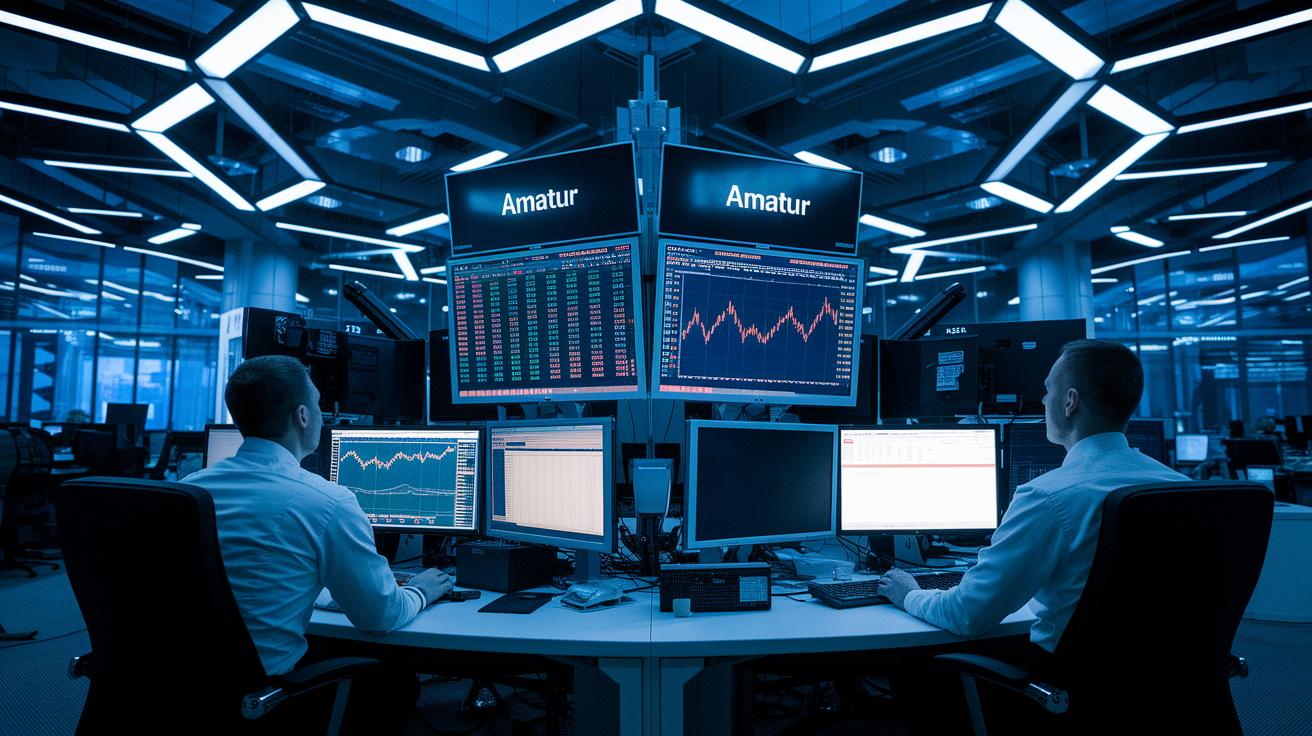
Trader actions can intensify market moves and spark quick currency swings. Unwinding carry trades pushed the Japanese yen higher in 2013. A shift of 50,000 contracts in CFTC net-long positions can signal about a 1% move in FX rates. When the price falls below the 200-day moving average, automated trading systems respond immediately.
- Carry-trade unwinding
- Momentum-based algorithmic trading
- Options gamma hedging
- Flight to safe havens
- Automated flash-crash selling
- Macro hedge-fund rebalancing
These behaviors lead to sudden, short-lived bursts of volatility. As traders react to both technical triggers and broader economic news, small shifts can quickly evolve into larger moves. This highlights the significant influence of investor strategies on market trends.
Trade Balance Dislocations and Commodity Demand Surprises Impacting Exchange Rates
Trade imbalances and shifting commodity prices are driving frequent swings in currency values. When a country’s imports exceed its exports, it creates a current account deficit that pushes down the currency by flooding the market with domestic money. For instance, Turkey’s current account deficit reached 6% of GDP in 2022, forcing the lira lower as more foreign currency was needed for imports.
A similar story unfolded in 2020 when a 10% rise in Russia’s steel import bill led investors to rebalance positions, weakening the ruble amid concerns over domestic versus foreign sourcing.
Unexpected turns in commodity demand can quickly affect trade terms. An oil price surge, for example, bolstered Canada’s commodity exports, which improved its trade balance and strengthened the Canadian dollar. This suggests that a positive export outlook can help a currency firm up.
In short, disruptions in trade flows and sudden changes in commodity demand prompt fast adjustments in currency values. Investors and traders should keep an eye on these factors as they directly impact market sentiment and trading strategies.
Financial Crisis Triggers and External Disruption Factors in Currency Swings

A global financial crisis or sudden shock can quickly change currency values. In 2008, Lehman Brothers fell, sparking a liquidity crunch that drove investors to the U.S. dollar and lifted its value by roughly 15%. This shift shows how markets rush to safe assets when risk climbs.
• In 2008, the Lehman collapse pushed the USD up about 15% as liquidity dried up.
• In 1997, the Asian crisis hit, with some currencies falling nearly 50% as effects spread from Thailand to neighboring markets.
• A LIBOR–OIS spread over 50 basis points often warns of tightening credit that can force investors toward safer currencies.
These events prove that during financial stress, traders react fast. When credit tightens, investors pull back from risky assets and switch to more stable ones. This pattern of sudden moves is a reminder to watch key credit and liquidity signals for early clues about market shifts.
Instability Prediction Models and Hedge Strategy Evaluation for Managing Global Rate Variability
Econometric models like GARCH and VAR give traders clear risk signals by forecasting volatility clusters in currency pairs. For example, a GARCH(1,1) model shows that the EUR/USD 5-day sigma is about 1.2%, providing a quick, quantifiable risk gauge.
• Models such as GARCH and VAR identify volatility clusters.
• Machine-learning tools, like random forests, flag FX turning points with roughly 60% accuracy.
• Traders and businesses use hedging tools, forward contracts, currency options, and swaps, to lock in rates for 6–12 months.
• A forward-cover cost of about 0.5% usually reflects the extra premium for hedging currency risk.
By blending these forecasting models with structured hedging tactics, market players can set up proactive risk management strategies and better brace for unexpected currency fluctuations.
Final Words
In the action, the post cut through complex drivers of currency moves, from inflation and interest rates to political shifts and speculative trades, highlighting how each element steers exchange dynamics.
We saw how trade imbalances, financial crises, and hedging tactics shape market moves with real examples.
This analysis makes clear what causes currency volatility and offers investors a solid basis to assess risk and spot opportunities going forward.
FAQ
What is a currency fluctuation example?
A currency fluctuation example shows how economic events—like shifts in monetary policy or political changes—change the exchange rate and affect the price when converting one currency to another.
What causes currency fluctuations and exchange rate volatility?
Currency fluctuations and exchange rate volatility arise from differences in interest rates, inflation, political events, trade imbalances, and speculative trading, all of which influence investor confidence and market dynamics.
What happens when exchange rates increase?
When exchange rates increase, the domestic currency strengthens, making exports relatively more expensive and imports cheaper, which can alter profit margins and competitive positioning in international business.
How do currency fluctuations impact international trade and business?
Currency fluctuations affect international trade by changing the cost of imports and exports, influencing pricing strategies, profit margins, and overall competitiveness in global markets.
What makes a currency volatile?
A currency becomes volatile due to a mix of economic indicators, market speculation, political uncertainty, and investor sentiment, all of which can rapidly change its perceived value.
Why does Trump favor a weaker dollar?
The preference for a weaker dollar, as highlighted by Trump, is based on the belief that lower currency strength boosts exports by making domestic goods cheaper abroad, which can stimulate economic growth.
What do current currency fluctuation news and trends indicate today?
Current currency fluctuation news reflects rapid market responses to economic data, global events, and policy shifts, offering insights into short-term exchange rate movements vital for trade and investment decisions.