


Central Banks Use Yield Curve Control to Cap Rates
Central banks are using yield curve control to cap bond yields, helping stabilize borrowing costs and boost confidence in the economy.
• The tool sets a limit on bond yields by buying bonds when rates rise.
• It offers a fresh alternative to quantitative easing by directly managing long-term rates.
• Yield curve control may help borrowers by keeping borrowing costs in check.
Central banks step in to buy bonds once yields cross a preset cap. This action keeps long-term rates steady and signals that they back a strong economy. By focusing directly on bond yields, this approach may support market stability and lower borrowing costs amid riskier times. Investors will want to follow how well this policy manages rate pressures and its impact on debt markets.
Understanding Yield Curve Control: Definition and Mechanism
Yield curve control is a tool used by central banks to keep long-term bond yields on target. They want longer-term rates to stay higher than short-term ones, which signals a healthy economy.
• Central banks set a fixed yield cap.
• They buy bonds when yields go above this cap to push rates down.
• This action keeps borrowing costs steady and supports market stability.
Central banks adjust short-term rates every day and step in when long-term yields rise too much. This approach not only signals confidence in the economy but also directly stabilizes rates for borrowers and investors.
Yield Curve Control vs Quantitative Easing: Key Differences
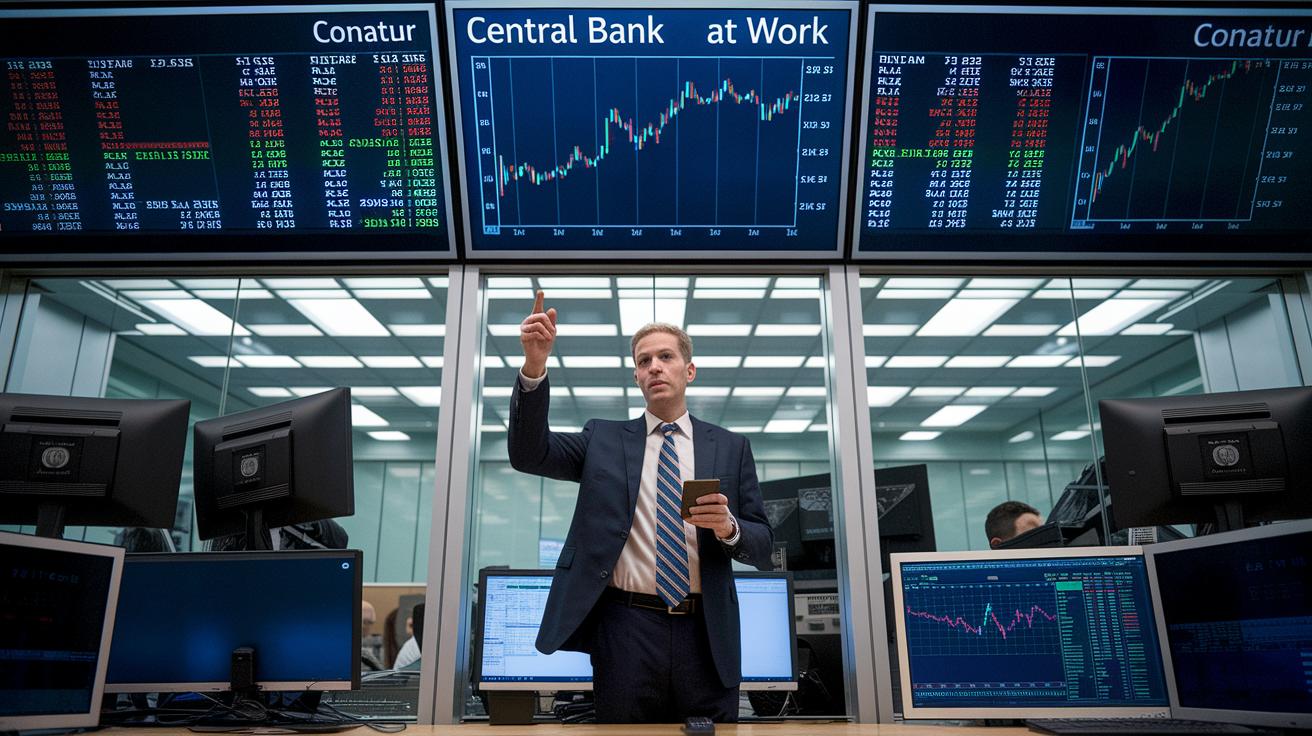
Quantitative easing (QE) means the central bank buys a set amount of bonds to lower yields by increasing the volume of assets. In contrast, yield curve control (YCC) commits to buying as many bonds as needed until yields reach a specific target.
• QE uses fixed bond purchases to nudge yields down gradually.
• YCC adjusts purchase amounts to directly set yield levels.
• The two methods change market balance sheets and expectations in different ways.
For example, in 1942 the Fed capped short-term rates at 0.375% and 10-year Treasuries at 2.5%. This shows how YCC focuses on directly controlling yields, unlike QE which works by changing bond volumes. Both strategies offer distinct ways to manage borrowing costs and stabilize the market.
Implementation of Yield Curve Control: Central Bank Case Studies
Central banks use yield curve control to keep bond yields stable. They set target rates and jump in with bond purchases if yields move beyond a narrow range.
- The Bank of Japan started this in September 2016. It set 10-year JGB yields at 0% ± 0.1% and buys bonds when rates stray.
- Australia's Reserve Bank acted during the COVID-19 crisis. In March 2020, it capped 3-year yields near 0.1% to prevent rising borrowing costs.
- In 1942, the U.S. Federal Reserve limited short-term rates to 0.375% and 10-year yields to 2.5% during wartime to control market disruptions.
- The European Central Bank is still reviewing similar measures.
These examples show that yield curve control helps managers keep long-term rates in check, providing stability in uncertain market conditions.
Yield Curve Control: A Promising Policy Insight

Central banks use yield curve control (YCC) to set explicit yield limits on government bonds. They step in to buy bonds when prices drop, keeping the yield curve upward sloping and cutting market swings. This strategy compresses yield spreads on sovereign debt and shapes how analysts view bond curves.
• YCC cuts volatility and can boost stock market confidence.
• Fixed yield targets help clarify bond pricing and stabilize market expectations.
• Enforced price levels may hide true credit signals, making yield forecasts tougher.
When a central bank sticks to its target rate, it acts like a safety net for the market. Investors see a steady bond market as a sign of security, which can raise stock valuations, although fixed income traders might struggle because common credit indicators get blurred.
By directly controlling bond yields, YCC keeps market rates aligned with central bank goals. The bond curve then appears stable, even if emerging credit risks are hidden. Analysts note that while equities benefit from better sentiment, bond markets may face distorted signals for risk assessment.
Overall, YCC offers market stability and predictable yields, but traders should remain cautious as fixed pricing can obscure key credit signals.
Assessing Risks and Criticisms of Yield Curve Control
Yield curve control sets fixed targets for government bond yields to help keep markets steady. However, critics warn that its benefits may not hold up in tough economic times.
• Yield curve control has little history during deep recessions.
• Fixed yields might force interest rates to stay low or even negative if inflation outpaces the cap.
• Keeping yields low can hide true credit risks and may slow central banks from reacting quickly in a downturn.
One concern is that this policy is untested in long economic slumps. If inflation rises and yields remain fixed, real returns on interest income could drop sharply for investors.
Critics also point out that by suppressing yields, central banks might obscure underlying credit risks. This could distort market signals and reduce the clarity of credit information. Furthermore, sticking rigidly to target rates may leave policymakers less room to adjust strategies during significant economic shifts.
These issues suggest that while yield curve control can bring stability, it might not offer enough flexibility when conditions change rapidly. Policymakers should be cautious about potential inflationary pressures and hidden credit risks.
Investment Strategies Amid Yield Curve Control

Central banks are capping long-term bond yields, which means investors, especially those relying on bond income, could see lower returns. This environment urges a closer look at how portfolios are built.
- Bond yields are compressed, reducing traditional fixed-income returns.
- Precious metals, like gold and silver, offer a liquid, cost-effective hedge.
- Digital assets provide an additional layer of yield diversification despite unique risks.
Investors should consider adjusting their portfolios. With yield curve control in place, pensioners and others may not get the income they expect from bonds. A modest allocation to precious metals can help offset lower yields. In addition, digital assets are emerging as a modern complement to conventional investments. For example, during the pandemic, portfolios that included both digital assets and gold often delivered steadier performance than those solely based on fixed income.
Regular portfolio reviews are essential. As central bank policies evolve, staying proactive and rebalancing asset allocations can help manage risk in a low-yield environment.
Future Outlook for Yield Curve Control in Global Policy
Fed officials kept interest rates near zero on March 17, raising the possibility that U.S. policymakers may adopt yield curve control to manage borrowing costs. This policy tool could change how banks set rates if central banks use it, especially as global monetary trends evolve.
• Fed officials maintained near-zero rates at the March 17 meeting.
• Central banks might use yield curve control to influence borrowing costs amid shifting global money policies.
• As major stimulus steps back, markets may gradually return to normal, affecting the pace of policy changes.
• Policymakers face challenges balancing debt sustainability with rising inflation while stress tests examine new measures.
Central banks will determine their next moves based on how well markets withstand risk, adapt to change, and meet the dual goals of recovery and stability.
Final Words
In the action, we uncovered how yield curve control guides central banks in stabilizing short- and long-term rates. We broke down its definition, real-world applications, and key differences from quantitative easing. We also examined market responses, potential risks, and investment strategies amid evolving monetary tactics. Yield curve control stands as a crucial tool for managing economic pressures while offering investors clear signals. Positive market shifts and strategic adjustments may lie ahead as these policies continue to evolve.
FAQ
Q: What is U.S. yield curve control?
A: U.S. yield curve control means a central bank strategy that sets cap rates on longer-term bonds, similar to historical measures, and is frequently discussed in forums exploring its implications.
Q: What is the difference between yield curve control and quantitative easing?
A: The distinction lies in approach; yield curve control uses unlimited bond purchases to pin yields at target levels, while quantitative easing buys a set volume of assets to broadly lower bond yields.
Q: What controls the long end of the yield curve?
A: The long end of the yield curve is managed by central bank bond purchases that establish yield targets, effectively influencing long-term interest rates through market intervention.
Q: How does yield curve control affect stocks?
A: Yield curve control can stabilize bond yields, potentially lowering market volatility and improving investor sentiment, which may support higher stock valuations.
Q: When did Japan start yield curve control?
A: Japan implemented yield curve control in September 2016 by capping 10-year government bond yields near zero to help stabilize its economy.
Q: What happens if Treasury yields reach 5%?
A: If Treasury yields hit 5%, borrowing costs could rise and market conditions may adjust, indicating shifts in monetary policy that impact both bond pricing and stock valuations.
Q: What is the outlook for yield curve control in 2025?
A: The outlook for yield curve control in 2025 hinges on evolving economic conditions and policy responses, with potential adjustments made to balance inflation pressures and market stability.