


Emerging Markets Poised for Growth in 2026
Emerging markets are setting up for a positive turnaround, thanks to advances in digital finance and AI, even as a strong U.S. dollar has slowed some sectors.
- Last year’s returns were mixed, hinting at potential change.
- Digital finance tools and AI trends are driving a shift in the region.
- Policy reforms and tech-led moves are reshaping the market.
- Central bank innovations add new momentum for growth in 2026.
The varied performance from last year suggests emerging markets could offer fresh opportunities. While a robust U.S. dollar has dampened some segments, innovations in tech and finance along with strategic policy adjustments are laying the foundation for renewed expansion. Investors should watch these developments as they could signal a more favorable landscape ahead.
Emerging Markets Outlook: 2026 Global Growth Forecast and Trends
In 2025, emerging markets posted mixed results. The MSCI Emerging Markets index returned 7.5%, while the Emerging Markets value index fell to 4.5% amid a strong U.S. dollar. Investor interest in AI, especially in Korea and Taiwan, helped cyclicals outperform value segments.
• MSCI EM index up 7.5% versus 4.5% for value amid a strong dollar.
• AI advances in Korea and Taiwan shifted investor focus toward tech-driven growth.
• Cyclical sectors led performance, marking a turning point for the region.
Looking ahead to 2026, emerging markets are set to embrace a new playbook. A strong focus on institutional autonomy, digital finance, and inclusive public finance will drive growth. Key catalysts include AI integration in financial services, central bank digital currency initiatives, and sustainable public finance measures that aim to improve market stability and capture fresh opportunities.
| Region | 2025 MSCI EM Return | 2026 GDP Growth Forecast (consensus range) | 2026 Equity Return Projection (analyst consensus) |
|---|---|---|---|
| Asia | 7.5% | 4.0%-5.0% | 8.0%-9.0% |
| Latin America | 6.0% | 3.5%-4.5% | 7.0%-8.0% |
| EME | 5.5% | 3.0%-4.0% | 6.5%-7.5% |
| Frontier | 4.0% | 4.5%-5.5% | 9.0%-10.0% |
Market reform efforts aim to empower regulators and support digital financial tools. This blend of technology and policy shifts will help emerging market institutions manage volatility while driving long-term growth. Investors should watch how these changes shape market stability and performance in the evolving global landscape.
Emerging Markets Outlook: Regional Investment Dynamics
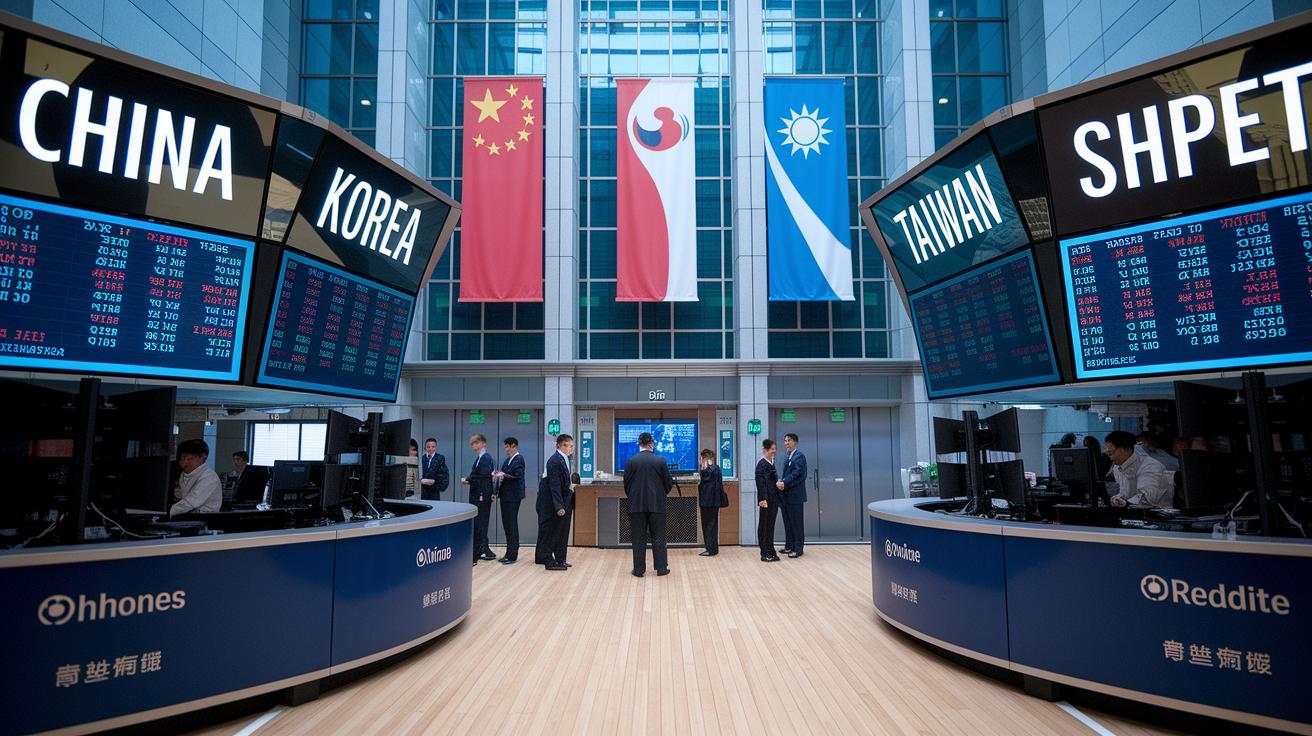
Asia Markets Focus
China’s recovery is catching investors' attention as strong capital flows boost the region. Despite recent setbacks, foreign capital tracking shows a slow but steady return to growth. Korea and Taiwan are ramping up AI use, which is drawing global investors. This tech boost has increased cross-border flows into emerging market stocks in 2025. Ongoing digital finance projects in Asia also sharpen market insights and create fresh growth opportunities.
• Capital inflows signal a slow recovery in China.
• AI growth in Korea and Taiwan drives investor interest.
• Digital finance projects improve market diagnostics.
Latin America Prospects
Latin American markets benefit from strong commodity sectors and better fiscal health. Countries like Mexico and Brazil see stable policy reforms that strengthen market fundamentals. Investors note that natural resources are being used wisely while fiscal strategies modernize. Despite high valuations, sound fundamentals continue to build steady investor confidence.
• Commodity strength and fiscal reforms underpin growth.
• Natural resource use and modern policies attract investment.
• Robust fundamentals help sustain market confidence.
EMEA and Frontier Economies Diagnostics
In EMEA, European government bonds are influencing emerging market funding. Frontier economies are finding unique opportunities through focused reforms and improved credit conditions. Better market diagnostics and structured emerging market debt frameworks favor diversified capital allocation. These trends suggest that both established and emerging markets can benefit from focused regional strategies.
• European bonds shape funding conditions for emerging markets.
• Frontier economies gain from targeted reforms and credit improvements.
• Structured EM debt frameworks drive diversified investments.
Emerging Markets Outlook: Sector Performance and Innovation Drivers
Tech innovations are lifting emerging markets in several ways. Recent data shows AI is boosting returns, especially in Korea and Taiwan, where consumer and corporate banking have become more efficient. Fintech improvements now streamline small business lending and update how credit risk is measured.
- Financial services use AI
- Digital currency pilots by central banks
- Modern systems updating traditional banks
- New sustainable finance strategies
- Fresh approaches to inclusion and diversity
These trends are shaping future markets by cutting costs and opening new revenue streams. For example, Korean fintech tools are improving access to capital with advanced AI. Updated diversity rules are also unlocking more funding options and better risk checks. This data gives traders and investors a clear view of evolving sector performance and digital growth trends.
Emerging Markets Outlook: Risk Factors and Volatility Indicators

U.S. Treasuries and other fixed income instruments acted as safe havens in 2025 as emerging market volatility spiked.
• Fixed income assets outpaced riskier equities amid policy changes and currency stress.
• Political uncertainty in China and India raised systemic risks.
• Disclosures remind investors that these views can change quickly.
• Diversification and targeted hedging are key to managing sudden market swings.
Global shifts in policy and currency pressures have pushed equity volatility higher. Political risks in major markets underline how quickly investor sentiment can shift. Investors must keep reassessing conditions as central bank moves and economic signals continue to evolve.
A balanced portfolio that mixes equities with fixed income can help cushion unpredictable market movements. Using volatility buffers and staying alert to political and economic shifts allows for quicker, more informed adjustments.
Emerging Markets Outlook: Equity and Fixed Income Performance Review
Emerging markets are rapidly adjusting as investor priorities shift. Instead of rehashing common metrics, new insights focus on bond yields, local currency impacts, and central bank moves to clarify market behavior.
• Emerging market equities see cyclical stocks lead the way over traditional value stocks.
• Tech momentum and strong consumer data boost cyclical stocks, while value stocks struggle with currency headwinds.
• U.S. Treasuries continue drawing safe-haven flows, even as emerging market bonds face local currency pressures and shifting central bank policies.
• Credit spreads widen amid fiscal uncertainty, and yield curves indicate that tighter central bank guidance is reshaping fixed income strategies.
Emerging Markets Outlook: Strategic Planning and Portfolio Implications

Investors can boost returns by using planning methods that focus on steady income while keeping an eye on market cycles. Mondrian’s method shows that careful asset selection matters, cyclical sectors and defensive options both offer opportunities. Monitoring capital flows, especially in places like India, helps spot shifts that could affect overall performance.
• Mix high-growth emerging markets with stable assets like U.S. Treasuries.
• Diversification cuts risk during market swings and supports steady returns.
• Regular reviews of asset mixes keep strategies agile as economies change.
Testing portfolios under different market scenarios further sharpens strategies. Adjusting allocations when cross-border capital moves can lower volatility and help meet long-term goals. Investors should check their setups often to stay prepared for evolving market conditions.
Final Words
In the action, 2025 showed solid performance with MSCI Emerging Markets and value indexes recording notable returns.
A shifting playbook for 2026 centers on institutional autonomy, digital finance, and robust public strategies.
The analysis broke down regional dynamics, sector performance, risk factors, and portfolio implications.
Through strategic planning and market insights, the emerging markets outlook points to clear trade signals and future growth potential.
These insights serve as a reminder that informed, agile trading is crucial in capturing opportunities while navigating market shifts.
FAQ
What does the emerging markets outlook for 2026 indicate?
The emerging markets outlook for 2026 indicates a shift toward a new playbook featuring institutional autonomy, digital finance, and inclusive public finance, driven by AI integration and sustainable strategies.
How is the Indian stock market forecasted for 2026?
The Indian stock market outlook for 2026 forecasts long-term expansion amid high valuations, supported by technology reforms and market fundamentals that drive steady growth prospects.
What do major banks forecast for emerging markets in 2026?
Major banks like J.P. Morgan and Morgan Stanley expect emerging markets to realign strategies toward digital innovation and institutional autonomy, as outlined in their 2026 outlook reports.
How are emerging markets performing currently and what is the global outlook for 2025?
Current performance shows the MSCI Emerging Markets index returned 7.5% in 2025, alongside gains driven by AI enthusiasm, while overall trends reflect solid fundamentals and growing digital adoption.
Is investing in emerging markets advisable and how risky is the EEM ETF?
Investing in emerging markets offers long-term potential with growth drivers such as tech innovation, yet comes with volatility from policy and currency shifts; the EEM ETF mirrors this risk, requiring active management.