

Exchange Rates Reflect Investor Confidence
Currency values shift overnight as markets adjust to a country’s economic outlook.
• Shifts in supply and demand, government policy, and job market strength move exchange rates.
• These changes indicate how much trust investors have in an economy.
• Understanding these factors can help you interpret global market signals.
In short, exchange rates aren’t just numbers, they show how economic news and policy shifts translate into market sentiment. Keep an eye on these drivers to better read the global financial landscape.
Fundamental Factors That Determine Exchange Rates
Exchange rates tell us how much one currency is worth in another. They reflect a country's economic strength and the confidence investors have in its market. Good fiscal policies, strong job markets, and high consumer confidence support a stable currency.
• Exchange rates change with market conditions.
• A currency strengthens when demand is high, often boosted by exports and good investment prospects.
• Domestic policies play a key role in keeping a currency steady.
• Fixed and floating exchange rate systems influence how much a currency can move.
Domestic decisions like government spending and a strong labor market help keep a currency attractive by promoting stability and growth. When job numbers are up and consumers feel confident, investors see the currency as a safe bet.
Supply and demand are the basic forces at work. When more people want a currency, its value goes up. When there is too much supply, the value drops. Even a small change in investor sentiment or economic data can have a measurable impact.
Exchange rate systems also matter. In fixed systems, a government pegs its currency to another value with the help of foreign reserves, providing a steady rate. In floating systems, market forces set the rate, which means the value can change more often. Both models depend on the nation's economic policies and global trends.
Macroeconomic Indicators and Their Effect on Exchange Rates
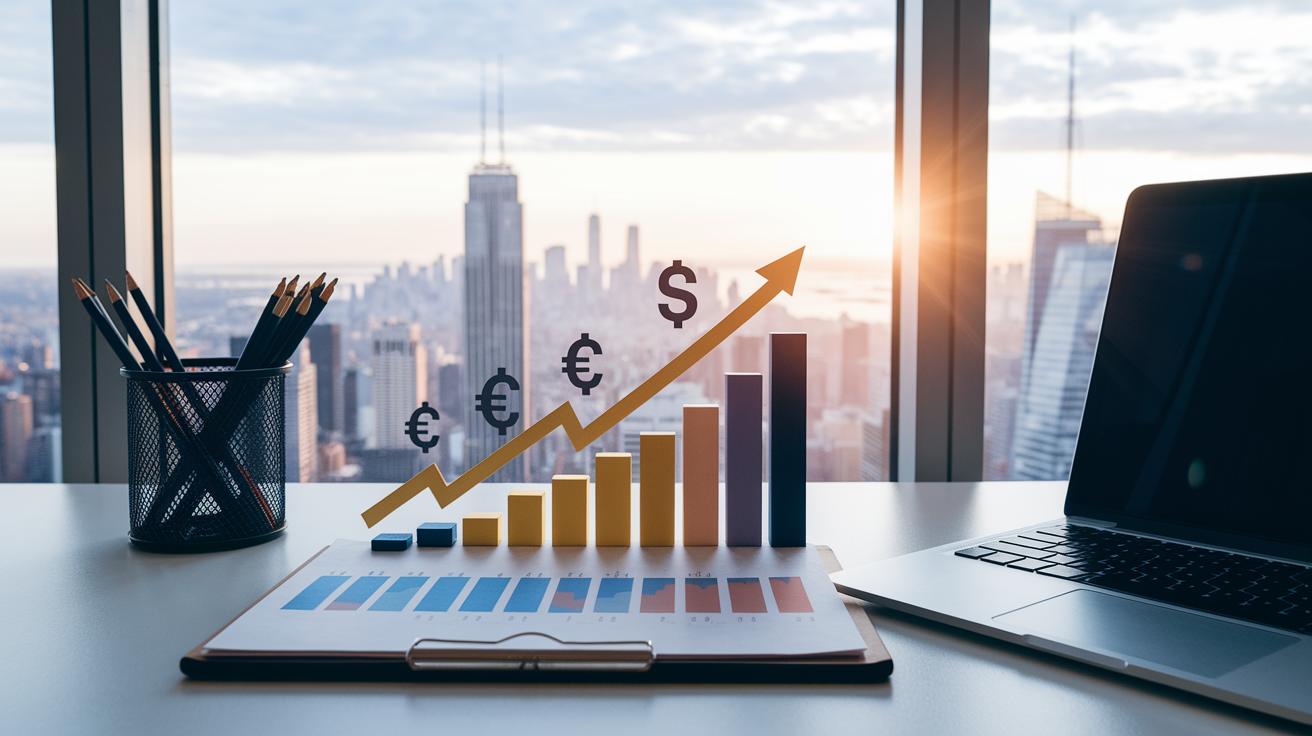
Indicators like inflation, interest rates, and money supply shape the way currencies move. Higher interest rates attract foreign funds, pushing a currency higher. Low inflation supports buying power, while rising prices slowly weaken a currency. A fast-growing money supply can spark inflation and lower the currency’s value.
Key takeaways:
• Inflation: Low rates keep a currency strong; rising prices cut buying power.
• Interest Rates: Higher rates pull in foreign investors, boosting the currency.
• Money Supply: Rapid increases can lead to inflation and weaken the currency.
When domestic rates rise, investors flock to local assets. This can slow spending and encourage saving, which helps counter inflation. But if inflation climbs quickly, the benefit of higher rates may not be enough. Central banks watch these indicators closely and adjust their policies to keep exchange rates stable.
| Indicator | Currency Impact |
|---|---|
| Inflation | Reduces buying power and weakens the currency |
| Interest Rate | Higher rates draw in money, strengthening the currency |
| Money Supply | Rapid expansion can increase inflation and prompt depreciation |
Trade Balances, Capital Flows and Exchange Rate Movements
A country's trade balance directly influences its currency's strength. When exports exceed imports, a surplus builds up that boosts demand for the domestic currency and improves the current account. This surplus tells investors that the country produces more than it consumes from abroad, which supports a stronger currency. In contrast, a deficit, where imports outpace exports, can pressure the currency downward as foreign money becomes more attractive.
Foreign direct investment (FDI) and portfolio flows also shape currency values. FDI brings long-term capital that fuels business growth and helps stabilize the currency. Likewise, buying stocks and bonds increases demand for local money. Occasionally, fast-moving speculative funds (hot money) can trigger sharp currency swings that don't always match underlying economic trends. Together, these factors create a complex view of how currencies are valued in both the short and long term.
- Export demand
- Import spending
- FDI inflows
- Portfolio investments
- Speculative hot money flows
Monetary and Fiscal Policy Impacts on Exchange Rates

Central banks change interest rates to drive quick shifts in currency values, while government spending and taxes build long-term trust.
• Higher rates attract foreign funds, strengthening the currency.
• Lower rates reduce yields and may slow capital inflows.
• Large deficits or big stimulus measures can hurt market confidence.
• A growing money supply can spark inflation and weaken buying power.
Central banks set short-term rates to guide market conditions. When rates rise, investors chasing better returns pour money in, boosting the currency. Rate cuts offer lower returns, which can drive funds elsewhere. Traders track Fed hints for clues on upcoming moves.
On the fiscal side, steep deficits and high spending can create doubts among investors. More money in the system sometimes leads to inflation that chips away at purchasing power, pushing a currency down fast.
Political and Geopolitical Events Shaping Exchange Rates
Domestic political stability keeps a currency strong. When a government follows clear policies and delivers stable election results, investors see lower risk and are more willing to keep their money local. This steady approach helps maintain smooth capital flows and supports the currency’s value.
• Clear, consistent policies reduce uncertainty.
• Stable election outcomes build investor trust.
External events like wars, sanctions, or natural disasters can quickly change market sentiment. In these moments, traders often move their investments to safe-haven currencies such as the U.S. dollar or Swiss franc. These rapid shifts can upset the normal balance of supply and demand, leading to sharp currency drops even when the underlying economy remains sound.
• Sudden shocks push funds to safer assets.
• Quick market moves can cause fast depreciations.
International organizations like the IMF and World Bank also affect currency strength by linking their financial aid to policy reforms. Their assistance packages often require better fiscal management and stronger governance. If a country meets these standards, investor confidence in its currency tends to recover, potentially reversing earlier declines. However, delays or failure to implement the reforms can worsen negative sentiment and further weaken the currency.
• Aid conditions push for fiscal discipline.
• Meeting reform targets can restore investor trust, while delays may lead to more currency weakness.
Exchange Rate Regimes and Their Influence on Currency Values

Floating and fixed exchange rate systems work in very different ways. Under a floating system, market demand and supply drive currency prices every day. In this setup, factors like investor sentiment, trade flows, and economic data directly affect the value.
• Floating systems see daily price moves from market factors.
• Fixed systems depend on a central bank’s actions and reserves to stabilize prices.
• Pegged and currency board models tie a domestic currency to a stronger one, limiting daily swings.
• Stable rates help keep trade and investment decisions straightforward.
In a fixed regime, the government or central bank sets a target rate and actively buys or sells its currency to maintain that level. This approach stops big fluctuations that could disrupt business. Pegged systems, meanwhile, use solid reserves to back a direct link to a more stable foreign currency. With a currency board, the domestic money supply is directly tied to those reserves, which makes the currency’s value even more predictable.
Market Sentiment, Speculation and Short-Term Exchange Rate Fluctuations
Trader sentiment can push exchange rates to shift rapidly. News, rumors, and sudden changes in market mood can trigger moves before official data shows any change.
• Traders reacting to perceived risk can sell a currency quickly.
• In uncertain times, investors move funds to safe currencies like USD or CHF.
• Speculative trades, such as carry trades, fuel fast and sometimes sharp market reversals.
Traders often act on signals rather than waiting for economic reports. If they sense a country’s outlook is weak, they may start offloading its currency, leading to noticeable price swings in forex markets.
During periods of economic or geopolitical stress, investors look for shelter in stable currencies. This behavior, known as flight-to-quality, pushes funds into currencies such as the USD or CHF even if the economy has not changed much. The rush to these safe assets can force other currencies to depreciate quickly, adding volatility in the short term.
Speculative strategies also play a major role. In carry trades, traders borrow in low-interest-rate currencies to invest in ones offering higher returns. As the interest rate gap widens, large flows of money can cause rapid moves. When conditions change or expectations shift, these positions are unwound fast, resulting in abrupt reversals. This pattern is a key factor in today’s fast-moving currency markets.
Case Studies and Examples of Exchange Rate Determinations
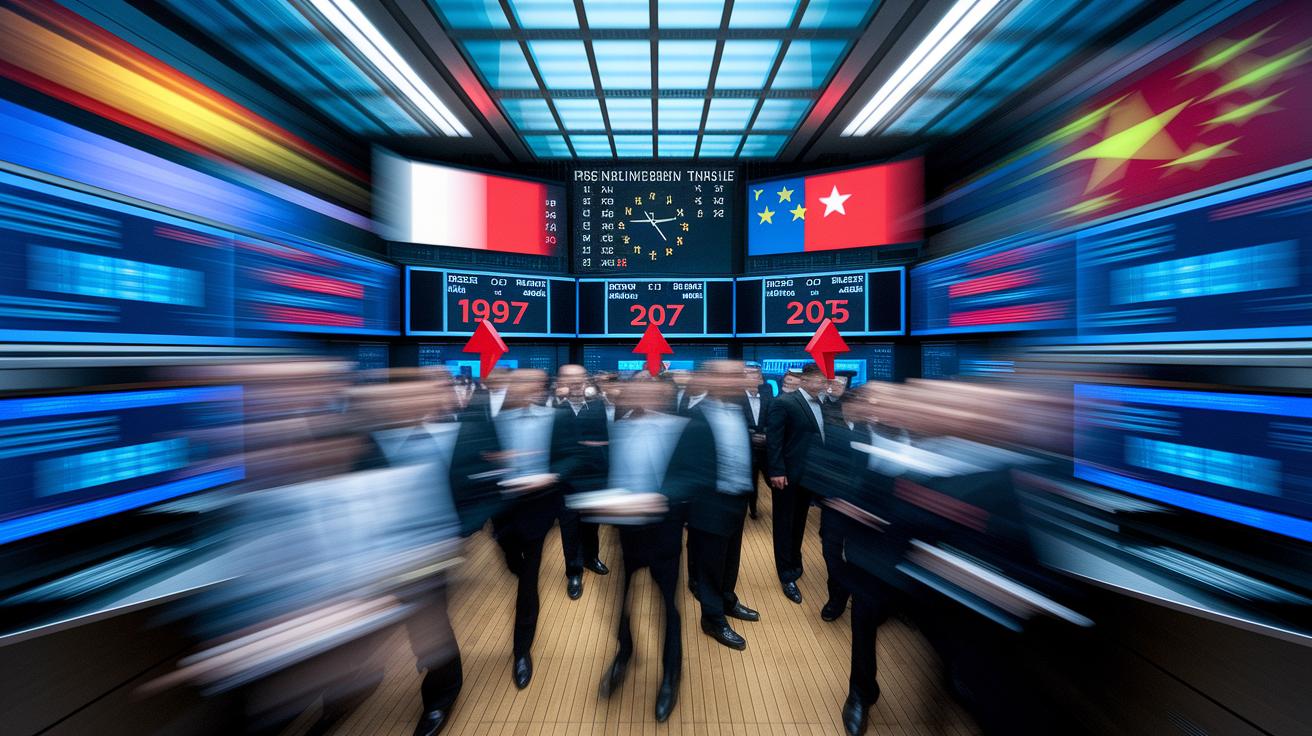
Historical events show how quick shifts in the market can break long-standing exchange rate systems. In 1997, rapid capital outflows forced many Asian countries to ditch fixed exchange rates after investor confidence fell. Currencies dropped sharply when governments couldn’t keep up policy measures under pressure. Similarly, in 2015 the Swiss National Bank removed its euro peg, sparking an immediate boost in the Swiss franc. This unexpected move demonstrates how even trusted financial policies can lead to rapid market reactions and create risks.
- 1997 Asian crisis: Fixed exchange rates collapsed under swift capital outflows.
- 2015 Swiss move: Dropping the euro peg sent the franc higher.
- Both cases highlight how swift policy changes can trigger major currency moves.
In countries that export commodities, currency values closely follow global price trends. For example, economies like Canada and Australia see their currencies strengthen when oil or metal prices rise since better export revenues boost investor sentiment. On the other hand, falling commodity prices often lead to weaker currencies as export earnings drop.
- Rising oil and resource prices tend to strengthen local currencies.
- Falling commodity prices can lead to depreciation due to lower export income.
- Tracking global commodity trends is key for understanding currency movements.
These real-world examples underline the need for investors to keep an eye on both central bank decisions and global market trends to manage currency risks effectively.
Final Words
In the action, this article broke down how domestic policies, global trends, and market shifts drive currency values. We reviewed key factors, including supply and demand, macroeconomic signals, and political events. A look at trade balances and capital flows helped clarify the real impact on exchange rates.
Our clear guide shows what determines exchange rates and builds confidence in spotting tradeable opportunities. Positive market insights help empower smart, timely decisions.
FAQ
Frequently Asked Questions
What determines exchange rates in economics?
The factors that determine exchange rates in economics include supply and demand, economic performance, interest rates, and monetary policies. Domestic conditions and global market sentiment work together to set currency conversion values.
What is exchange rate today?
The term “exchange rate today” refers to the current market price at which one currency is exchanged for another. It fluctuates continuously based on real-time market forces and economic developments.
What happens when exchange rates increase and what are the principal factors affecting them?
When exchange rates increase, a currency gains strength relative to others. Robust economic growth, higher interest rates, and controlled inflation are key factors that boost a currency’s value, influencing investor behavior.
What determines the US exchange rate?
The US exchange rate is shaped by domestic fiscal and monetary policies, economic performance, and market sentiment. Interest rate decisions, trade balances, and broader global economic trends play essential roles in influencing the dollar’s value.