
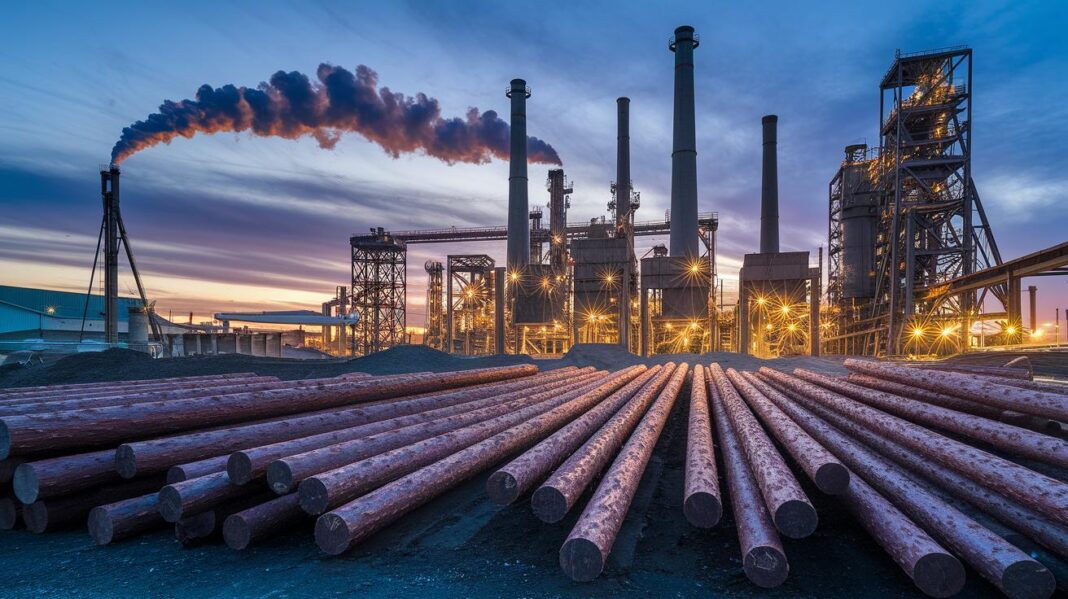

Raw Iron Cuts Costs in Steel Production
Raw iron, with 50-70% iron content, is key for keeping steel and manufacturing expenses low.
• 50-70% iron content makes raw iron an affordable base material.
• Simple field tests quickly confirm its quality.
• It streamlines production and cuts costs, boosting efficiency.
Raw iron forms the backbone of steelmaking and many manufacturing processes. Quick tests reveal its essential qualities, proving its role as a low-cost ingredient. This affordable resource helps produce strong, durable products while reducing production expenses, making it a cornerstone of modern industry.
Raw Iron Boosts Industrial Potential
Raw iron, with its natural 50–70% iron content, remains a cost-effective base for steelmaking and other industrial uses.
• Key types include hematite, magnetite, limonite, and siderite.
• Hematite shows a red hue and clear streak; magnetite reacts strongly to magnets.
• Simple tests, by color, streak, and magnetism, confirm its raw state.
Raw iron is the unprocessed form of iron ore, rich in natural minerals. It hasn’t undergone refining to remove impurities, which helps keep production costs low. Deposits typically form in banded or lateritic beds, where geological processes concentrate the minerals into high-grade clusters.
Experts use easy field tests to identify raw iron. A visual look can reveal the distinctive red or reddish-brown colors of hematite, while crushing up a sample often shows a characteristic powdery streak. A strong magnetic pull signals the presence of magnetite.
This unrefined iron is essential for industries, it supplies the inherent qualities that smelting later enhances into robust materials for a variety of applications.
Composition and Material Properties of Raw Iron
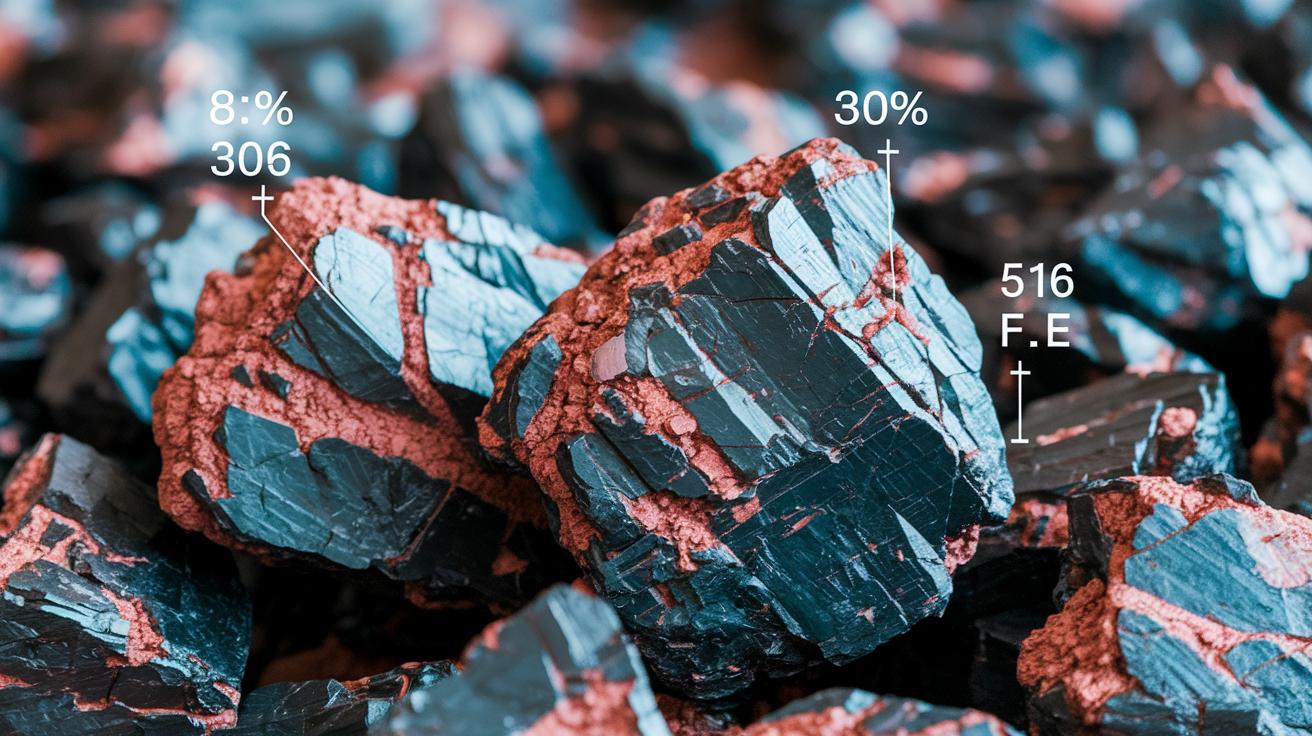
Raw iron ore is mined from natural deposits and its chemical makeup drives processing decisions. Hematite (Fe₂O₃) carries 60–70% iron, while magnetite (Fe₃O₄) contains about 72.4% iron by weight. These ores also hold impurities including 3–8% silicon dioxide (SiO₂), 1–5% aluminum oxide (Al₂O₃), 0.1–0.3% phosphorus (P) and less than 0.05% sulfur (S). The ore has a density of roughly 7.8 g/cm³, a Mohs hardness of 4–5, and melts at approximately 1538 °C. Magnetite shows strong magnetic properties, unlike the weak magnetism observed in hematite.
Key properties at a glance:
- Hematite: 60–70% Fe
- Magnetite: 72.4% Fe
- Impurities: SiO₂ (3–8%), Al₂O₃ (1–5%), P (0.1–0.3%), S (<0.05%)
- Density: ~7.8 g/cm³
- Melting point: ~1538 °C
Geological forces such as sediment deposition, pressure, and thermal changes concentrate these minerals into high-grade deposits, often forming layered or lateritic clusters. Engineers use this consistent data to fine-tune furnace conditions and improve smelting efficiency.
Extraction and Processing Techniques for Ore‐Based Raw Iron
Mining iron ore starts by choosing between open-pit or underground techniques based on where the ore lies and the deposit size. In open-pit mining, operators drill, blast, and haul ore by truck to quickly reach near-surface deposits. Underground mining uses controlled drilling and blasting with specialized equipment. After extraction, the ore is crushed into pieces under 25 mm and then ground to below 100 µm to separate valuable minerals from waste. Magnetic separation (which uses the strong magnetic properties of magnetite) and flotation (which isolates iron from impurities) help concentrate the iron content into a consistent, higher-grade material ready for further treatment.
Once concentrated, the ore is roasted at 600–800 °C to remove moisture and sulfur. It is then smelted in a blast furnace at temperatures above 1500 °C, where coke and flux are added to produce pig iron with about 4–5% carbon. This process recovers 90–95% of the iron, featuring key steps like slag removal and pig iron tapping. Alternatively, Direct Reduced Iron (DRI) is made using natural gas at 800–1200 °C, resulting in roughly 92% yield. The method chosen depends on energy efficiency and the final use in steelmaking and other markets.
Industrial Applications of Raw Iron and Comparison Table
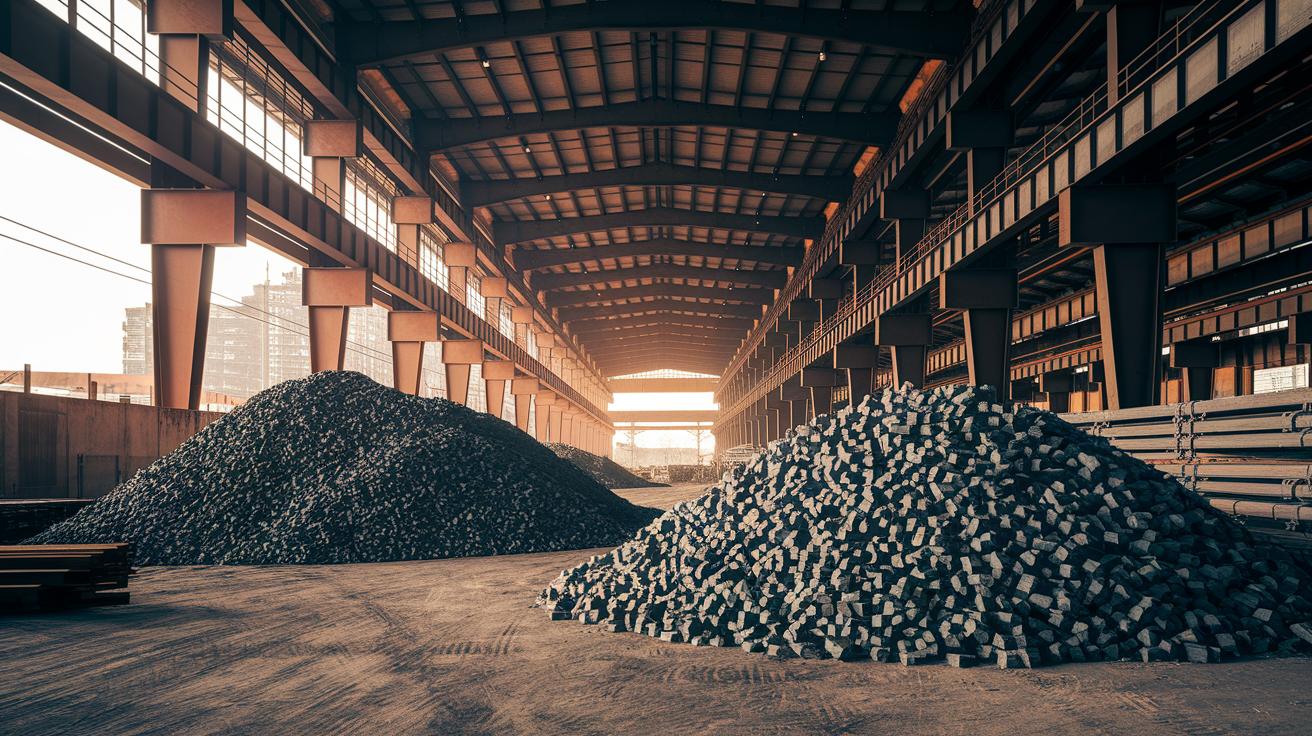
Raw iron is a cost-effective, high-iron resource that drives many industrial processes. It is turned into pig iron or direct reduced iron (DRI) and is essential in steelmaking for a consistent metal mix. Foundries use raw iron directly in molds to produce dependable automotive parts and machinery. In construction, it acts as a filler to add stability, while railway sleepers rely on its weight for enhanced track strength. The chemical industry uses it as a flux in cement additives.
Key points:
• Uniform composition reduces processing steps and costs.
• Easy to integrate into diverse manufacturing workflows.
• Cuts the need for extensive pre-refinement, streamlining supply chains.
| Application | Raw Iron Role | Industry Sector |
|---|---|---|
| Steelmaking | Main feed (60–70% of mix) | Metallurgy |
| Foundry Castings | Direct mold charge | Automotive, Machinery |
| Construction Ballast | Filler for stability | Infrastructure |
| Railway Sleepers | Stabilizing weight | Transportation |
| Cement Additive | Flux component | Chemical |
Sourcing and Sustainability Considerations for Raw Iron
Companies use advanced mapping and global deposit data to pinpoint raw iron deposits quickly. They rely on modern resource mapping and field surveys along with remote sensing to home in on key areas. Major regions include Australia (30% of the seaborne supply), Brazil (20%), China (15%), and India (8%), where high-grade ore (over 62% Fe) is found to ensure a steady feedstock.
• Advanced mapping and geological studies verify ore quality and reserve size.
• Major producers in key regions drive reliable, seaborne supply.
• High-grade ore criteria supports efficient processing.
Today, environmental impact plays a key role in mining decisions. Operators note that blast furnace operations use 10–12 m³ of water per ton of crude steel and emit roughly 1.8 tons of CO₂ for each ton of steel produced. To tackle these issues, companies are shifting to eco-friendly methods like dry stacking tailings and low-energy pelletizing processes. They also recycle slag and bring renewable energy into their operations.
These practical steps not only cut costs but also help companies meet stricter environmental standards. By blending precise resource mapping with sustainable practices, firms secure raw iron supplies and reduce water use, emissions, and contamination, an approach that supports long-term success in metal extraction.
Benefits and Drawbacks of Raw Iron in Manufacturing
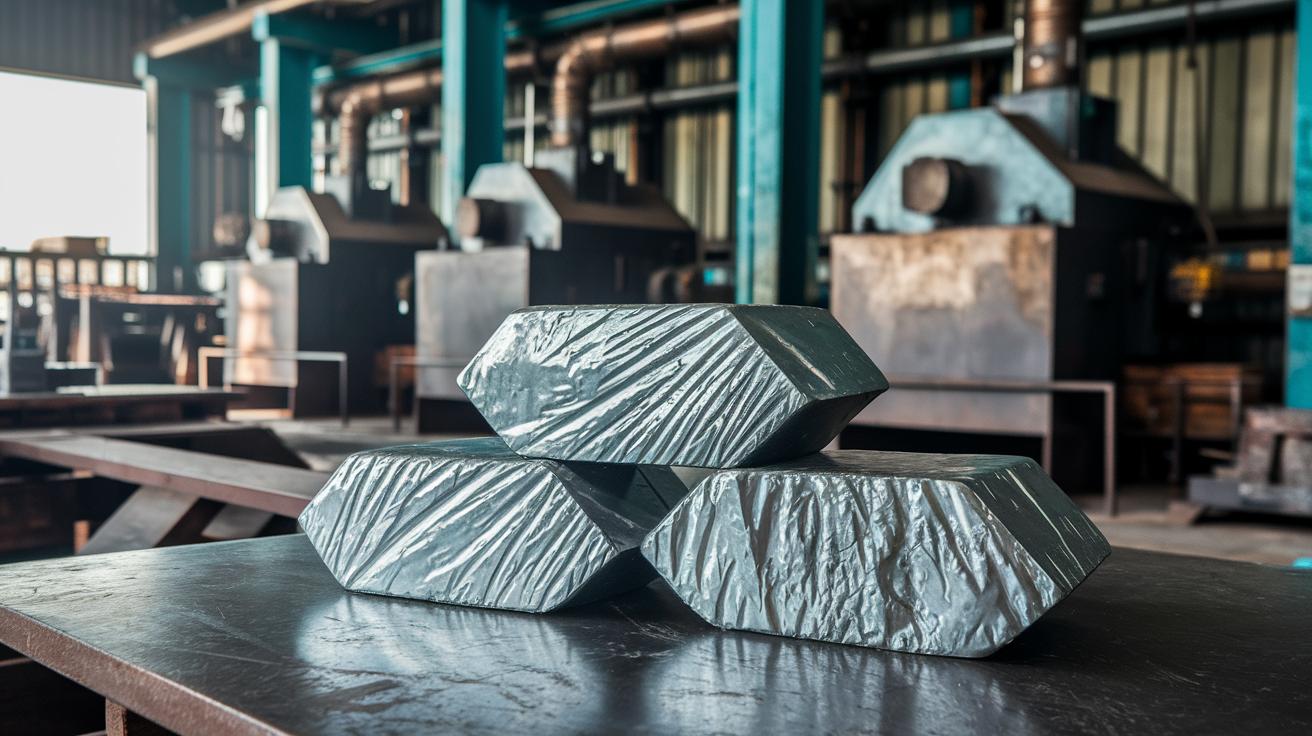
Raw iron is a cost-efficient feedstock with a stable chemical profile that streamlines furnace settings, but its 4–5% carbon and impurities call for additional refining.
- Cost-effective base metal with consistent composition
- Reduced need for extra alloy additions in production
- High carbon and impurities require secondary refining
- Lower ductility and increased brittleness may affect processing
Manufacturers favor raw iron for its uniform makeup, which helps maintain predictable performance across batches. However, its elevated carbon and impurities like phosphorus and sulfur mean extra refining steps that can slow production and heighten quality control issues. Regular inspections using X-ray fluorescence (XRF) monitor impurity levels, while strict OSHA safety standards guide dust control and PPE use during handling. These protocols help balance raw iron’s low cost and consistency with the challenges of refining and processing.
Nutritional Perspective: Iron from Raw Food Sources
Raw foods deliver essential iron needed for energy and overall health. Iron appears in two main types. Heme iron, found in animal products like raw beef (2.6 mg per 100 g), is generally absorbed better by your body. Non-heme iron is common in plant foods such as spinach (2.7 mg per 100 g), lentils (3.3 mg per 100 g), and pumpkin seeds (8.8 mg per 100 g). Most men need about 8 mg daily, while women require around 18 mg.
• Heme iron offers higher absorption rates.
• Vitamin C, like citrus added to spinach, boosts non-heme absorption.
• Certain grains and legumes contain phytates that can reduce iron uptake.
For those who find it hard to reach these levels, supplements are an option. Ferrous sulfate (325 mg) provides 65 mg of elemental iron, while iron bisglycinate is a preferred choice for vegans. Adjusting your diet with these options can help close nutritional gaps and tailor your intake to your body’s needs.
Final Words
In the action, this piece breaks down raw iron’s fundamentals, from its clear definition and natural sources to its material properties and extraction techniques. It covers key ore types like hematite and magnetite while spotlighting industrial uses and sustainable sourcing methods.
The article also touches on nutritional perspectives from natural food sources. Each section offers actionable market insights designed to help you make confident decisions. The future for raw iron remains bright and full of potential.
FAQ
What is raw iron?
Raw iron describes unrefined, naturally occurring iron ore that serves as the starting material in steelmaking and other industries, characterized by its inherent impurities before undergoing processing.
What does raw iron do?
Raw iron acts as the essential feedstock in various industrial processes, supplying the base material for steel production, foundry castings, construction ballast, and other applications.
What is raw iron called?
Raw iron is also known as unrefined iron ore or natural iron, denoting iron in its natural state as extracted from mineral deposits before any refining occurs.
How is raw iron identified in real life?
Raw iron is recognized in nature by its color, distinct streak test results, and magnetic properties, especially in minerals like hematite and magnetite found in ore deposits.
Where can I get raw iron?
Raw iron is obtained from iron ore deposits through mining, typically via open-pit or underground methods in regions hosting rich banded iron formations or lateritic deposits.
What are the industrial uses of raw iron?
Raw iron is widely used as the primary feedstock in steelmaking, supports foundry castings, acts as a construction additive, enhances railway sleeper stability, and contributes to cement additives.
What is raw iron in Minecraft?
Raw iron in Minecraft is the mined resource that players smelt into iron ingots, representing a digital analog of naturally occurring iron ore used for crafting and building within the game.
What is a raw iron block in Minecraft?
A raw iron block in Minecraft refers to a dense block made from smelted iron ingots, utilized for storage or decorative purposes, and is distinct from the raw iron ore mined in the game.
What is a raw iron supplement?
A raw iron supplement is a nutritional product designed to provide elemental iron crucial for addressing deficiencies, differing significantly from raw industrial iron ore used in manufacturing.
What does Raw Iron Movie refer to?
Raw Iron Movie likely identifies a film title that bears the name “Raw Iron,” which is unrelated to the industrial or nutritional context of raw iron as an unrefined natural resource.
What does Raw Iron clothing refer to?
Raw Iron clothing typically denotes an apparel brand using “Raw Iron” in its name, representing a fashion line rather than relating to the mineral or industrial substance.