
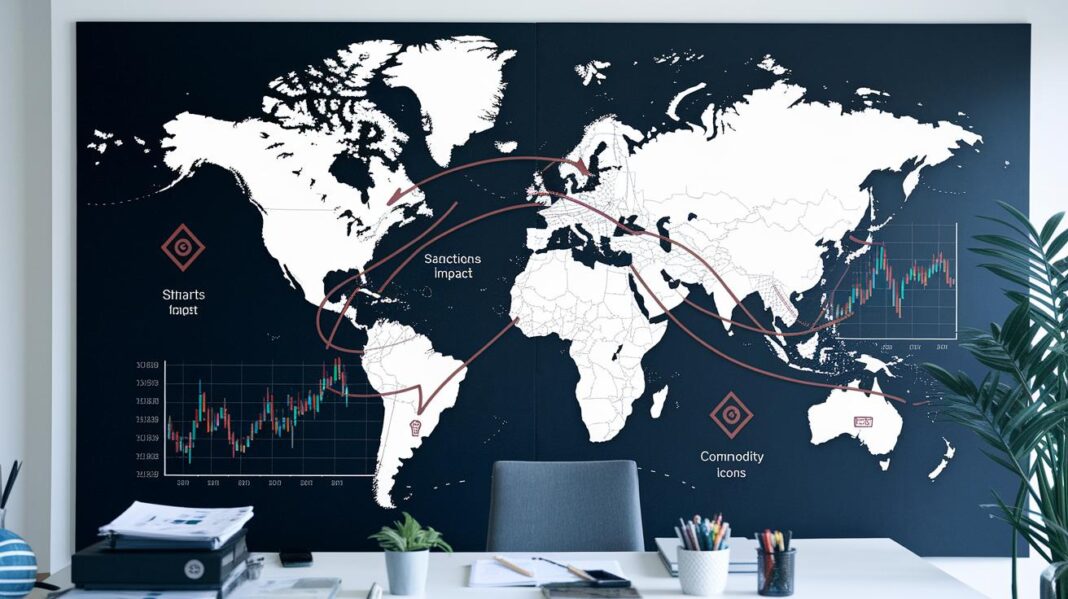

Trade Sanctions Spike Commodity Prices
Governments' trade restrictions drive quick price increases by limiting access to key resources.
• Tariffs, quotas, and asset freezes raise costs on foreign goods.
• Limited resource access forces companies to adjust quickly.
• Political actions are reshaping global trade and commodity demand.
When authorities impose trade barriers, companies face sudden input cost hikes as resources become scarcer. This shift directly alters market dynamics and commodity pricing around the world.
Mechanisms Connecting Sanctions, Trade Policy, and Commodity Demand
Governments use sanctions to push political goals without using military force. They impose trade embargoes, tariffs, quotas, and asset freezes. Agencies like the U.S. Treasury’s OFAC have used these measures since the 1930s, evolving into complex systems that target sectors such as oil, gas, agriculture, and key raw materials. This often causes prices to swing sharply. For example, asset freezes can disrupt financial flows, and trade embargoes limit access to necessary goods. In fact, some countries see a quick surge in alternative supply sources as businesses scramble to secure raw materials.
• Sanctions cut off key resources and shake up market supply.
• Trade embargoes force fast adjustments in commodity access.
• Measures like tariffs, quotas, and freezes ramp up price volatility.
Trade policies also influence commodity demand by changing cost structures and market access. Tariffs raise import prices, which directly lowers demand for foreign goods. Quotas and export bans limit supply, squeezing global markets and driving prices higher. Licensing controls and anti-dumping duties add extra costs for companies that they pass along the supply chain. These measures aim to protect domestic industries while shifting global trade balances and creating new pricing trends.
Together, sanctions and trade policies reshape commodity markets. Fewer available resources and increased costs make prices more volatile and alter demand patterns, with markets quickly adjusting inventory and trade flows to cope with the changes.
Historical Evolution of Economic Sanctions Affecting Commodities

Sanctions have shaped global trade by limiting access to crucial markets and resources. In the 1930s, the League of Nations used basic embargoes to apply political pressure. These early moves, though simple and hard to enforce, laid the groundwork for more targeted actions later on.
Early League of Nations Actions
• In the 1930s, the League of Nations imposed simple trade embargoes.
• Leaders ordered a stop to the trade of essential raw materials.
• These decisions shocked industries when supplies of critical inputs suddenly disappeared, forcing nations to quickly adapt.
Post-WWII Modern Sanctions
After World War II, sanction regimes evolved with the U.S. Treasury’s OFAC at the forefront of targeted measures. Agencies now work with international partners to impose detailed restrictions on countries such as Russia, Iran, Venezuela, and Zimbabwe.
• Modern sanctions include precise asset freezes and bans on specific sectors.
• Official notices now state, "Effective immediately, all transactions with designated entities are frozen," marking a shift to clear and enforceable rules.
This move from crude embargoes to focused, coordinated measures has reshaped commodity markets by changing supply channels and trade patterns.
Key Trade Policy Instruments and Their Direct Effects on Commodity Pricing
Trade policies are now working together to push commodity prices higher by limiting supply and increasing costs. A 2022 aluminum study showed that tariffs combined with licensing delays raised prices more than either policy on its own.
• Overlapping tariffs and export bans boost import costs and tighten supplies.
• A mix of policies creates cost pressures that add volatility to the market.
• Key tools include tariffs, quotas, export bans, anti-dumping duties, licensing controls, and origin rules.
Investors should watch how these coordinated measures reshape market dynamics. As regulators blend different tools to control pricing and supply chains, businesses are forced to adjust their strategies to keep pace with the changing trade environment.
Supply Chain Disruptions and Sourcing Shifts Under Sanctions
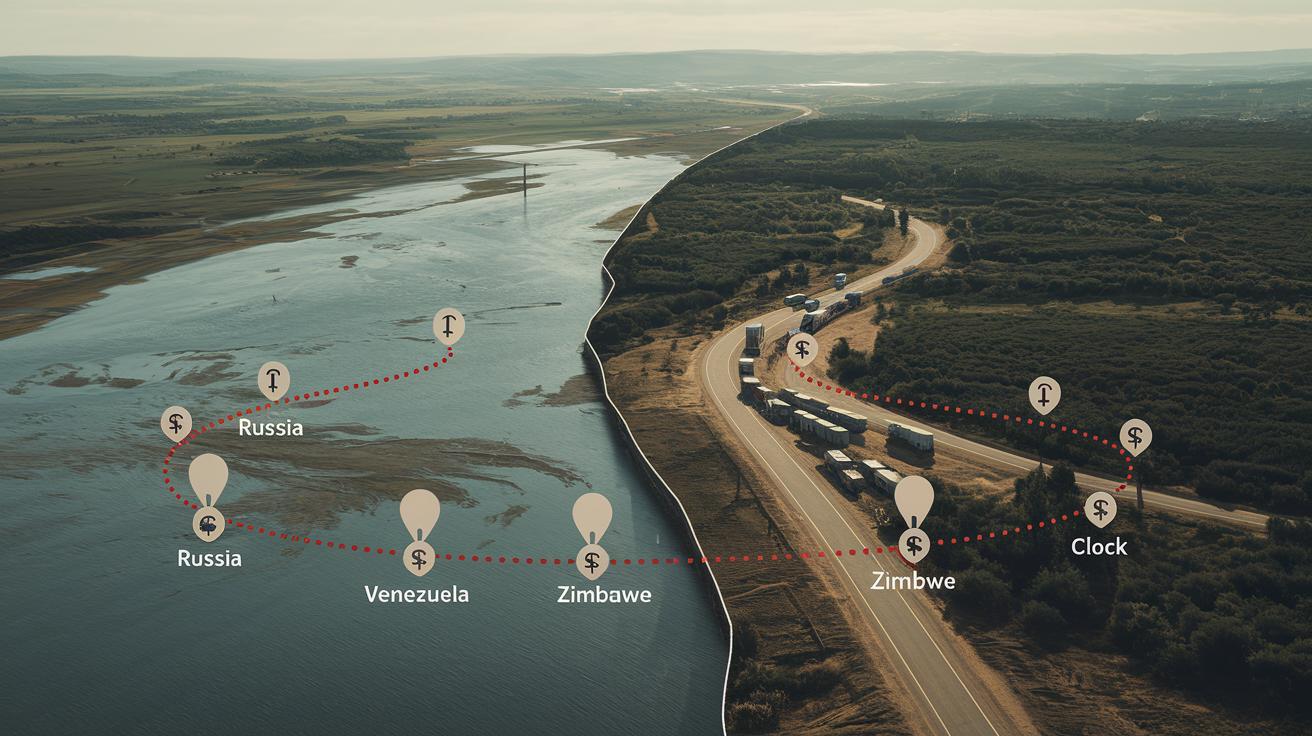
Sanctions are shaking up global trade routes and straining supply chains. Recent measures have forced companies to seek new sources, driving up lead times and costs.
- Russia’s exclusion from SWIFT in 2022 spurred payment delays and slowed logistics.
- Venezuelan oil output fell 35% after 2019 sanctions, triggering supply shortages.
- Zimbabwe saw an 8% drop in mining exports, prompting companies to re-engineer delivery routes.
| Country | Sanctioned Commodity | GDP Impact | Supply Chain Outcome |
|---|---|---|---|
| Russia | Oil & Gas | High | Disrupted payments; logistics delays |
| Venezuela | Crude Oil | Severe (~35% drop) | Supply shortages; lower investments |
| Zimbabwe | Mining Exports | Moderate (~8% decline) | Re-engineered routes; increased costs |
| Iran | Energy & Tech | Significant | Extended lead times; higher input costs |
These developments expose key vulnerabilities. Firms in energy and tech must quickly adjust their sourcing strategies to keep regional commerce flowing.
Resilience and Adaptation Strategies in Commodity Markets
Companies are stepping up their game to handle sanctions and tariffs. They’re building strong compliance systems, widening their supplier networks, and setting up rapid response teams to keep revenue steady during market swings.
• Firms boost compliance with regular audits, clear licensing rules, and focused staff training.
• They use financial tools like futures and options and add force majeure clauses to tackle price volatility and supply hiccups.
• Engaging in bilateral and multilateral talks helps secure key trade deals and maintain market access.
Developing Robust Compliance Frameworks
Businesses run frequent internal audits and enforce strict licensing protocols. They invest in staff training to meet new regulations even when traditional trade routes are disrupted. These steps help streamline processes and keep operations running smoothly.
Financial Hedging and Contractual Protections
Companies protect themselves from rapid price changes through financial hedging with futures and options. They also include force majeure clauses in contracts to cushion against sudden supply problems. These tactics help stabilize revenue and cut potential losses during market stresses.
Leveraging Economic Diplomacy and Trade Agreements
Firms are now getting active in economic diplomacy by negotiating both bilateral and multilateral trade agreements. By carving out special terms for critical sectors, they keep supply chains resilient and mitigate tighter regulatory pressures during geopolitical shifts.
Future Trends and Policy Directions Shaping Commodity Demand

New trade agreements like RCEP and USMCA are changing how commodities move around the globe. They simplify border rules and cut red tape, even as they bring new pricing terms that upend old models. At the same time, the clash between open markets and protectionist policies is causing sudden tariff hikes and rule shifts. Countries set up measures to protect local industry, pushing traders to rethink their strategies and guard against disruptions. Investors and analysts are watching these trends closely as they reshape global supply chains.
Key takeaways:
- Trade pacts lower barriers but also alter traditional pricing.
- A tug-of-war between market openness and protectionism adds uncertainty.
- Market players are adjusting strategies to manage risk.
Policy changes are adding extra pressure to the commodity market. New climate policies might limit high-carbon products, leading to shifts in the energy market. Rising tensions in areas like the Asia-Pacific and Middle East could trigger abrupt price jumps and supply disruptions. Companies are rethinking their sourcing and inventory tactics while governments tighten trade rules. Quick risk management is now crucial for navigating this rapidly changing regulatory environment.
Key takeaways:
- Climate rules may force energy markets to shift away from high-carbon products.
- Geopolitical tensions can cause sudden trade disruptions and price spikes.
- Businesses and regulators must continually adjust in response to new policies.
Final Words
In the action, this article breaks down how sanctions and trade policy affect commodity demand by outlining key mechanisms, pricing shifts, and supply chain challenges. It covers trade barriers, pricing distortions, and the safeguards firms set up to adapt to market pressure. We also touched on future trends and policy shifts shaping the market landscape. The impact of sanctions and trade policy on commodity demand remains a clear driver behind these changes. Markets adjust and evolve, creating new, positive opportunities for traders and investors alike.
FAQ
What are sanctions?
The concept of sanctions refers to economic tools governments use to apply pressure without military conflict. Sanctions include trade embargoes, tariffs, quotas, and asset freezes, and are enforced by agencies such as OFAC.
What do articles about sanctions discuss?
Articles about sanctions examine the mechanisms governments use, the historical evolution from early embargoes to modern frameworks, and how these measures influence trade policies, commodity pricing, and global market dynamics.
How do sanctions and trade policies affect commodity demand?
Sanctions and trade policies alter supply and pricing by restricting key sectors like energy and agriculture, leading to market volatility, shifting sourcing strategies, and changes in global commodity demand.