
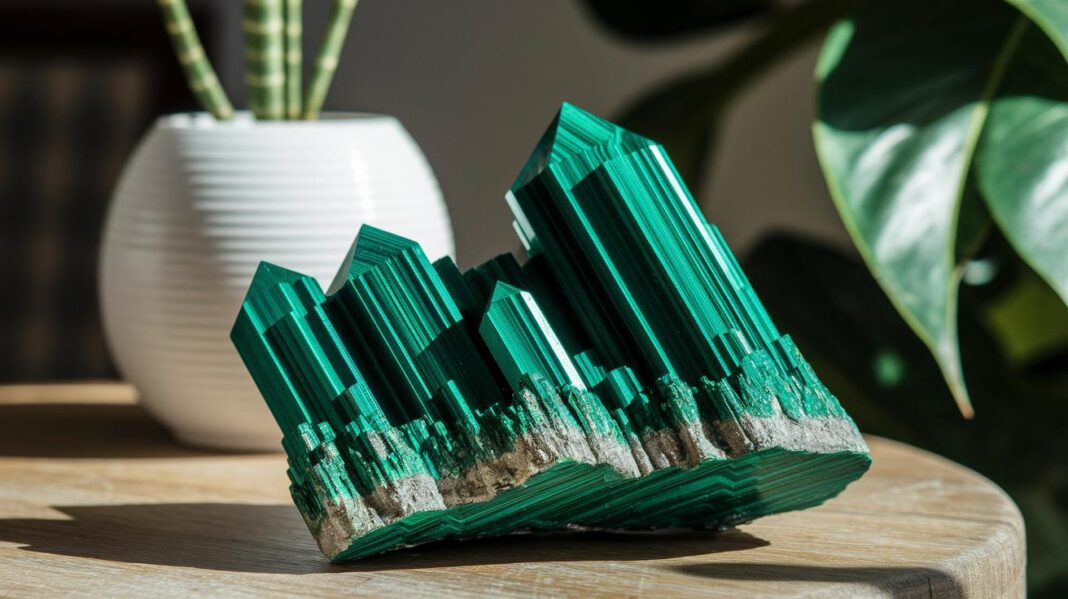

Raw Malachite: Nature's Bold Design
Raw malachite shows off vivid green swirls formed naturally by copper and water. Its soft, shifting texture makes it a favorite among artists for decor and jewelry.
• Formed when copper reacts with water
• Prized for its natural, vibrant patterns
• Popular in decorative pieces and jewelry designs
This stone’s organic design offers both visual beauty and a peek into the natural chemistry behind its creation.
Natural Appearance and Uses of Raw Malachite
Raw malachite shows a bold green pattern with swirling and concentric bands that grab your attention. It forms in copper-rich areas when water loaded with dissolved carbon dioxide reacts with copper-bearing rocks. This natural process creates a stone known for its decorative charm.
This untreated gem has a Mohs hardness of 3.5 to 4.5, which means it is soft and a bit brittle. Still, it takes a high polish very well. That quality makes it popular among lapidary artists, who need both beauty and durability. Both artists and collectors appreciate malachite for its natural texture and shifting shades of green.
Jewelers often use raw malachite to craft unique earrings, pendants, and bracelets. They usually set it in protective settings to reduce the risk of damage from its softness. The stone is also a favorite for decorative carvings, where its detailed patterns add an extra touch of elegance.
Collectors value malachite not only for its striking looks but also for its story of copper mineralization. For instance, a malachite cabochon keeps its vibrant green color in sunlight, demonstrating why this natural stone remains a popular choice in both artistic and functional creations.
Geological Formation of Raw Malachite
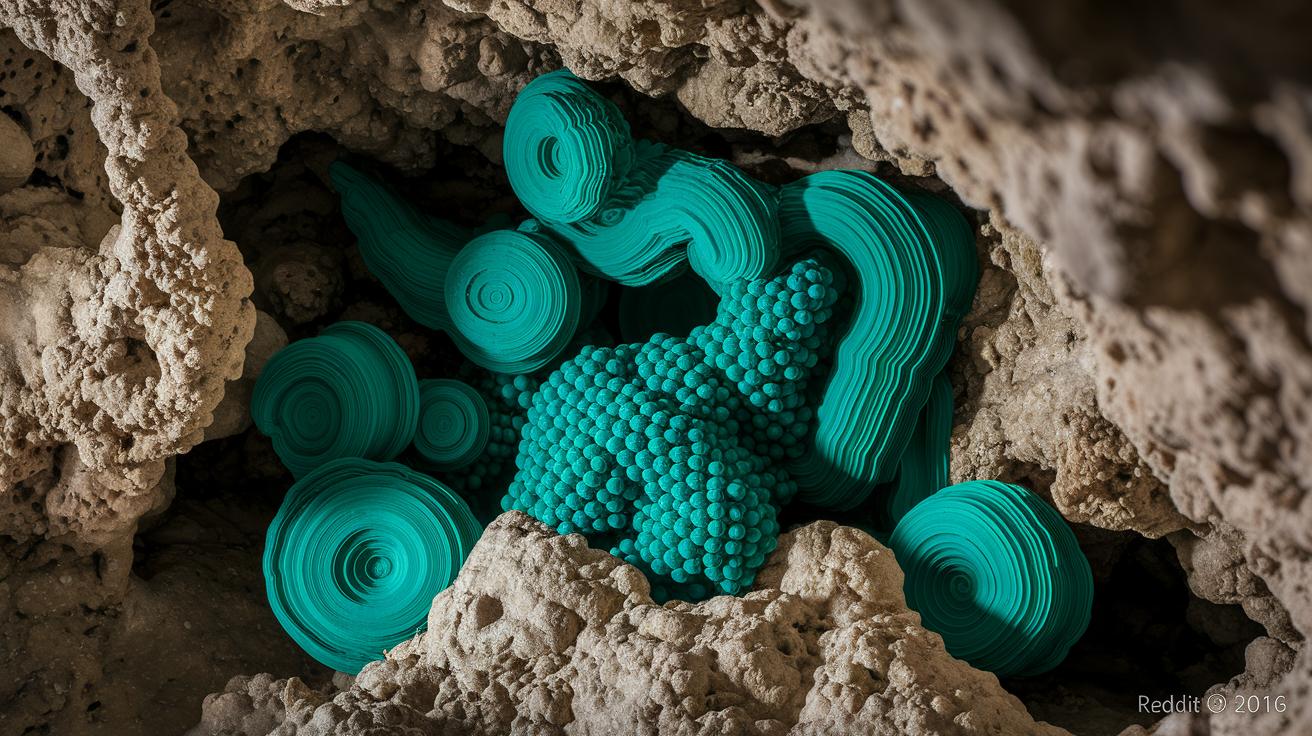
Raw malachite forms when water rich in CO₂ or copper reacts with carbonate rocks or older copper minerals. This chemical reaction creates new copper carbonate, leaving behind unique green swirls and patterns. Sometimes, the mineral appears as rounded clusters that look like grapes, while other times it forms drip-like stalactites or tight, layered clusters.
• The reaction occurs when CO₂-rich or copper-infused water meets carbonate rock.
• Chemical changes depend on temperature, pressure, and other minerals present.
• No two samples of raw malachite look the same because local conditions vary.
Local chemical conditions drive the formation of this mineral. When copper-bearing water meets rock, it slowly alters the rock’s makeup and produces fresh copper carbonate. The reaction is sensitive to factors like temperature and pressure and can result in different textures and colors in each piece.
Major mining regions such as the Democratic Republic of the Congo, Namibia, Russia, and the American Southwest are known for raw malachite deposits. In these areas, the right mix of copper and water chemistry not only creates an eye-catching mineral but also makes malachite a sought-after resource for collectors, jewelers, and artisans.
Mineralogical Properties of Raw Malachite
Raw malachite is a naturally green stone made of copper carbonate hydroxide. It rates 3.5–4.5 on the Mohs hardness scale, so it’s quite brittle and needs careful handling during cutting and polishing.
• Stone resists fading under sunlight, keeping its stable green hue.
• Often found with azurite; sometimes, azurite crystals are replaced by malachite while keeping the original crystal shape.
• This unique occurrence helps collectors confirm the stone’s authenticity.
These features make raw malachite a favorite for both decorative pieces and functional uses among gem enthusiasts and artisans. The mineral's exact composition and behavior under sunlight provide clear guidelines for proper identification and processing.
Identifying Patterns and Varieties in Raw Malachite
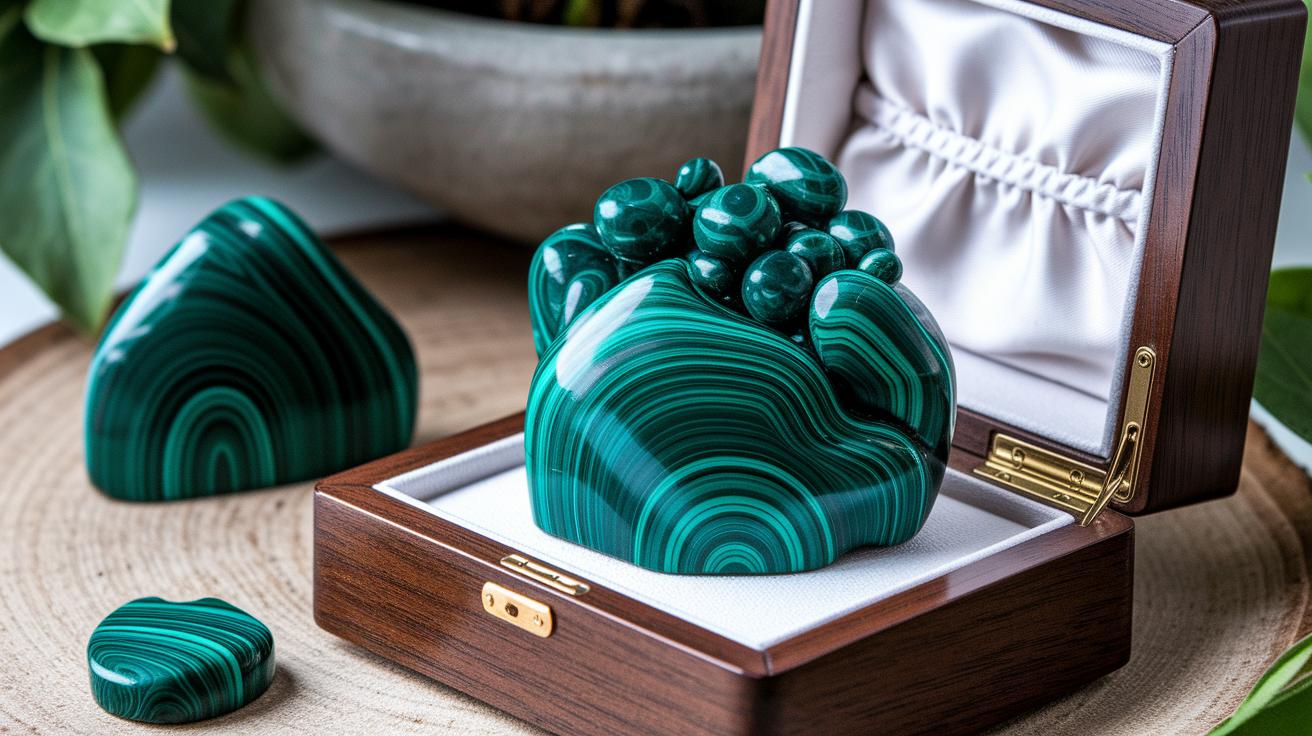
Raw malachite shows different textures that affect its market appeal and authenticity. The stone appears in several forms such as smooth, rounded clusters, drip-shaped formations, and groups of fine, needle-like crystals. Its color bands shift from deep forest green to lighter mint shades because of its natural chemistry.
- Rounded clusters often signal a high-quality, uncut piece.
- Drip-like shapes suggest a slow, natural build-up.
- Even, clear banding helps verify the stone's authenticity in collectible pieces.
Handling, Safety, and Care for Raw Malachite
Working with raw malachite releases toxic copper dust, so always use a well-ventilated area and proper protective gear. Wear certified respiratory protection and safety goggles to reduce inhaling harmful particles. Keeping the stone wet while cutting or grinding helps bind the dust and minimizes airborne exposure.
- Use wet processing methods to lower dust levels.
- Avoid ultrasonic or steam cleaning to prevent stone damage.
- Steer clear of acidic cleaners, as they can harm both the surface and structure.
For jewelry or decorative pieces, use protective metal settings to safeguard the stone during handling. When carving, rely on a dust extraction system if possible to further limit copper dust exposure. Clean malachite gently with a soft, damp cloth and handle it carefully to maintain its natural beauty and durability.
Sourcing and Valuing Raw Malachite
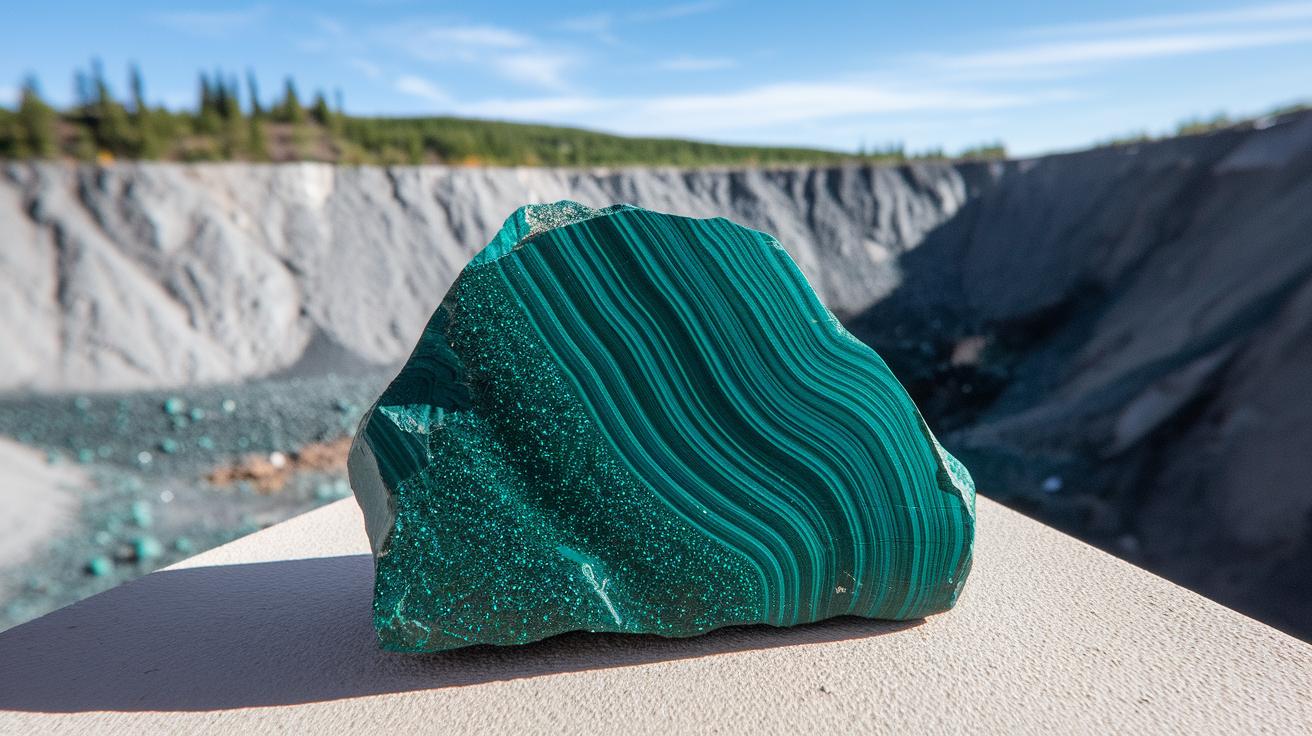
Raw malachite is mainly mined in the Democratic Republic of the Congo, Namibia, Russia, and the American Southwest. Specimens range from tiny pieces under 2 carats to large formations several feet long, each showing a unique geological history. The stone’s value depends on its size, pattern clarity, and origin, which makes market trends vary by region.
• Extraction is challenging due to uneven ore deposits and variable conditions.
• Diverse mining sites yield rare specimens that often fetch higher per-kilogram prices.
• Market prices reflect both rarity and quality, with collectors paying a premium for pieces with clear, natural patterns.
Quality malachite with distinct, swirling bands often trades at higher prices, signaling strong collectible value. Buyers and enthusiasts keep a close watch on these trends as global sourcing continues to drive interest in unrefined gemstones.
Craft and Jewelry Applications for Raw Malachite
Artisans choose raw malachite for its bright green color and natural patterns. They polish the stone into stud earrings that show off its swirling designs. Some use it in bead bracelets by mixing the organic shapes with metal accents. Others cut malachite into heart shapes or slices for pendants and cabochon settings.
Craftspeople often combine malachite with azurite or chrysocolla to create a two-tone look. Metal settings protect the softer stone in rings and other accessories, keeping it polished during daily use.
Key ideas for using raw malachite in accessories:
- Craft bead bracelets that highlight the stone’s natural swirls.
- Create polished stud earrings with bold visual appeal.
- Use malachite slices in rings for a distinctive, rugged gem look.
Artisans recommend gentle cleaning and careful handling to maintain the stone’s charm. They use protective mounts to reduce stress and keep the stone shiny. This method balances artistic design with long-lasting quality.
Metaphysical and Healing Aspects of Raw Malachite
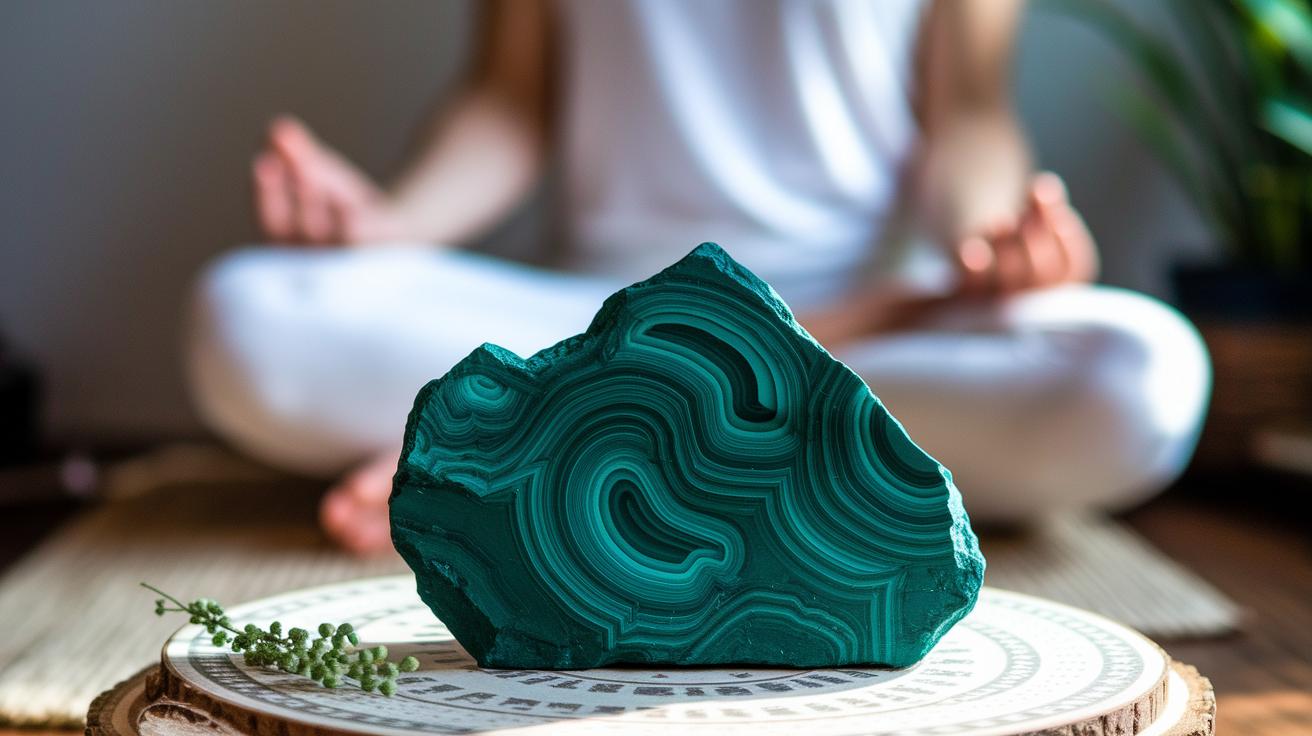
Raw malachite is celebrated for its role in personal transformation and protection. Its natural, steady green colors are thought to clear the mind and soothe the heart chakra, making it a popular choice in meditation and aura-cleansing routines.
• Used during meditation to support mental clarity and calm the mind.
• Believed to harness copper energy that repels negative vibes while nurturing a positive space.
• Aids in balancing emotional and physical energies through its connection to the heart chakra.
• Serves as a tangible reminder of personal growth and change with its earthy appearance.
You can integrate raw malachite into your everyday life by wearing it as jewelry, like pendants or bracelets, to keep its grounding energy close. Alternatively, placing a piece in your workspace or meditation area may help enhance focus and emotional stability. Artisans and healers also use malachite in various forms to create balanced, energized spaces that invite reflection and inner calm.
Final Words
In the action, raw malachite captivates with its deep green hues and swirling patterns. It serves as both a striking natural specimen and a practical choice for jewelry, carvings, and artisan projects.
We covered its formation in copper-rich environments, its mineral properties, and best practices for handling and care. These insights help clarify its value and uses for collectors and creatives alike.
Raw malachite offers a vibrant blend of beauty and functionality for any portfolio.
FAQ
Where can I purchase raw malachite?
The question highlights purchasing options for raw malachite. You can find it for sale through reputable mineral dealers, specialized gemstone websites, and at gem shows where verified sellers offer quality specimens.
What is the price of raw malachite?
Raw malachite pricing varies with size, pattern, and origin. Prices can range from individual small pieces to bulk rates per kilogram, so check current market listings for accurate figures.
Is raw malachite toxic?
Raw malachite can release harmful copper dust during cutting or polishing. It is important to use wet methods and protective gear to minimize exposure and ensure safe handling.
What are the benefits and meanings of raw malachite?
Raw malachite is valued for its striking green patterns in jewelry and carvings, and it is reputed for its protective and transformative metaphysical properties, making it both decorative and meaningful.
How can I tell if raw malachite is real?
Identify raw malachite by checking for distinct swirling green band patterns, consistent color, and proper weight. Comparing specimens and consulting trusted dealers can help confirm its genuineness.
How is raw malachite used in Final Fantasy XIV (FFXIV)?
In FFXIV, raw malachite is often used as a crafting material or trade item, serving as a resource for in-game recipes and collectible purposes based on game mechanics.