

Bond Yields Explain Your Annual Return
Bond yields show how much income you can earn each year and help you measure a bond’s risk.
• They include current yield, yield to maturity, and yield to call.
• They provide a quick snapshot of a bond’s earning power.
• They help you decide which bond fits your investment goals.
In this guide, we break down bond yields and why they matter to your portfolio.
Bond Yields: Definition and Basic Concepts
Bond yields show the annual return an investor earns from a bond’s coupon payments compared to its purchase price. For instance, a $1,000 bond paying $50 a year gives a 5% yield at par value. If you buy it at $950, the yield rises because you pay less for the same income.
• A lower purchase price boosts yield.
• Yield depends on the fixed coupon rate and the bond's current market price.
• Longer-maturity bonds are more sensitive to interest rate changes, leading to higher price swings.
Investors use yield to gauge income and risk. As market prices change with supply and demand, yields adjust, offering a quick look at a bond’s earning potential in any market environment.
what are bond yields: Clear Market Insights

Bond yields show the income you earn from a bond. They help investors decide if a bond is worth buying.
• Current Yield gives you a snapshot by dividing the annual coupon by the bond’s price. For example, a 5% coupon on a $100 bond bought at $95 yields about 5.26%.
• Yield to Maturity (YTM) calculates the total return if you hold the bond until it matures. It sets the present value of all future cash flows equal to the bond's current price, accounting for any premium or discount.
• Yield to Call measures the return if the issuer pays off the bond at the first call date. This is useful for bonds that can be redeemed early, like many municipal issues.
• Yield to Worst shows the lowest yield among all possible scenarios (call, put, or maturity). It provides a conservative return estimate.
• Market Yield uses current trading prices, while Book Yield is based on the original purchase price. Book yield is important when tracking long-term returns for tax-free municipal bonds.
• SEC 30-Day Yield standardizes yield for mutual funds and ETFs. It annualizes income from the past 30 days relative to net asset value, helping you compare funds quickly.
| Yield Type | Calculation | Main Use |
|---|---|---|
| Current Yield | Annual Coupon ÷ Market Price | Quick income snapshot |
| Yield to Maturity | Solve r in Price = Σ(C/(1+r)^t)+Face/(1+r)^N | Total return if held to maturity |
| Yield to Call | Calculation similar to YTM until call date | Return if bond is called early |
| Yield to Worst | Lowest yield among all scenarios | Conservative return estimate |
| Market vs Book Yield | Market price versus purchase price | Tracks yield volatility and long-term return |
| SEC 30-Day Yield | (30-day income ÷ NAV)×365 | Standard fund yield comparison |
Calculating Bond Yields: Formulas and Step-by-Step Methods
Basic yield methods like current yield, yield to maturity (YTM), and yield to call were covered before. Now we look at advanced factors that adjust these calculations.
Advanced methods account for irregular cash flows, embedded options, and scenario analysis. For example, callable bonds need evaluation across multiple call dates and premiums. Bonds with irregular coupon periods or floating rates require modifying the standard YTM formula to handle non-standard time intervals and reinvestment assumptions.
Key considerations include:
- Adjusting for irregular coupon payments or nonannual compounding.
- Evaluating multiple call or put scenarios to find the worst-case yield.
- Using iterative methods to capture yield sensitivity in volatile markets.
- Applying risk models for bonds with embedded options or floating-rate features.
For instance, with a callable bond that has unpredictable coupon intervals, analysts simulate various call dates to estimate the most conservative yield. This ensures the calculation reflects potential market shifts.
| Yield Type | Key Consideration |
|---|---|
| Current Yield | Coupon/Market Price |
| Yield to Maturity | Time value and standard cash flows |
| Yield to Call | Call date, call premium |
| Advanced Yield | Irregular cash flows, embedded options, scenario analysis |
- Refine calculation methods for nonstandard cash flow intervals.
- Use iterative techniques to fine-tune yield estimates amid market volatility.
- Consider advanced digital tools and risk models for more complex bonds.
Factors Influencing Bond Yields
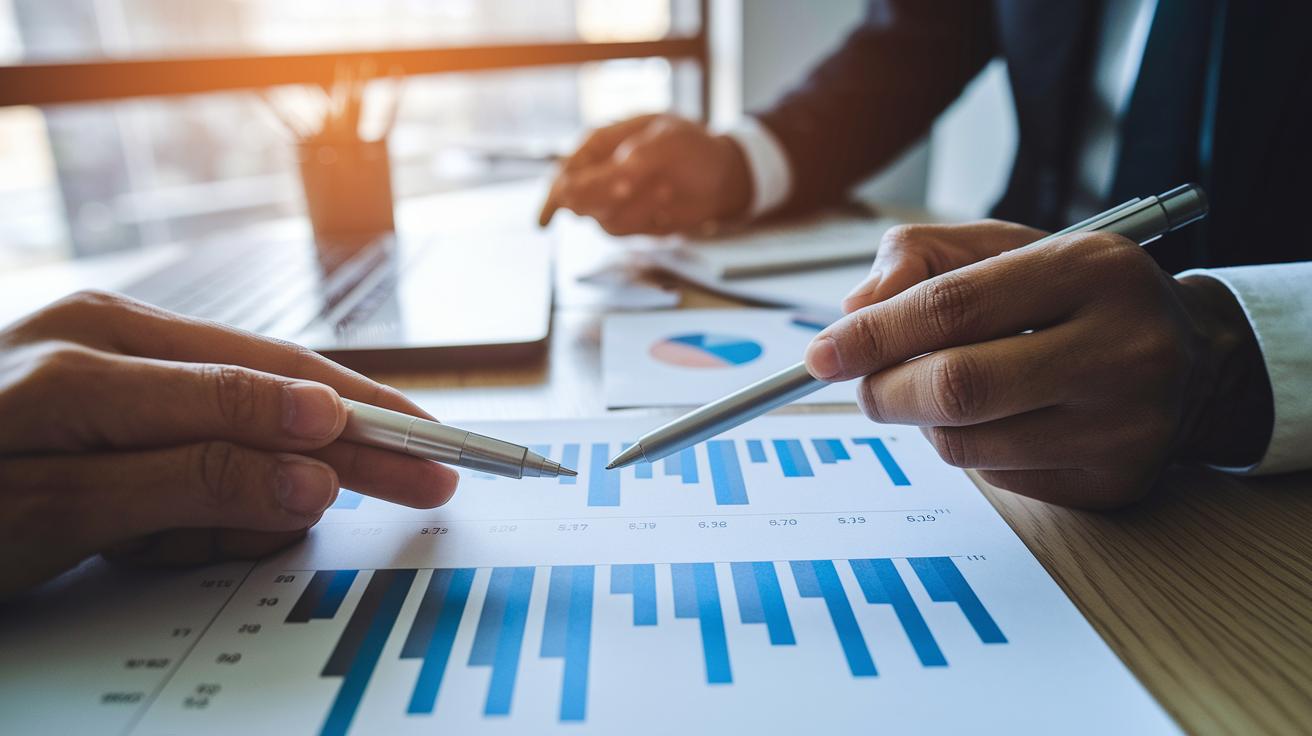
Bond yields change as issuers set the coupon rate and market forces drive prices up or down. The yield you see is affected by supply and demand, central bank moves, inflation expectations, and special bond features.
• The coupon rate sets the starting yield.
• Market shifts in supply, demand, and credit risk can change the yield.
• Higher central bank rates push new bonds to offer better returns.
• Rising inflation makes investors demand a higher yield to keep pace with falling purchasing power.
• Callable bonds may lead investors to use yield-to-call or yield-to-worst estimates.
• Longer maturities mean more price swings as yields change.
When central banks raise rates, new bonds must offer higher yields to cover increased borrowing costs. Rising inflation means money loses value over time, so investors need extra yield to protect their returns. Bonds with call options can be redeemed early, altering the potential yield calculations. Finally, bonds with longer terms tend to move more with small changes in market sentiment, making their prices more sensitive to economic shifts.
The Bond Yield Curve and Market Trends
The yield curve shows how bond yields change with different maturities. In a normal curve, short-term bonds have lower yields while long-term bonds offer higher yields, reflecting expectations for steady economic growth.
• A steep curve suggests investors are optimistic about future growth.
• An inverted curve can warn of an economic slowdown.
• Shifts between 2-year and 10-year U.S. Treasury rates highlight changing risk appetite.
• Rising short-term yields may lower the value of older bonds, though they can also boost long-term fixed income returns.
Investors often use a laddered portfolio, bonds that mature at different times, to reduce reinvestment risk. This strategy helps smooth out the impact of short-term yield swings while ensuring steady income over time. Understanding these yield curve dynamics allows investors to adjust their portfolios in line with evolving market conditions.
Using Bond Yields in Investment Strategy

Bond yields help investors pick and manage bonds. They compare yields on Treasuries, corporates, and municipal bonds to check credit risk and see how much extra yield comes with extra risk.
- Analysts look at current yield, yield to maturity, and yield-to-worst to set clear return targets.
- Comparing government bonds with corporate issues shows whether the extra risk is worth the higher yield.
- Managers watch yield spreads to detect tightening or easing credit conditions.
- Using benchmarks like the Bloomberg Barclays US Aggregate Index guides performance checks.
Investors use these measures to decide between safe government bonds and higher-yielding, riskier corporate or municipal options. Building a laddered portfolio by staggering bond maturities reduces reinvestment risk and smooths cash flows. This approach, combined with duration management, helps optimize fixed income investments.
Final Words
In the action, we broke down bond yields from the basics to advanced topics. We defined key concepts like coupon rates and detailed methods to calculate current yield, YTM, and yield-to-call. The post also explored how market trends and economic factors shape yield curves. Insights on comparing yields and building balanced portfolios add practical value. All these points help clarify what are bond yields and why they matter for your investment decisions. Keep these takeaways in focus as you refine your fixed-income strategy.
FAQ
Q: What are bond yields today?
A: Bond yields today represent the annual return from a bond’s coupon payment relative to its current market price. They change with market conditions and help investors assess income potential.
Q: What happens when bond yields rise?
A: When bond yields rise, the return on bonds increases while their market prices fall. This shift reflects higher borrowing costs and can affect the valuation of existing bond holdings.
Q: What is the bond yield formula?
A: The bond yield formula calculates yield as the annual coupon payment divided by the bond’s market price. More complex metrics, like yield to maturity, incorporate future cash flows and time-value of money.
Q: How does bond yield differ from interest rate?
A: Bond yield differs from the interest rate as yield measures the return relative to the bond’s price, while the interest (coupon) rate is the fixed percentage paid by the issuer on the bond’s face value.
Q: How are bond yields explained for beginners?
A: Bond yields explained for beginners show that the yield is the annual income from a bond based on its price. It helps explain how much cash return an investor earns per year from the bond.
Q: Why do bond yields rise?
A: Bond yields rise when market interest rates increase, inflation expectations grow, or investor demand shifts. These factors lead to higher returns offered on new bonds and adjust prices on existing bonds.
Q: Can you provide a bond yield example?
A: A bond yield example is a $1,000 bond paying a $50 coupon annually, resulting in a 5% yield. If the bond’s market price changes, the yield adjusts to reflect that new price level.
Q: Are rising bond yields good or bad?
A: Rising bond yields can be positive for new investments by offering higher returns, yet they may result in capital losses for investors holding older bonds with lower yields due to falling prices.
Q: What do bond yields tell us?
A: Bond yields reveal the income return on a bond relative to its price, offering insights into market sentiment, future interest rate trends, and risk premiums across different fixed-income investments.
Q: What does a 5% bond yield mean?
A: A 5% bond yield means an investor earns a 5% return annually based on the bond’s coupon payment relative to its current market price, indicating the income efficiency of the investment in that bond.
Q: What is bond yield in simple words?
A: Bond yield in simple words is the percentage return an investor earns each year from a bond’s coupon compared to its market price, serving as a quick gauge of income generation.