


Market Manipulation Spurs More Rigorous Research
Fake orders and rumor-driven news force investors to look for real signals. Manipulative tactics trigger quick decisions that muddy market data, pushing researchers to sharpen their methods.
• False signals from fake trades lead to rushed calls.
• Investors scramble to separate genuine trends from noise.
• Professionals refine analysis to better detect true market shifts.
These deceptive actions are driving a more rigorous approach. Researchers now rely on improved data analysis to cut through the clutter and pinpoint genuine trends. This shift means financial experts are better equipped to navigate volatile market signals and make informed decisions.
Understanding Market Manipulation: Definition and Key Concepts
Market manipulation is an illegal act where individuals try to change prices using false signals. It tricks investors by creating a wrong sense of supply or demand.
• It often involves spreading untrue details about a company.
• Manipulators post large, fake orders to simulate market interest.
• False rumors lead traders to make quick, uninformed decisions.
These strategies cause short-term price shifts that don’t match an asset’s true value. The result is unpredictable liquidity and wider bid-ask spreads, making it hard for traders to judge real market conditions. Investors need to do careful research to spot and avoid these deceptive moves.
Common Tactics of Market Manipulation in Trading
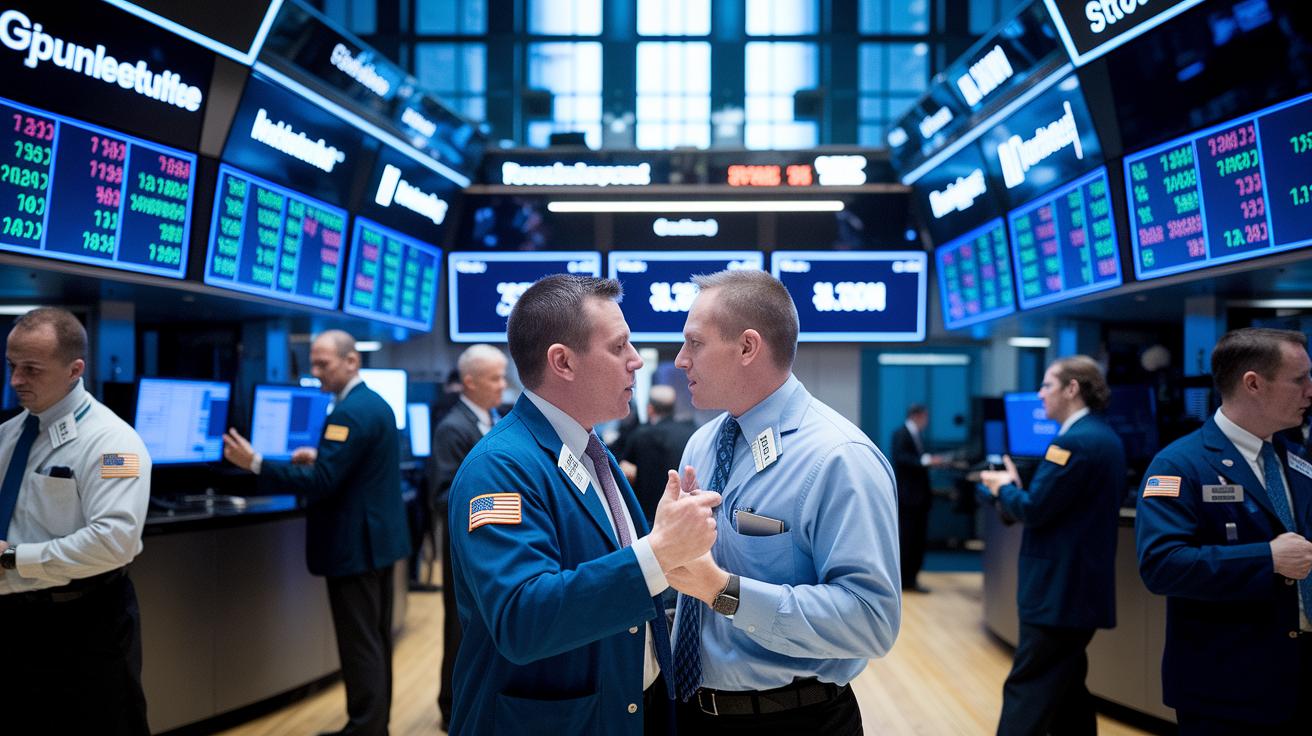
Market manipulators use trickery to sway prices and mislead traders. They create a false sense of market strength that can lure investors into making poor decisions.
- Pump-and-dump: Enter long positions while spreading overly optimistic, false news to push up prices, then sell for a profit.
- Wash trading: Execute buy and sell orders within minutes on the same asset to fake high trading volume.
- Spoofing/layering: Place large orders with no intent to execute and cancel them as prices shift, fooling others about real supply and demand.
- Marking the close: Trade near market close to influence the final trading price in a favorable way.
- Rumor-induced distortions: Circulate unverified claims that spark sudden, artificial price moves.
These deceptive practices blur true price signals and undermine fair market pricing. Each scheme aims to distort genuine supply and demand, pushing prices away from their real value. Regulators now use advanced algorithms and real-time analysis to catch these behaviors quickly and help protect investors.
Legal Framework and Regulatory Measures Against Market Manipulation
The U.S. Securities Exchange Act stops traders from faking price signals or skewing supply and demand. This law gives the SEC the power to investigate irregular trading and hit wrongdoers with heavy fines and jail sentences.
• The SEC uses advanced surveillance and algorithmic monitoring to flag suspicious trades.
• Enforcement actions have led to multimillion-dollar fines and lengthy prison terms in high-profile cases.
• Whistleblower programs encourage insiders to expose illicit behavior, boosting overall market integrity.
Regulators worldwide now work together to tackle cross-border market manipulation. They share real-time data and align their strategies to catch deceptive practices, regardless of where they occur. Global organizations also support whistleblower participation and help set unified standards, ensuring that artificial market moves face serious consequences.
| Regulator | Jurisdiction | Key Actions |
|---|---|---|
| SEC | U.S. | Fines, surveillance, enforcement |
| ESMA | EU | Coordination, oversight, regulation |
| IOSCO | Global | Standard setting, whistleblower programs |
Detecting Market Manipulation: Red Flags and Analytical Techniques
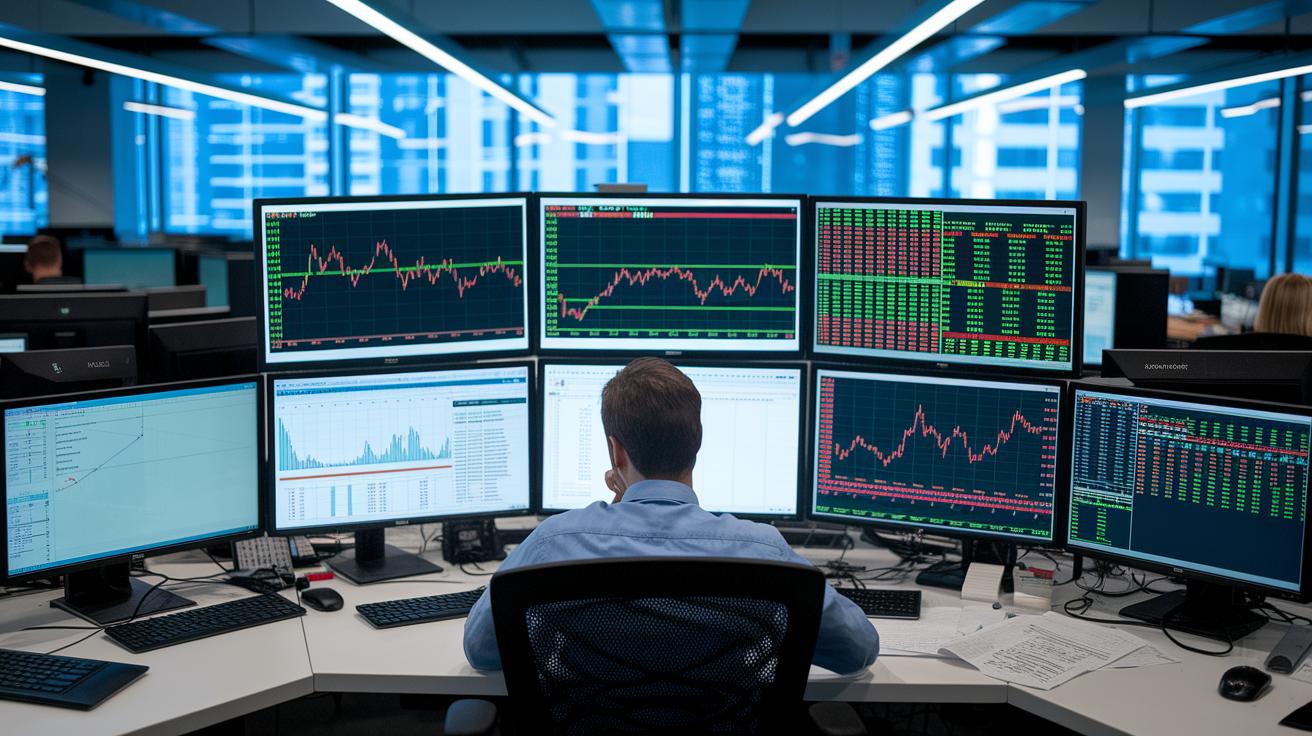
Firms and regulators now use advanced tools to catch deceptive trading fast. They watch for sudden jumps in volume or price with no news to back them up. Partial order executions and mid-day ramps can create a false sense of demand, while abrupt changes in volatility often point to engineered price moves. These techniques help professionals spot unusual activity and act quickly to keep markets fair.
Pattern Recognition and Volume Analysis
Traders monitor order book imbalances, unusual trade volumes, and high cancellation rates for signs of manipulation. They compare the speed and frequency of orders during normal trading hours to spot sudden surges that then vanish. For instance, a rush of large orders that are quickly canceled may signal spoofing. Watching these changes helps identify when price movements are driven by artificial factors rather than genuine market sentiment.
Technical Indicators and Algorithmic Monitoring
Rule-based algorithms and machine-learning systems now play a big role in spotting unusual trading patterns. These systems check for sudden shifts in price, volume, and order flow by measuring deviations from normal levels. Automated alerts based on indicators like moving averages and volatility measures add extra support when detecting false market signals. When these technical hints line up with other red flags, firms get a clearer view of possible manipulation, allowing them to respond immediately.
Notable Case Studies in Market Manipulation
One case involves a penny-stock pump and dump scheme. In this scheme, manipulators built large positions in thinly traded stocks by spreading overly positive, false information. The misleading news convinced many investors to buy in, which pushed the price higher. When the stock hit its peak, the manipulators sold their shares, pocketing roughly $5 million while retail investors were left with steep losses.
- False news can inflate prices in low-volume stocks.
- Sudden, unverified surges should be treated with caution.
Another case saw a high-frequency trader fined $67 million for spoofing in the commodities market. Spoofing, which involves placing huge orders far from the current market price without any intent to execute, created a false sense of market demand. This manipulation misled other traders, leading to real trades at distorted prices and harming genuine market participants.
- Spoofing creates a fake appearance of market interest.
- Regulatory penalties for such tactics can be severe.
Investigations in the cryptocurrency market have also uncovered wash trading. In these cases, exchanges coordinated quick buy and sell orders to inflate trading volumes and simulate strong market activity. This practice misled traders by faking liquidity and demand in the crypto market. The crackdown on these actions has led to tighter oversight and reforms.
- Wash trading falsely boosts trading volumes.
- Greater transparency is needed to protect investors.
Impact of Market Manipulation on Investors and Market Integrity
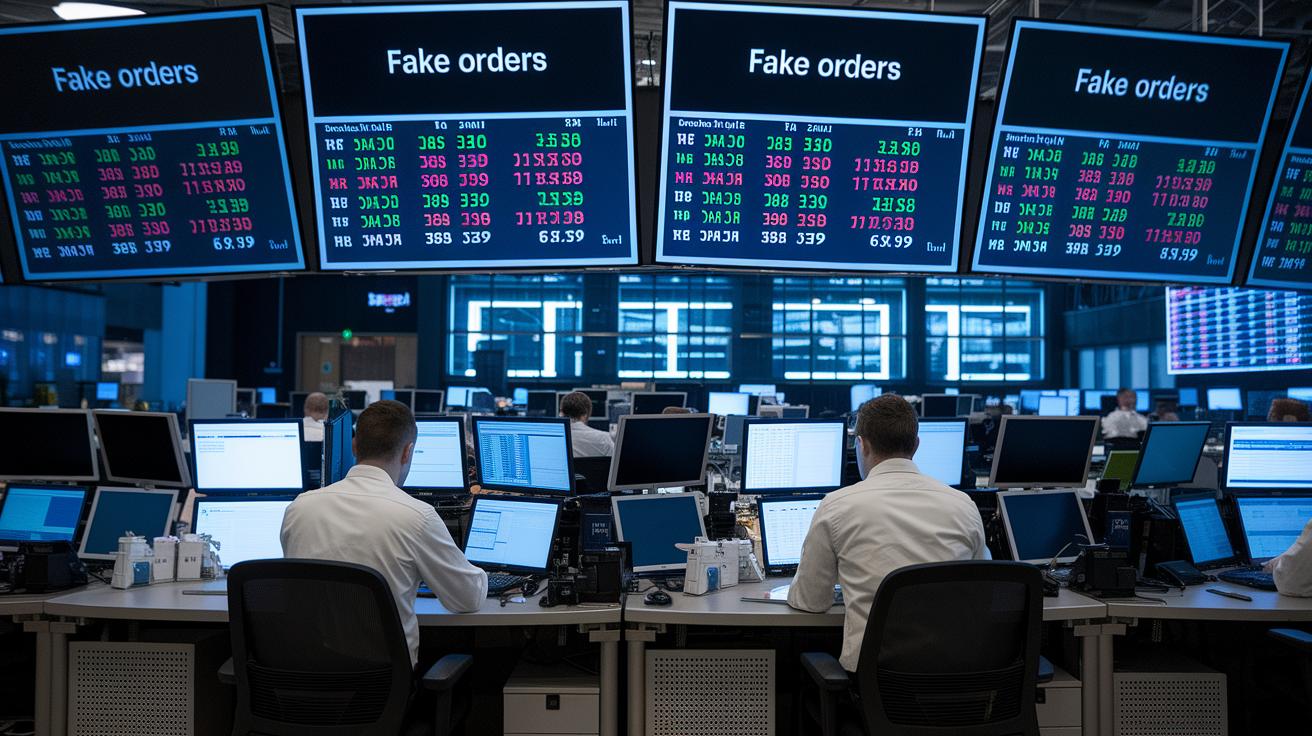
Manipulative trading practices hurt investors and weaken market trust. They use fake orders and false signals that widen bid-ask spreads, meaning retail investors, especially in penny and micro-cap stocks, often pay more. This loss of trust forces traders to pull back, leaving a thin market that becomes even easier to manipulate.
• Fake orders widen bid-ask spreads, costing retail investors clear prices.
• Sudden, sharp price drops from deceptive trading can trigger unexpected portfolio losses.
• Lower market participation leads to thinner markets and higher trading costs.
• Eroded price discovery raises risk premiums and pushes up the cost of capital.
In short, when market manipulation skews prices, investors lose confidence in the fairness of trading. This doubt makes them demand higher rewards for risk, which can shift capital away from productive uses and slow economic growth.
Strategies to Safeguard Markets and Protect Investors Against Market Manipulation
Investors can defend against manipulation by sticking to long-term strategies and doing solid homework. They avoid short-term timing and focus on fundamentals to steer clear of pump-and-dump schemes or spoofing tactics.
• Stick to long-term investments and reliable fundamentals.
• Research thoroughly and question unsolicited tips.
• Rely on proven analysis to cut through market noise.
• Check multiple trusted financial news sources before reacting.
Firms and regulators also boost market security with tech and transparency. They use smart pre-trade checks and kill-switches to block rogue trades while real-time alerts help flag irregular order patterns.
• Use technology-driven risk controls and quick-response systems.
• Monitor trading activity with real-time surveillance.
• Enhance fraud detection with strong whistleblower programs and data sharing.
These combined efforts create a safer trading environment and help maintain market fairness.
Final Words
In the action, we unpacked market manipulation, outlining its legal definition, common tactics, and detection methods.
We walked through pump-and-dump schemes, wash trading, spoofing, and key case studies that show real impact on trading conditions.
We also noted regulatory measures and investor safeguards that help protect portfolios and market integrity. With clear insights and robust examples, this guide helps you tackle market manipulation with confidence and practical strategies for detecting and countering deceptive practices. Stay sharp and positive as you navigate the markets.
FAQ
Stock market manipulation
The stock market manipulation describes deliberate tactics used to distort prices through false signals or misleading information to deceive investors and undermine free-market conditions.
What are 4 forms of market manipulation and what are the two major techniques of market manipulation?
The common forms of market manipulation include pump-and-dump, wash trading, spoofing/layering, and marking the close, which together represent key techniques used to create artificial price movements.
Is market manipulation illegal
The market manipulation is illegal, falling under securities laws such as the U.S. Securities Exchange Act, and it can attract fines and prison terms when enforcement agencies confirm deceptive trading practices.
Market manipulation movie
The market manipulation movie typically refers to films that dramatize deceptive trading practices, illustrating tactics like pump-and-dump schemes and false information spread, to highlight risks in financial markets.
Market manipulation sentence
The market manipulation sentence defines the practice as the deliberate distortion of market prices through misleading orders or false information, aimed at deceiving investors and interfering with fair market operations.
Market manipulation today
The market manipulation today remains a concern as sophisticated algorithms and fast information networks enable deceptive trading, prompting regulators to enhance surveillance and respond more effectively.
Market manipulation chart
The market manipulation chart visually displays irregular price movements, unusual volume spikes, or deceptive order patterns, helping analysts identify suspicious trading activities that may distort market signals.
Market manipulation Reddit
The market manipulation Reddit discussions involve community members sharing insights and personal experiences on suspected deceptive trading practices, offering diverse perspectives on unusual market behaviors.
Why do 90% of people lose money in the stock market?
The reason 90% of people lose money in the stock market often lies in insufficient research, emotional trading, excessive risk, and falling prey to deceptive practices that distort market signals.
What is an example of manipulative marketing?
The example of manipulative marketing is when companies use misleading claims or exaggerated benefits in advertising to influence consumer behavior without full disclosure of product limitations or risks.
What is the 3-5-7 rule in the stock market?
The 3-5-7 rule in the stock market refers to a guideline for managing risk and making trade decisions, outlining steps for entry, holding, and exit strategies, although its exact parameters can vary.