


Currency Controls Boost Trade Confidence
Governments use currency controls to keep money safe and steady for global trade.
• They separate everyday transactions from risky investments.
• These controls help maintain stable reserves and exchange rates.
• The measures shield economies from rapid capital outflows, boosting investor confidence.
By setting clear rules, governments protect market integrity and ensure smooth money flows. This approach reduces risk from high-stakes trades while keeping routine transactions free. We examine how these controls work and their role in creating a transparent, reliable global trade environment.
Currency Controls Defined: What They Are and Why Governments Impose Them
Currency controls are government rules that limit how money moves in and out of a country. They clearly separate everyday trade, like paying for goods, services, and wages, from investments such as stocks, bonds, or real estate. Governments use these limits to protect national reserves, keep exchange rates steady, and stop funds from leaving too quickly, which could upset the economy.
• They help manage national reserves.
• They balance imports and exports.
• They keep inflation in check.
• They support overall financial stability.
• They ensure countries can service their debt.
• They slow down risky speculative flows.
Both emerging and developed markets use these controls. In emerging markets, strict rules prevent rapid currency drops and build trust among consumers and investors. In developed economies, similar steps keep financial flows orderly during market stress. For instance, rules like China's SAFE regulations require separate bank accounts for everyday transactions and investments, ensuring clear funding channels that support stable economic policies and boost confidence in global trade.
Mechanisms of Currency Controls: Exchange Limits and Intervention Techniques

Governments use various tools to manage currency flows and keep exchange rates steady. They set fixed or adjustable rates, limit how much foreign currency can be purchased, and require approvals for large capital moves. These measures help control market volatility and provide central banks with a clear view during uncertain times.
• Fixed or adjustable exchange rate pegs set clear benchmarks for currency value.
• Quotas limit the volume of foreign currency purchases.
• Approval requirements ensure large transfers get central bank oversight.
• Transaction taxes and penalties discourage excessive speculation.
• Licensing and reserve ratio adjustments help regulate banks and enterprises.
| Mechanism | Operation | Country Example |
|---|---|---|
| Fixed vs. adjustable pegs | Set stable exchange rates by fixing values or allowing gradual adjustments | Argentina |
| Quantitative quotas on FX purchases | Limit the amount of foreign currency that can be bought | Argentina |
| Capital‐flow approval requirements | Require central bank approval for international transfers | China |
| Transaction taxes and penalties | Charge fees on FX trades to discourage speculation | U.S. |
| FX licensing & reserve‐ratio adjustments | Control permissions and adjust liquidity through reserve adjustments | China |
These tools boost confidence in global trade by creating a controlled and predictable currency environment. By enforcing approvals, regular reporting, and set limits, governments reduce the risk of sudden market swings. This clear framework helps companies plan international transactions and manage cross-border investments with confidence.
Currency Controls in Practice: Case Studies from Argentina, China, and the United States
Argentina has maintained strict rules on buying and selling dollars since the 2001 crisis. The country sets limits on purchases and adds a “solidarity” tax on trades in USD to help steady the peso and build foreign reserves. Political leaders now face the challenge of loosening these rules without shaking market confidence.
China runs its currency system under tight supervision by the State Administration of Foreign Exchange (SAFE). Banks must separate accounts for everyday transactions from those for investments. They also need to submit detailed pricing reports for large deals by May 31 each year. This layered reporting system keeps a close eye on money moving across borders and helps manage the risks of sudden currency shifts.
In the United States, temporary controls like FX swap lines help inject dollars during financial stress. These short-term measures smooth out market pressures when there is a rush to move money out of the system.
• Argentina limits dollar purchases with caps and taxes to stabilize its currency.
• China splits bank activities and demands pricing reports to oversee cross-border funds.
• The U.S. uses quick, temporary steps to ensure liquidity in times of crisis.
Other emerging market examples underline these approaches. For instance, Brazil started taxing capital flows in 2011 to reduce wild swings, and Ukraine set up controls after economic changes following the Soviet era. Each example shows how policymakers work to keep markets stable and protect against sudden currency moves in a linked global economy.
Economic Effects of Currency Controls on Trade, Investment, and Market Dynamics
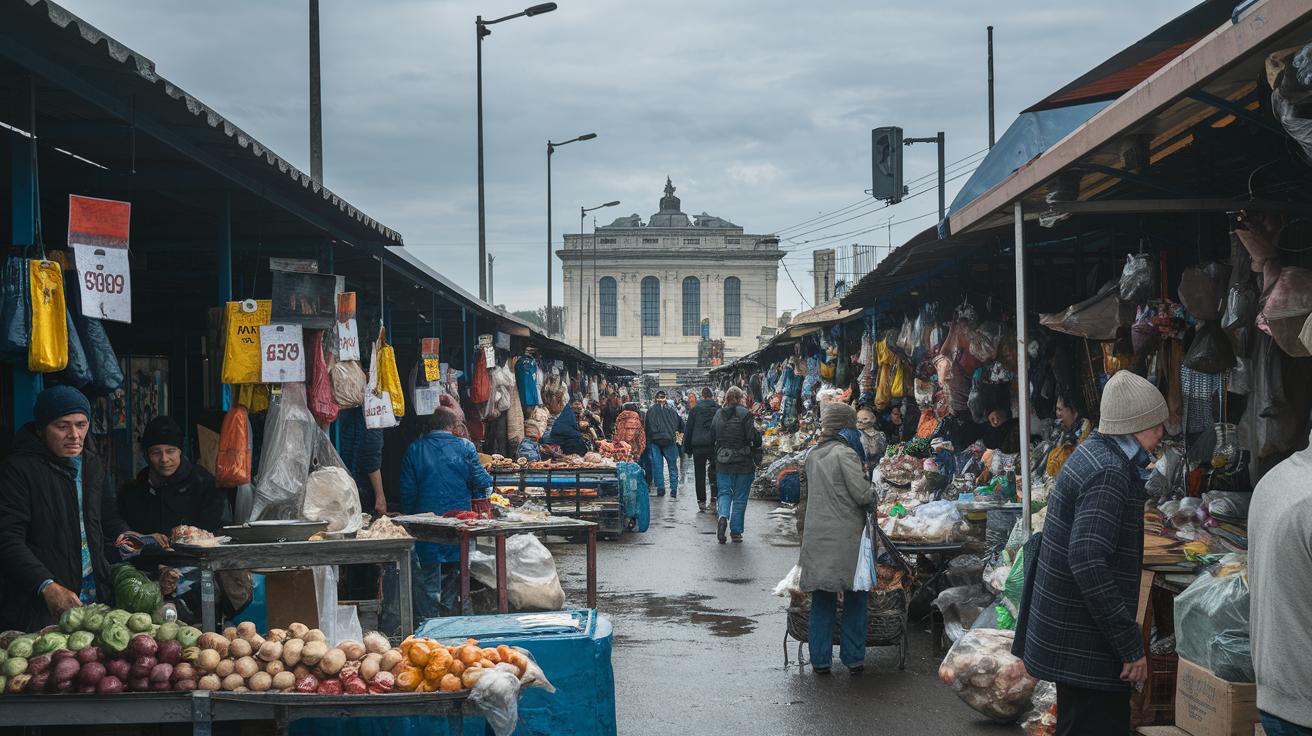
Currency controls keep exchange rates from reflecting true market values and push up the cost of capital, affecting how money moves across borders. By setting rates artificially, governments force businesses to adjust their pricing, and extra regulatory fees add to operating costs for both local and foreign firms.
When a government sets these controls, its goal is often to shrink imports and boost exports. Higher prices make foreign goods less attractive, while locally produced items gain a price edge overseas. However, sectors that depend on imported materials face rising costs that can slow production, shifting the overall trade balance.
These rules also complicate foreign direct investment. Extra reporting requirements and the need for separate transaction accounts hike administrative expenses, and studies show that FDI can drop by about 15% when companies face heavy regulation. Investors become more cautious due to potential tax changes and limits on moving money internationally.
Moreover, unofficial or black-market currency exchanges appear as traders seek better rates. These unofficial rates can be 20–30% higher than official ones, reducing market efficiency and undermining trust in the controlled system. In short, strict currency controls reshape trade outcomes and investment decisions significantly.
Digital Currency Controls: Regulation of E-Currencies and Crypto Assets
Central Bank Digital Currencies (CBDCs) use built-in automation to set limits on cross-border transfers. Projects like China’s digital yuan track transactions in real time to spot unusual activity and control digital assets. Countries such as India and Nigeria use strict licensing and KYC rules to include crypto in their currency control systems.
• Real-time transaction flags
• Geo-fencing capabilities
• Wallet limits enforcement
• Robust reporting APIs
• Smart-contract enforcement
These tools help regulators spot issues quickly and adjust controls when needed. The result is lower fraud risk and more stable markets. Faster compliance checks and clear oversight give businesses the confidence to plan international transactions. As digital payments grow, these measures will blend cutting-edge tech with strict regulation to keep both local and global markets predictable and secure.
Future Trends in Currency Controls: Coordination, Liberalization, and Reform

The International Monetary Fund (IMF) now favors a slow easing of currency restrictions while keeping protection in place amid today’s complex financial landscape. Global coordination has become key as countries work together to manage sudden capital moves during crises.
• Officials are discussing multilateral pacts to set temporary guidelines for economic shocks.
• These measures aim to quickly control rapid capital inflows or exits while maintaining flexibility.
• The coordinated approach is designed to strengthen market stability in a volatile global environment.
Debates continue on whether further liberalization or added financial resilience is best. Critics warn that a fast move toward open capital markets might expose economies to shocks, while supporters believe gradual liberalization can drive growth. This balance remains a key challenge for today’s policymakers.
Final Words
In the action, this article breaks down currency controls, explaining how governments manage current and capital account transactions, implement exchange limits, and now even regulate digital assets. It offers clear case studies from Argentina, China, and the United States to show real-world effects on trade and investment. Quick bullet points highlight economic impacts and future trends, providing a roadmap for understanding these monetary restrictions. This concise take equips traders and investors with actionable insights, leaving you with a clear path toward confident market decisions.
FAQ
What are currency controls?
Currency controls are government-imposed limits on foreign exchange and capital flows that help protect national reserves and keep exchange rates stable.
What is an example of currency control?
An example of currency control is when a government limits foreign currency purchases or taxes transactions, as seen in Argentina where monthly caps are enforced and USD transactions are taxed.
What countries have currency controls?
Countries with currency controls include emerging and developed markets such as China, Argentina, and the United Kingdom, where measures are used to mitigate capital flight and manage balance of payments.
What are the objectives of exchange control?
The objectives of exchange control involve protecting reserves, preserving exchange-rate stability, preventing large capital outflows, and reducing speculative currency movements.
What is the currency control method?
The currency control method uses tools like fixed or adjustable pegs, quantitative quotas, transaction taxes, and licensing requirements to regulate cross-border foreign exchange activity.
What was the status of currency controls in 2022?
In 2022, several nations adjusted their currency controls to address market volatility, employing stricter measures to ensure exchange-rate stability during periods of economic uncertainty.
What is a currency controls app?
A currency controls app typically offers real-time updates and data on foreign exchange regulations, allowing investors and traders to monitor policy changes and country-specific restrictions.
How do exchange controls work in the United Kingdom?
In the United Kingdom, exchange controls are less restrictive but still involve regulatory oversight on significant transactions to monitor and manage potential risks to financial stability.