
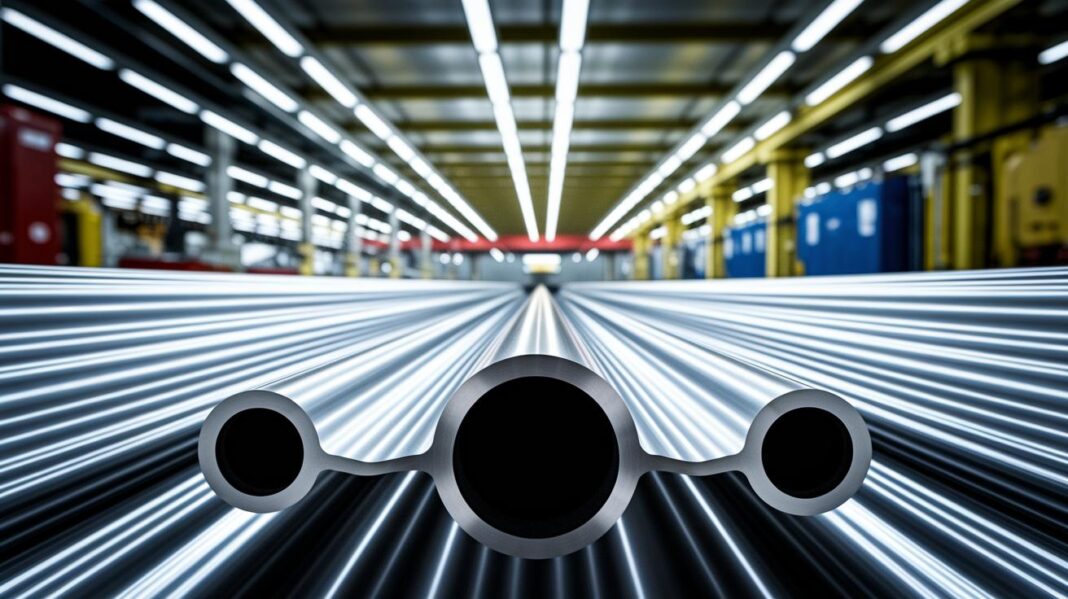

Raw Aluminum Powers Modern Manufacturing
Raw aluminum, sourced from bauxite, is a key material that modern manufacturers rely on for precision and strength. Its natural, unprocessed state provides the consistent quality essential to creating everything from delicate machine components to sturdy structural elements.
• Sourced from bauxite, raw aluminum remains unrefined until it’s needed in production.
• Its reliable properties and exact dimensions make it ideal for detailed machinery and robust structures.
• This metal transforms natural resources into the essential building blocks of industrial progress.
Manufacturers choose raw aluminum for its unmatched precision and durability. Its steady performance underpins a wide range of industrial applications, supporting the creation of high-quality parts and systems across sectors.
Raw aluminum Elevates Industrial Excellence
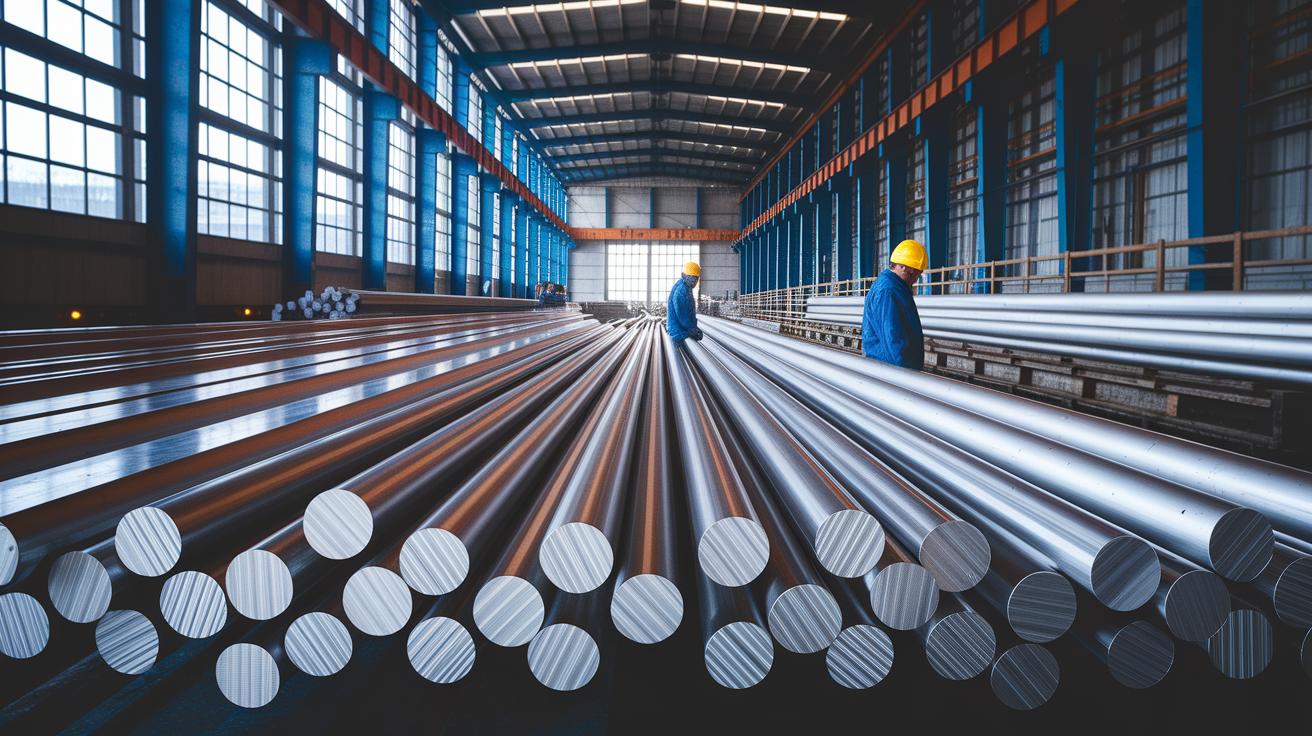
Raw aluminum is the unprocessed metal delivered in its natural form, such as slabs, bars, or rods. Manufacturers choose it for its versatility, as it holds its original properties that allow for precise machining, cutting, and finishing tailored to different industrial needs.
It is sourced from bauxite, a natural rock that contains hydrated alumina, the key compound used to produce pure aluminum. In nature, aluminum quickly reacts with oxygen to form a protective oxide layer. This reaction makes it necessary to refine and extract the metal before it can be used in manufacturing.
- Purity typically meets industry standards.
- Common impurities include iron (Fe), silicon (Si), and titanium (Ti).
- The surface is usually unpolished with a mill finish.
- Dimensional tolerances are kept within ±0.005".
Unprocessed aluminum is commonly supplied as slabs, billets, or flat bars. Each form meets strict quality and dimensional standards, ensuring reliable performance in everything from precision parts to structural components.
Raw Aluminum Production Process: From Bauxite Mining to Smelting
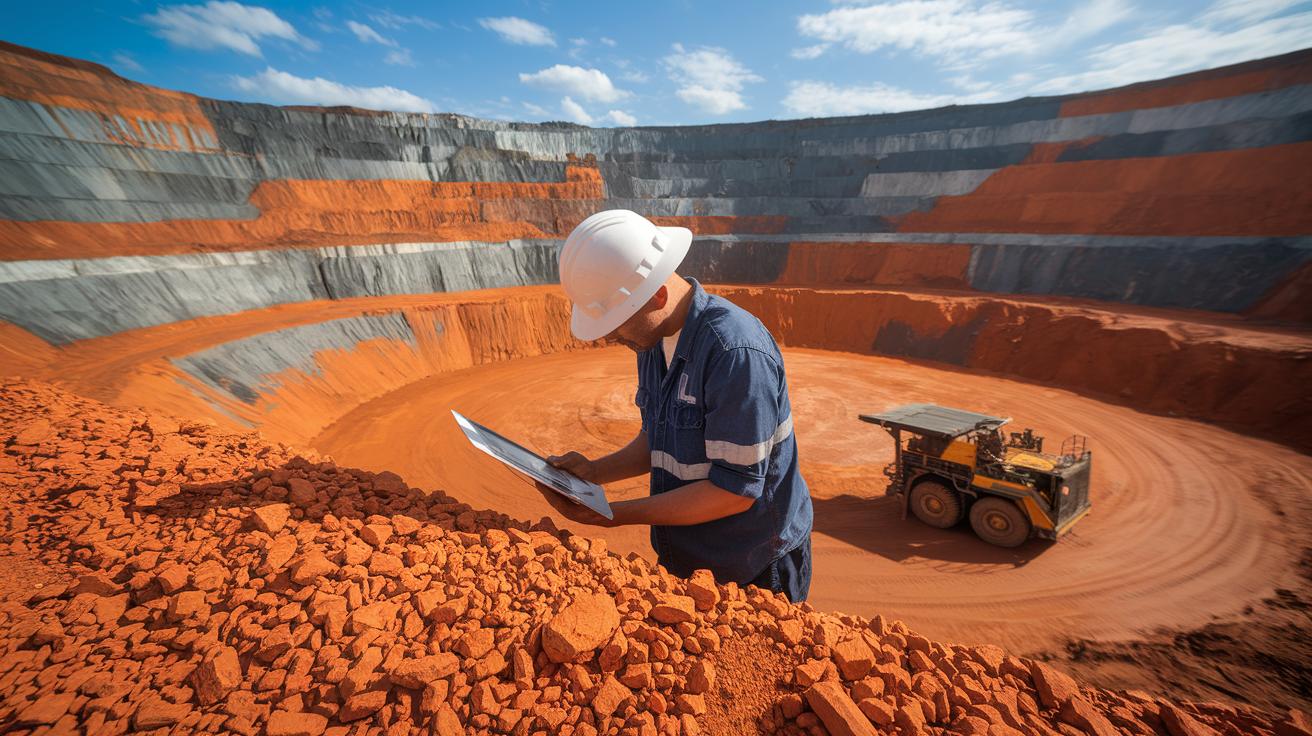
The production of raw aluminum starts with turning bauxite ore into a high-quality metal. The process follows three clear steps: mining the bauxite, refining it into alumina using the Bayer Process, and finally converting alumina into pure aluminum through smelting.
Bauxite Mining
Open-pit mining extracts bauxite from the ground. First, operators remove the topsoil to expose the deposit. They then grade the ore to confirm it contains about 50% aluminum oxide. This quality check is vital for smooth processing later on.
Alumina Production (Bayer Process)
After extraction, the bauxite ore is mixed with concentrated caustic soda and heated to 150–200 °C. This dissolves the aluminum hydrate in the ore. The solution is then filtered, washed, and dried to produce alumina, a white powder. Roughly one ton of bauxite yields about one ton of alumina.
Smelting & Electrolytic Reduction
Next, the alumina is piled in stacks and transported to electrolytic cells. Cryolite is added to lower the melting point. Then, a current of 300–500 kA is applied. This energy-intensive step produces about 0.9 ton of pure aluminum for every ton of alumina processed.
| Step | Inputs | Output Metrics |
|---|---|---|
| Bauxite Mining | Ore (~50% Al₂O₃) | 1 ton bauxite → 0.5 ton ore feed |
| Bayer Process | Ore feed + NaOH | 1 ton alumina |
| Electrolytic Reduction | Alumina + cryolite + electricity | 0.9 ton aluminum |
Physical and Chemical Properties of Raw Aluminum
Raw aluminum stands out for its low weight and high conductivity, making it a favorite in manufacturing. Its density is about 2.7 g/cm³, which means components built with it are lighter yet strong. The metal also transfers heat efficiently, with thermal conductivity of roughly 237 W/m·K, ensuring smooth cooling and effective energy flow during production.
Key points:
- Density and specific strength
- Thermal conductivity (≈237 W/m·K)
- Electrical conductivity (≈61% IACS)
- Rapid oxide layer formation (2–5 nm) that boosts corrosion resistance
- Varying surface textures (mill finish vs. as-cast)
These properties matter on the shop floor. The low density cuts down on overall weight, easing transport and installation. High thermal and electrical conductivities help maintain stability during precise cutting and welding. The quick formation of a protective oxide layer prevents corrosion, protecting the metal in tough environments. Additionally, differences in surface texture influence how much extra finishing is needed, ensuring manufacturers meet tight tolerances.
Industrial-Grade Raw Aluminum: Common Grades and Specifications
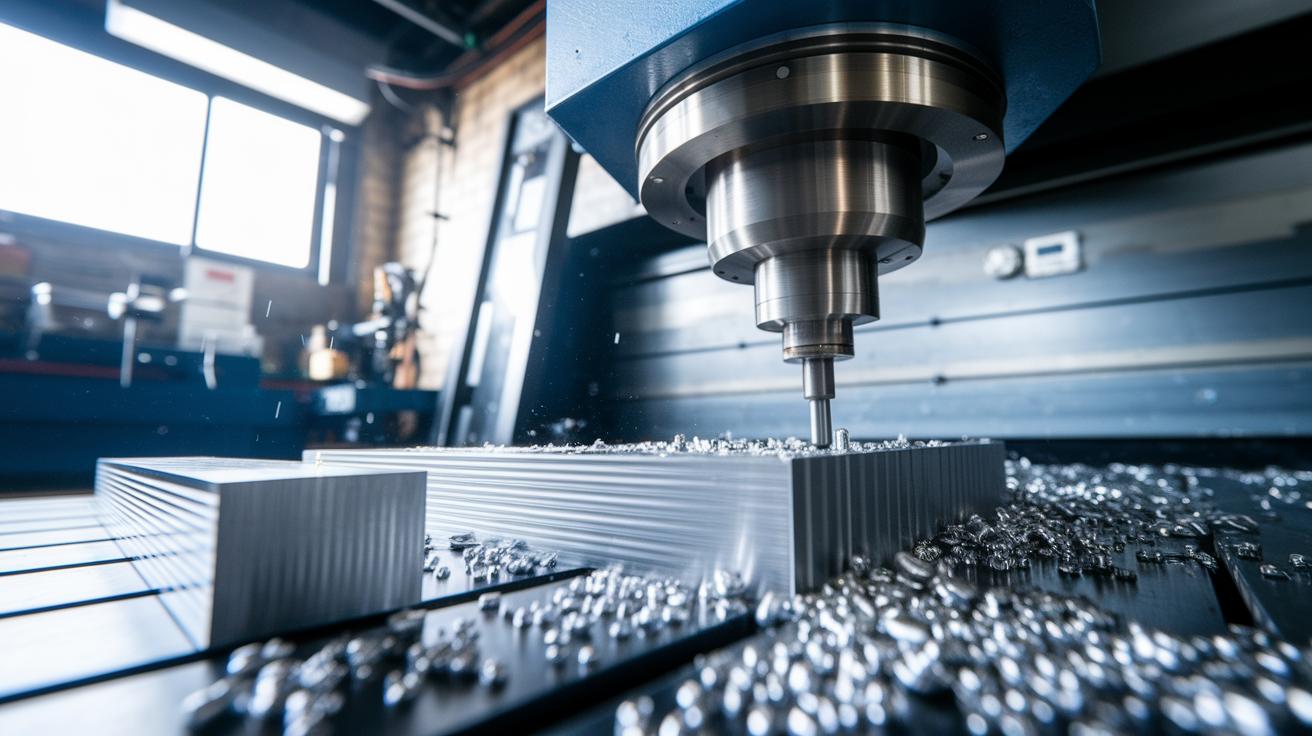
Grade 6061 aluminum is popular in industries for its solid mix of strength, corrosion resistance, and ease of machining. It supports precise CNC milling, turning, and custom prototyping, making it a top choice for creating parts used in everything from automotive components to aerospace structures.
• Widely used because of its balanced properties
• Favored for precision machining and high performance
• Available in bars, rods, and flat bars to meet strict standards
| Grade | Form | Typical Dimensions |
|---|---|---|
| 6061 bar | Bar | 1″, 2″, 3″ diameters |
| 6061 flat bar | Flat Bar | ¼” × 4″, 1/8″ × 3″ |
| 6061 rod | Rod | 0.25″–1″ diameters |
These products usually feature an unpolished mill finish. They maintain tolerances within ±0.005", ensuring accurate dimensions and consistent surface quality for high-demand applications.
Key Industrial Applications of Raw Aluminum
Aluminum is a favorite across many industries because it is both light and strong. Its ease of machining and forming makes it ideal for parts that require high precision and durability. This raw metal is a reliable choice for structures and components that need to work efficiently.
- Aerospace: fuselage skins and frames
- Automotive: chassis and bodywork
- Construction: metal panels and window frames
- Electronics: casings and thermal management components
Industries are using more raw aluminum as they adopt new energy and building standards. Electric vehicles (EVs) need lightweight, robust materials, and green building trends push for sustainable options. These shifts are expanding the role of raw aluminum in modern design and performance.
Sourcing and Procurement of Raw Aluminum
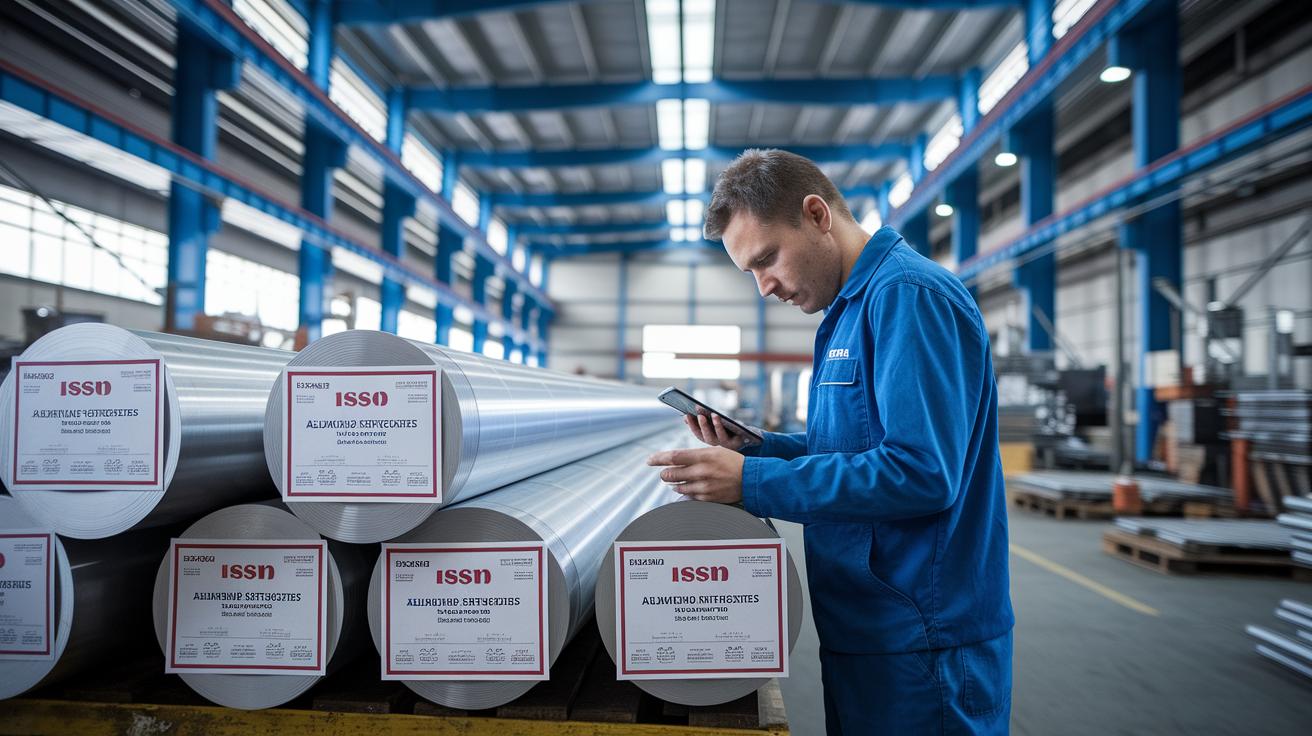
When buying raw aluminum, check that your suppliers have the proper certifications like ISO and ASTM. Confirming these credentials helps ensure the material meets industry standards and performs as expected. Suppliers who follow certified processes show they value quality, reducing the risk of supply chain issues and making sure you get the right material for your project.
• Prepare an RFQ that clearly lists the grade, form, and dimensions.
• Confirm the minimum order quantity, lead time, and shipping terms (some suppliers offer bundles of 10 with custom lengths).
• Review all material test reports and certifications to verify the product meets quality standards.
• Arrange logistics for careful handling to minimize damage during transit.
• Plan for proper storage and corrosion prevention by keeping the aluminum in a dry, temperature-controlled environment and consider protective coatings like oil or powder coat.
Requesting extra services such as CNC cutting and CAD review can also streamline production. These enhancements adjust the aluminum to your project needs and improve production efficiency. Addressing these steps early builds a strong foundation for confident procurement in demanding industrial applications.
Raw Aluminum Pricing Trends and Cost Drivers
Raw aluminum prices adjust quickly with shifts in market supply, demand, and cost pressures. The cost structure builds from production levels, local variations in ore quality, and global trade adjustments. High electricity costs for large-scale electrolysis using cryolite and the logistics of transporting massive alumina loads add extra layers of expense.
• Bauxite purchase costs
• Electricity rates for smelting
• Transportation fees (rail, shipping)
• Alumina availability
• Smelter capacity and use
• Scrap pricing trends
Bauxite prices set the starting cost, while high energy usage for smelting drives up expenses. Transporting up to 30,000 tonnes of alumina by rail further increases handling costs. In addition, shifts in global production of bauxite and alumina create noticeable price swings. Market participants can find current per-pound and per-ton aluminum prices in industry reports and on exchanges like the LME, giving them the data needed for timely decisions.
Frequently Asked Questions about Raw Aluminum
-
What is raw aluminum and why is it unprocessed?
Raw aluminum is the metal that comes straight off the production line with little finishing. It’s delivered in shapes like bars, rods, or flat bars to give manufacturers flexibility. This basic form preserves its natural strength but usually needs additional treatments, such as heat treatment, to meet performance standards. -
How is raw aluminum produced from bauxite?
Bauxite is first turned into alumina using the Bayer Process, which involves mixing it with caustic soda at high temperatures. Next, the Hall–Héroult process converts the alumina into aluminum through electrolytic reduction, and impurities are removed along the way to ensure quality. -
Which grades (e.g., 6061) are most common and why?
Grades like 6061 and 1100 are most common. 6061 provides a strong balance of strength and ease of machining suitable for structural and precision parts. In contrast, Grade 1100 is chosen for its high ductility and corrosion resistance, making it ideal where flexibility and purity are essential. -
How do I source and specify dimensions for a quote?
When requesting a quote for raw aluminum, include the specific grade, form, and exact dimensions you need. Also, list any tolerance ranges and required surface finishes to ensure the supplier meets both the technical and quality standards. -
What major factors drive the price of raw aluminum?
The price is driven by extraction costs from bauxite, high-energy smelting operations, and transportation fees. Global market demand, supply chain issues, and currency shifts can also influence the price.
Final Words
In the action, this post broke down raw aluminum’s journey from bauxite ore to a tradeable industrial metal. It covered the definitions, production process, physical properties, and pricing factors. We highlighted quality specs, industrial grades, and sourcing tips to help readers spot trade signals. The discussion shows raw aluminum remains a key material with clear market drivers. Embrace the insights and keep an eye on emerging trends for smart, timely moves. Stay alert and keep trading with confidence.
FAQ
What is raw aluminum and what is it called?
Raw aluminum is unprocessed aluminum metal taken directly from mined bauxite. It is often simply called primary aluminum, representing the elemental form before any alloying or finishing processes.
How is raw aluminum produced from its ore?
Raw aluminum production begins with bauxite ore mining, followed by chemical treatment (Bayer Process) and electrolytic reduction to separate aluminum from impurities, yielding unprocessed aluminum metal.
What forms does raw aluminum come in, including block, sheet, and finish details?
Raw aluminum is available as blocks, sheets, rods, and billets. Its finish is usually mill-finished, with a naturally oxidized surface that gives it a distinct color and slight protective coating.
Where can I buy raw aluminum and how do I request specific dimensions?
Raw aluminum is sold by industrial suppliers and metal distributors. When ordering, provide detailed specifications such as grade, form, and dimensions to ensure the material meets your project requirements.
How much is 1 lb of pure aluminum worth and is raw aluminum safe to touch?
The price of 1 lb of pure aluminum fluctuates with market conditions and is tracked through industry reports. Raw aluminum is generally safe to handle, though its naturally formed oxide layer may feel slightly different.