


Market Liquidity Keeps Trades Smooth
High liquidity means assets turn into cash fast without big price swings.
• When many buyers and sellers are active, trades execute seamlessly.
• Stable prices lower trading costs and risks.
• Quick transactions let traders grab opportunities as market conditions change.
A liquid market helps keep trades simple, reducing surprises in price. This steady flow benefits investors and traders by maintaining clear, fair pricing even as market activity shifts.
Market Liquidity Explained: Positive Market Momentum
Market liquidity is the ease with which an asset converts into cash without causing big price swings. This matters because traders and investors need smooth, quick transactions to keep costs steady and risks low.
• High liquidity means plenty of buyers and sellers, so even large orders only move prices a little.
• Studies show that robust convertibility leads to reliable trades and stable pricing.
• Reliable price stability helps traders act fast during moments of positive market momentum.
High-liquidity assets like cash and major forex pairs (EUR/USD, GBP/USD, USD/JPY, and USD/CHF) offer fast trade execution and steady prices. On the other hand, assets such as the Turkish lira, Mexican peso, or small-cap stocks tend to have wider price movements, higher costs, and more risk. Understanding these differences helps traders adjust their positions in changing markets and seize opportunities when momentum is strong.
Factors Shaping Market Liquidity Explained
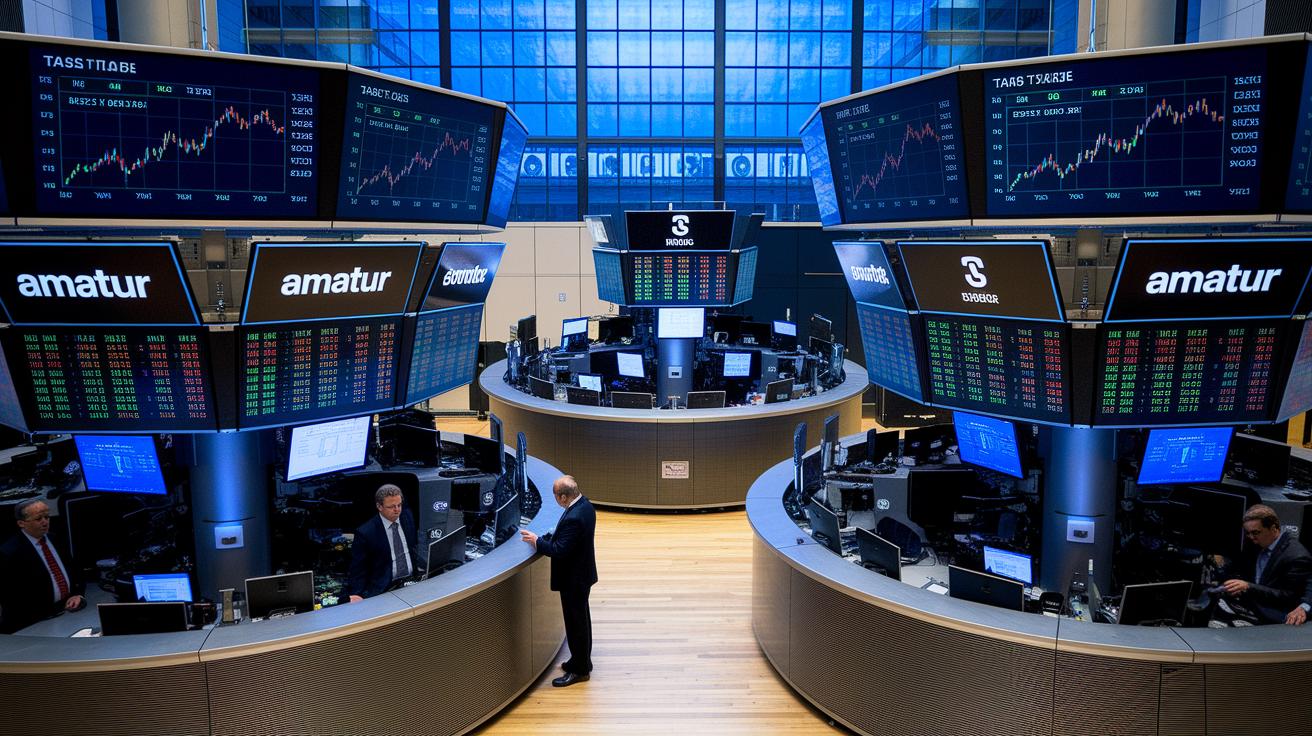
Trading volume, bid-ask spreads, order-book depth, and participant count are key to a smooth market. Higher trading volumes better match buyers and sellers, while tighter bid-ask spreads lower your trading costs. A deep order book lets big orders happen without sharp price moves, and more participants keep prices in line with current sentiment. Together, these factors create a strong market, especially when momentum is high.
- Higher volume tightens spreads and speeds up trades.
- Narrow spreads reduce transaction costs.
- A deep order book cushions against large price swings.
- More participants boost accurate price discovery.
| Factor | Description | Liquidity Impact | Example |
|---|---|---|---|
| Trading Volume | Total shares or contracts traded | Higher volume reduces spreads and speeds execution | S&P 500 futures |
| Bid-Ask Spread | Difference between the best buy and sell prices | Narrower spreads lower costs and improve efficiency | EUR/USD quote |
| Order-Book Depth | Shares available at various price levels | Deeper books allow large trades with minimal price change | Tier-1 bank order books |
| Participant Count | Number of active market players | More participants help keep pricing accurate | Exchange trading sessions |
These elements work together to support both everyday trades and big institutional orders with little fuss. For traders, understanding these dynamics is key to spotting liquidity conditions and adjusting strategies for better execution. Keep an eye on volume, spreads, order-book depth, and participant trends to stay ahead in the market.
Understanding Liquidity Providers in Market Liquidity
Liquidity providers keep markets steady by always offering both buy and sell prices, ensuring smooth trades even when trading volumes spike.
• They narrow bid-ask spreads so both small and large orders get executed quickly.
• Top banks like Barclays, Deutsche Bank, Morgan Stanley, and Goldman Sachs add deep pools of capital and modern tech.
• Market makers and brokers post regular orders, reducing trading friction for all investors.
• High-frequency trading firms use fast algorithms to match orders instantly.
These players help moderate sudden price moves by absorbing big trades without causing large swings. Their continuous quotes and real-time monitoring mean that even rapid market shifts see quick execution. This stable setup benefits both institutional and retail investors by keeping trade prices reliable during volatile periods.
Technology’s Influence on Market Liquidity Explained

High-frequency trading firms use lightning-fast algorithms to profit from small price gaps. Their systems process data in milliseconds, placing or adjusting orders almost instantly. This speed helps keep bid-ask spreads tight, even when the market moves quickly, which is key for maintaining smooth trading for larger players.
Automation and AI-driven systems add extra speed by using real-time data to tweak orders as market conditions change. These methods reduce human error during hectic trading periods. However, the same tech brings risks like outdated systems and cyber threats. Firms must update their platforms constantly to avoid gaps and keep liquidity stable. Meanwhile, robust trade monitoring helps stop spoofing and fraud, ensuring a fair, secure trading environment.
Managing Liquidity Risk in Financial Markets
When markets have low liquidity, bid-ask spreads widen and trading costs rise. Large orders can shift prices against you, and fewer traders make it hard to buy or sell quickly. This exposes you to unexpected losses during volatile periods.
• Prices change fast, increasing costs.
• Fewer market players lead to slower position updates.
• Even small errors can trigger bigger losses when markets are unstable.
Traders handle these risks with simple techniques. They set stop-loss orders to limit losses and size positions carefully to avoid too much exposure. Recognizing liquidity zones, where there is enough market depth, helps in planning entries and exits. Real-time order-book data and heatmap insights alert traders to shifts in liquidity, allowing for on-the-fly adjustments that smooth out execution.
Adapting strategies as liquidity changes throughout the day is key. By watching real-time data, traders can modify their approaches and protect their positions in fast-moving markets.
Measuring and Monitoring Market Liquidity Explained
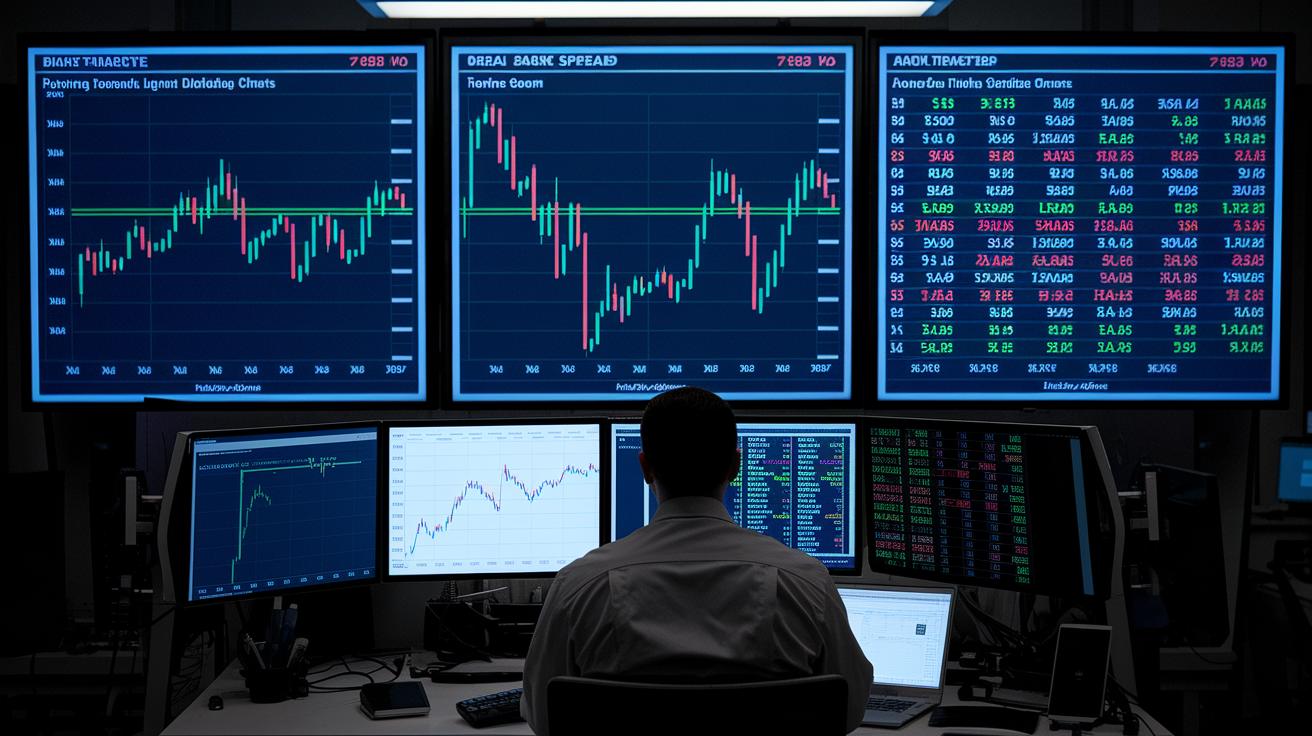
Real-time liquidity data is a must-have tool for traders. It shows how fast and smoothly assets change hands. Monitoring metrics like bid-ask spread, trading volume, market depth, and transaction speed gives you a clear view of current market conditions.
• Bid-ask spread shows the cost to buy or sell.
• Trading volume indicates how active the market is.
• Market depth reveals the number of shares available at different price levels.
• Transaction speed measures how fast orders fill.
| Metric | What It Measures | Why It Matters |
|---|---|---|
| Bid-Ask Spread | Cost to enter/exit positions | Shows direct transaction costs |
| Trading Volume | Number of shares/contracts traded | Indicates market interest and depth |
| Market Depth | Quantity available at price levels | Reveals the market’s capacity for large orders |
| Transaction Speed | Time to execute an order | Affects slippage and order fill reliability |
Using live order-book feeds and volume heatmaps, traders can instantly spot shifts in capital flow and volume trends. This data helps you adjust your trading strategy quickly, making sure orders fill efficiently even when market conditions change during the day.
Final Words
In the action, we broke down the core definition of market liquidity, detailed factors influencing trade flows, and reviewed the roles of liquidity providers. We also addressed how technology shapes execution and the methods to manage and measure liquidity risk. Each section provided fast, clear insights on fluid asset principles, asset convertibility study, and price stability factors. With market liquidity explained in straightforward terms, you can spot tradeable opportunities and adjust strategies with confidence. Enjoy the clarity as you drive timely, informed market decisions.
FAQ
How is market liquidity explained in simple terms, including its role in forex and PDFs?
Market liquidity is described as the ease of buying or selling an asset without causing major price shifts. In forex and PDFs, it explains how active markets like major currency pairs ensure quick, stable trades.
What are market liquidity indicators?
Market liquidity indicators refer to measures such as trading volume, bid-ask spreads, market depth, and transaction speed. These metrics help traders assess transaction costs and the speed of trade execution.
What does a liquidity trading strategy PDF typically cover?
A liquidity trading strategy PDF outlines methods that use liquidity metrics and order-book data to identify optimal entry and exit points, aiding traders in managing execution costs.
What are the types of liquidity in trading?
The types of liquidity in trading range from high liquidity, where constant buyer-seller activity ensures smooth trading, to low liquidity, which features wider spreads and more volatile price changes.
What is a liquidity zone in trading?
A liquidity zone in trading identifies price areas where buyer or seller orders cluster. These zones often become key support or resistance areas, influencing price movement during trading.
What is a liquidity sweep in trading?
A liquidity sweep in trading refers to a large order consuming available orders across multiple price levels. This tactic quickly moves through liquidity, impacting price levels significantly.
How does liquidity affect day trading?
Liquidity in day trading determines how quickly positions can be opened or closed. High liquidity ensures minimal slippage, tight spreads, and efficient trade execution throughout the trading day.
What is the 7% rule in stock trading?
The 7% rule in stock trading serves as a guideline suggesting that price moves over 7% may indicate abnormal volatility linked to liquidity changes, prompting traders to adjust risk management strategies.
What happens when liquidity goes up?
When liquidity increases, assets can be traded faster with less impact on their prices. This improved environment reduces transaction costs and offers tighter bid-ask spreads.
Is it better to have high or low liquidity?
High liquidity is generally preferred as it provides efficient trade execution, lower transaction costs, and more stable prices, while low liquidity can lead to larger price fluctuations and higher costs.