


Investor Optimism Drives Prices, Then Reverses into Sell-Offs
A sudden burst of investor optimism pushes prices up even when the data doesn’t fully support it, but a sharp drop in sentiment can quickly trigger sell-offs.
• Prices rise on short-lived bullish sentiment.
• Rallies may not match underlying fundamentals.
• Quick shifts in mood can lead to rapid declines.
Traders often let excitement override solid analysis. A brief surge in confidence can drive prices higher, even without strong numerical backing. When optimism fades, markets can turn unpredictable as sell-offs accelerate. Recognizing these trends helps investors spot shifts early and manage risks more effectively.
How Investor Behavior Shapes Market Trends and Volatility
Investors act on basic instincts that drive market moves. They often mimic what others do, a behavior known as herd behavior. This natural tendency, rooted in our survival instincts, can push asset prices in one direction rapidly.
• Investors copying each other can trigger quick price swings.
• Emotions like fear and optimism often override hard data.
• Biases like overconfidence lead to extra, sometimes risky, trading.
Investors sometimes buy or sell based on gut feelings rather than solid fundamentals. A rush of optimism can spark a buying spree, boosting prices even when the data isn’t clear. Conversely, fear can trigger fast sell-offs that knock prices down.
These patterns lead to volatile markets where prices often swing sharply. When optimistic moods take over, prices can spike, only to fall as investors reassess risks. In shaky market times, herding behavior intensifies and quick reversals become common.
Understanding these behaviors helps traders and investors spot trends, manage risk, and plan their next moves confidently.
Impact of Investor Behavior on Market Dynamics: Optimism
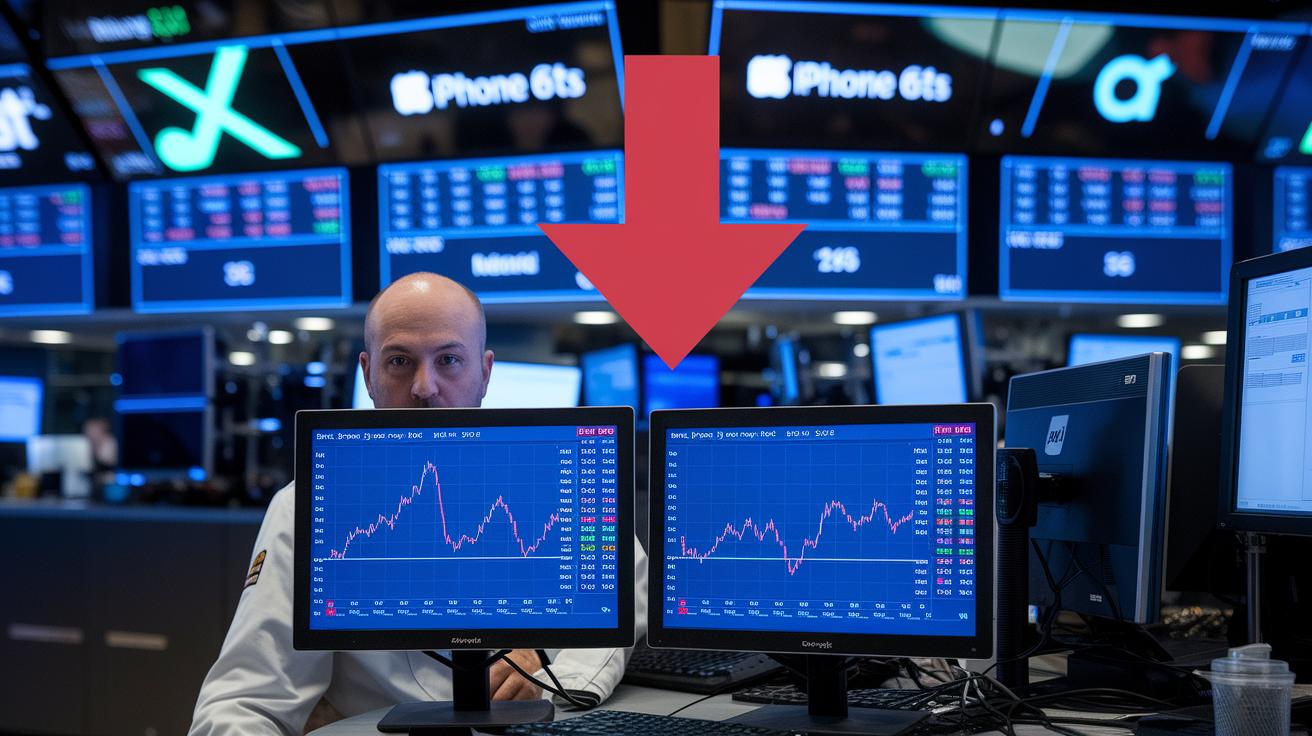
Investors often rely on Prospect Theory and loss aversion. In simple terms, losses hurt more than gains feel good. When markets look promising, traders tend to ignore downside risks and focus on potential gains. This shift can spark heavy buying, pushing prices higher even if fundamentals don’t fully support the move.
Many investors also depend on quick mental shortcuts. When they see recent gains, they grow overly confident and underestimate risks. Tools like MaxDiff and AHP break down these behaviors, showing how overconfidence can lead to more trading and increased volatility when sentiment shifts.
- Confirmation bias: Favoring info that backs a bullish view.
- Anchoring bias: Sticking to initial positive signals.
- Availability bias: Overemphasizing recent gains.
- Overconfidence bias: Underestimating risks after wins.
- Recency bias: Relying too much on the latest performance.
Empirical Evidence of Investor Behavior Influences on Market Volatility
Research indicates that investor emotion and herd behavior can drive significant market swings during stressful periods. A 2009 study by a national economic research institute revealed that correlations among markets rose sharply during crises when investors acted in unison without a clear signal. This study shows that even when optimism is based on partial facts, it can increase market instability.
• A 2009 study noted marked increases in market correlations during crises.
• Group behavior without centralized coordination can shift prices significantly.
• Additional research confirms that overreactions and rapid changes in risk appetite can intensify market moves.
Other studies, using various methods like statistical tests and behavioral experiments, support these findings. They show that when investors mimic one another, price reactions can stray from traditional pricing models. This body of work quantifies the role of investor behavior and highlights how collective shifts in sentiment contribute to volatile market conditions.
| Study | Methodology | Crisis Period | Sample Size | Key Findings | Volatility Measures |
|---|---|---|---|---|---|
| Study 1 | Statistical Correlation | 2008-2009 | 5000+ | Increased correlations | High volatility |
| Study 2 | Behavioral Experiment | 2007-2008 | 3000+ | Overreaction to news | Sharp price swings |
| Study 3 | Data Analytics | 2009 | 4500+ | Mimicry effects observed | Elevated volatility |
| Study 4 | Neurofinance | 2010 | 2000+ | Emotional bias impact | Volatility spikes |
| Study 5 | Survey Analysis | 2008 | 3500+ | Herd behavior correlation | Consistent volatility |
| Study 6 | Market Simulation | 2007-2009 | 6000+ | Group decision effects | Variable volatility |
Risk Aversion, Herd Mentality Effects and Market Dynamics Impact

Investors tend to focus more on avoiding losses than on gaining profits, and they often mimic each other’s actions. Even small sensory cues like the weight or color of a product can steer opinions, pushing prices based on emotion rather than solid data.
A minor negative signal can spark a widespread sell-off, while a slight positive hint may trigger rapid buying. When combined with algorithmic trading, these behaviors can speed up market moves during times of high volatility.
- Media headlines emphasizing dramatic news can drive rapid sell-offs.
- Social media trends sway investor sentiment quickly.
- Earnings announcements often bring noticeable volatility.
- Market rumors lead to swift changes in pricing.
- Regulatory updates can heighten uncertainty.
- Earnings surprises prompt quick trading reactions.
- Algorithmic trading further accelerates these shifts.
Effects of Investor Actions on Liquidity and Price Discovery
Investor emotions trigger unpredictable market shifts. When fear or excitement takes hold, traders hesitate to post firm orders, and market makers widen bid-ask spreads. This leads to fewer matching orders, thinner market depth, and higher transaction costs. Emotional trading can unbalance the order book and intensify market volatility.
During periods of stress, panic selling can spark flash crashes that quickly drain liquidity. In fast declines, traders rush to exit without proper price checks, and electronic systems often cancel limit orders. This behavior creates gaps in price discovery and disrupts natural market pricing.
After sharp sell-offs, contrarian investors step in to stabilize the market. They take advantage of oversold conditions by placing limit orders that help narrow bid-ask spreads and restore liquidity.
- 2010 flash crash in US equities showed how fragile liquidity can be.
- The 2008 financial crisis saw bid-ask spreads widen sharply under stress.
- European debt turmoil in 2011 led to accelerated panic selling.
- The March 2020 market drop amid COVID-19 caused rapid liquidity evaporation.
- A rebound rally in tech stocks in 2021 demonstrated contrarian flows restoring market balance.
Tools and Strategies to Mitigate Behavioral Biases in Market Participation
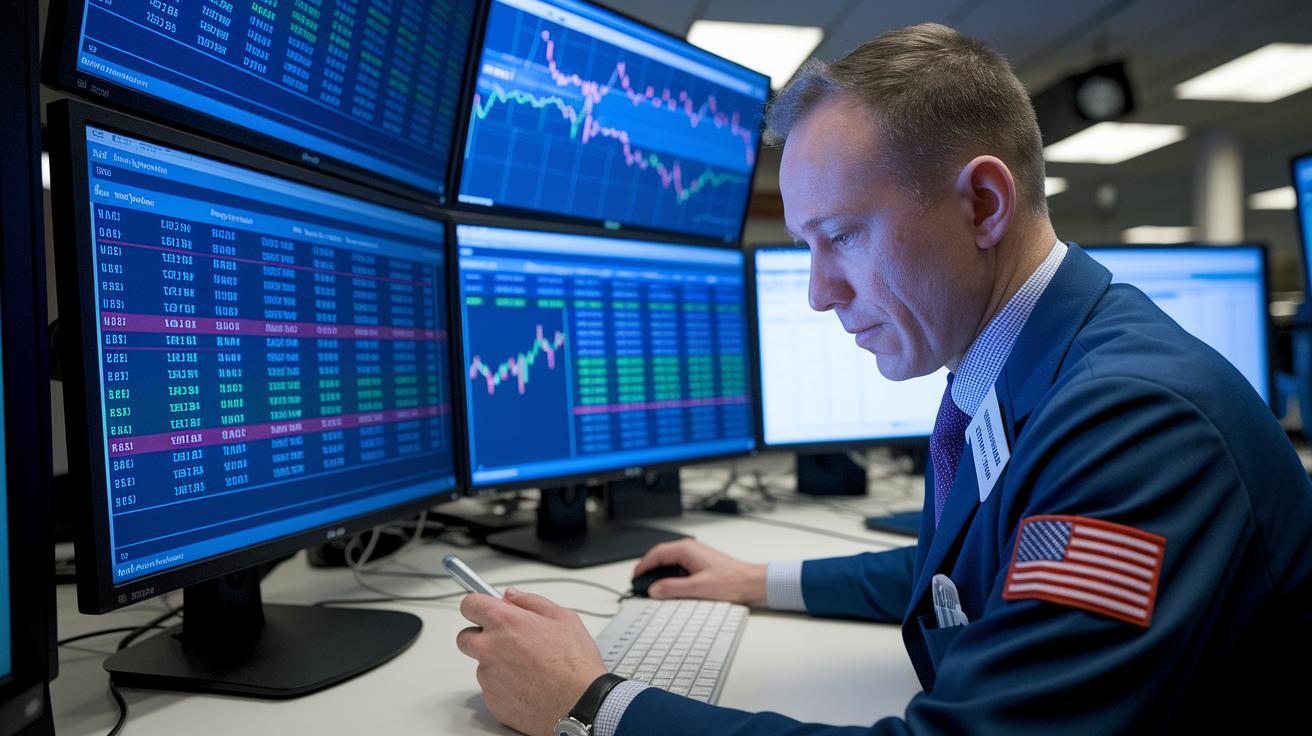
Emotions can cloud judgment and lead investors to make hasty decisions. Applying insights from various fields helps turn personal biases into clear, objective actions.
• Price signals are checked with a pre-trade checklist to confirm decisions.
• Algorithmic screens track trading patterns and flag bias-prone moves.
• Decision-support systems offer real-time comparisons against set benchmarks.
• Behavioral risk assessments measure how biases may affect portfolio risk.
• Post-trade reviews pinpoint errors and guide future strategy improvements.
• Ongoing training keeps traders updated on best practices for managing pressure.
These tools ensure that trading decisions stem from careful analysis rather than momentary feelings.
Final Words
in the action, we explored how investor actions shape market trends and market swings.
We broke down behavioral finance theories and detailed how emotions spark herd instincts affecting liquidity and price discovery.
Empirical evidence backed these insights and pointed to practical tools to counter common biases.
These quick takeaways help you see the real impact of investor behavior on market dynamics and empower informed, confident trading.