


Investor Sentiment Signals Early Market Shifts
New data shows that traders’ fear and optimism trigger price swings even before official reports arrive.
• Prices shift ahead of hard data.
• Social chatter and mood changes hint at key market trends.
• Combining sentiment with traditional research gives a fuller picture.
Recent trends reveal that investor emotions can move markets. Traders noticing these shifts can act fast, using sentiment analysis to anticipate changes and boost confidence in their decisions.
Market sentiment: Boosting Financial Optimism
Traders' emotions steer market moves as sentiment analysis highlights shifts between bullish optimism and bearish caution. This method focuses on the human element rather than just economic data or historical price trends.
• Prices react to confidence and fear.
• Social media buzz can drive stock gains even when traditional numbers are mixed.
• Merging sentiment insights with classic research helps spot early trend changes.
By tracking feelings like optimism, fear, and greed, investors capture market shifts that technical numbers might miss. Confidence tends to push prices up, while fear often triggers quick selling, leading to sudden changes. Monitoring news and social chatter provides a clearer picture of market mood, allowing traders to act before trends reverse.
Integrating sentiment analysis with traditional research gives investors a more complete view. This balanced approach reduces the risks of relying solely on fundamentals or technical data and boosts overall financial optimism.
Market Sentiment Measurement: Key Indicators and Technical Tools
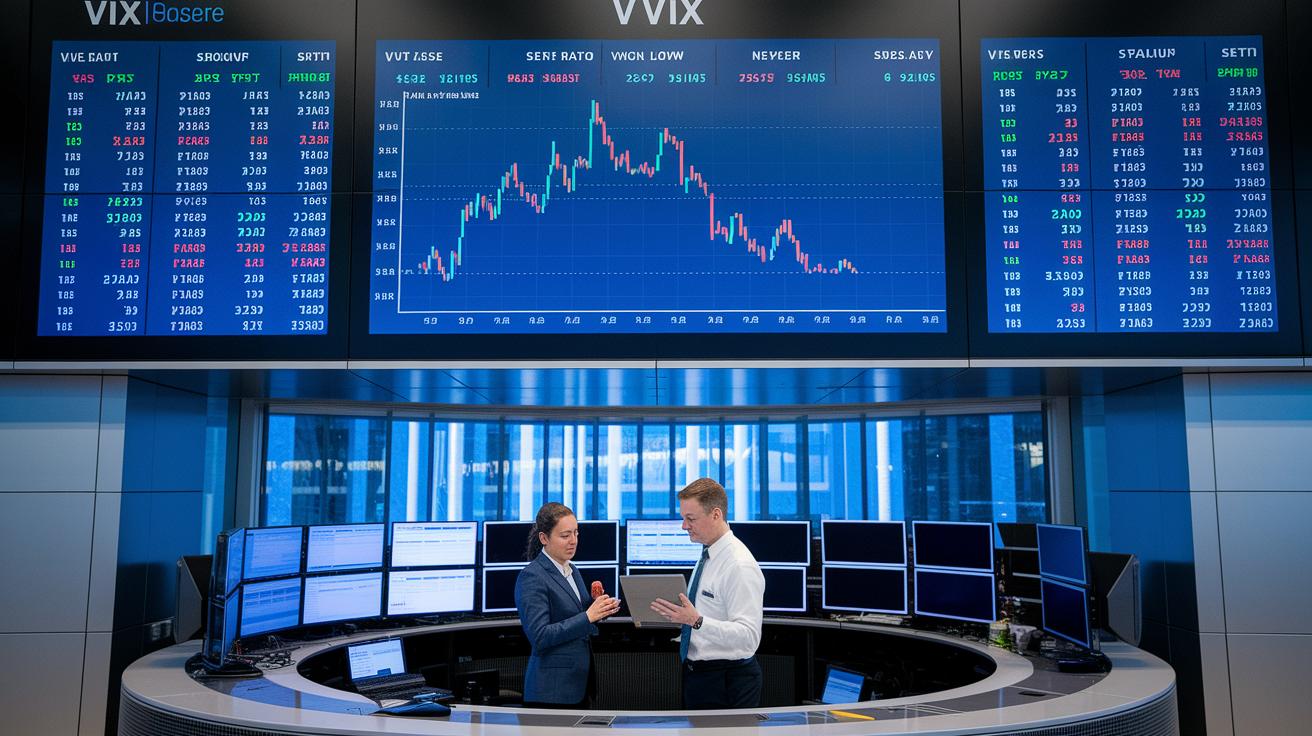
Technical tools help traders gauge market mood and act fast. We track the VIX, put/call ratios, NYSE High/Low indicator, and the 200-day moving average to spot shifts from fear to calm.
• VIX rising signals more fear.
• A high put/call ratio shows investors hedging against drops.
• A wider NYSE High/Low gap brings signs of uncertainty.
• Prices below the 200-day moving average point to caution.
Volume analysis adds another layer. Rising prices on lower volume may mean the bullish drive is fading. However, in over-the-counter forex markets, volume data might not tell the full story. Using these tools together gives a clearer view of sentiment and supports swift, informed decisions.
| Indicator | Purpose | Sentiment Signal |
|---|---|---|
| VIX | Volatility measure | Rising value shows increased fear |
| Put/Call Ratio | Options market behavior | Higher ratio signals hedging and bearish sentiment |
| NYSE High/Low | Tracks market extremes | A wide gap indicates uncertainty |
| 200-day MA | Long-term trend | Price below MA suggests caution |
| Volume Analysis | Assesses trading activity | Declining volume on gains hints at waning interest |
Market Sentiment and Behavioral Finance Signals
Investor emotions can drive fast market shifts. Traders often act on instinct, buying at high prices and selling when prices drop. These behaviors can quickly alter market sentiment, sometimes more than hard data shows.
- Fear-driven sell-offs may offer lower entry points.
- Greed-fueled rallies can push prices too high.
- Herd behavior can trigger sudden volatility.
- Extreme optimism may signal an upcoming correction.
Rapid news and social media boosts can turn small events into major market moves. A single headline might spark widespread fear or greed, leading to abrupt shifts in investor behavior.
Tracking these signals helps spot short-term trends. Fear may force quick exits from positions, which can create buying opportunities. On the flip side, surges in optimism might push prices into unsustainable territory. Combining behavioral insights with technical and fundamental data can improve strategy and help anticipate market reversals.
Integrating Market Sentiment into Trading Strategies
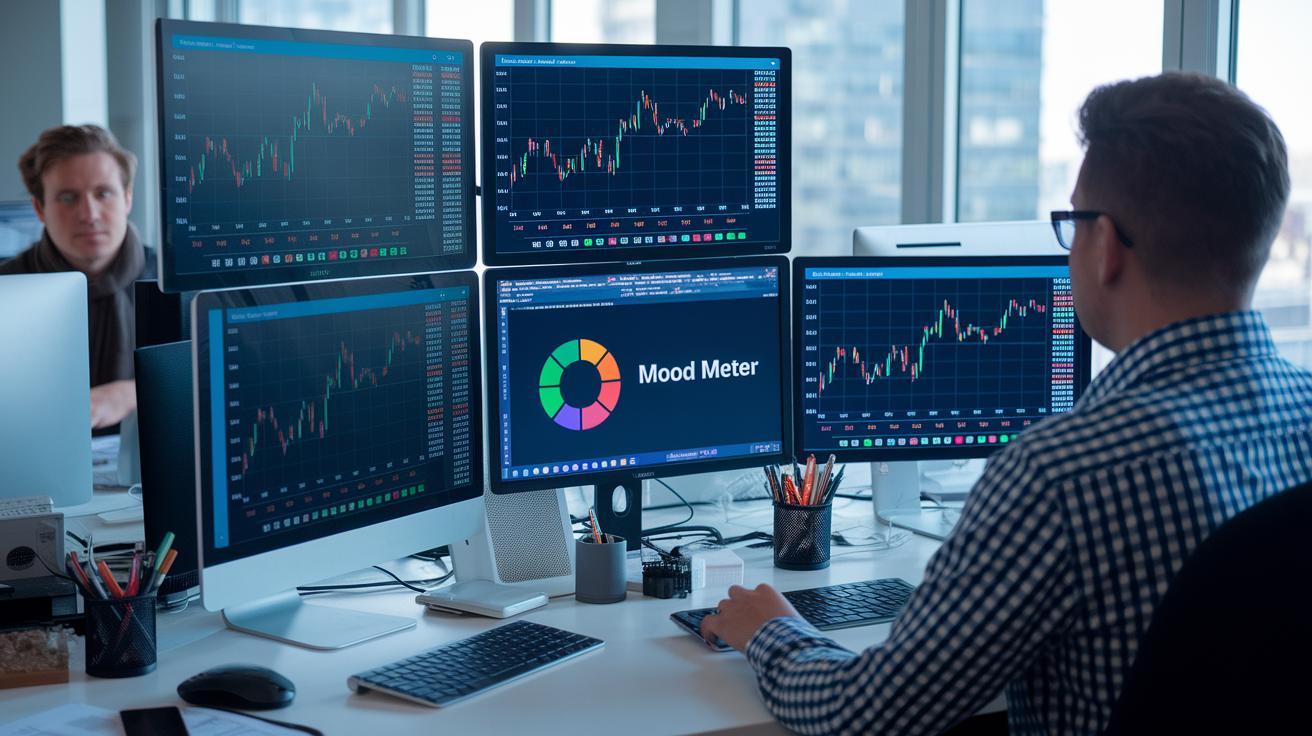
Traders now use advanced sentiment tools that blend social media chatter, news tone, and machine learning predictions to gauge market mood in real time. This method goes beyond simple measures like the VIX and adds fresh, actionable insight to traditional technical and fundamental data.
• Day traders use these signals to pick short-term moves, with one case noting a 12% jump in bullish social posts that led to an intraday position.
• Long-term investors track sentiment trends over time to anticipate broader market shifts and earnings surprises.
This shift in analysis helps sharpen entry and exit timing in fast markets while offering a broader view of risk and opportunity.
Short-Term vs Long-Term Market Sentiment Trends
Short-term traders focus on quick shifts in market mood to capture fast opportunities. They watch real-time sentiment, social media chatter, and live news to decide when to buy or sell. This approach lets them profit from sudden spikes or drops in investor emotion, but it can miss the slow build of lasting trends.
• Short-term moves rely on live data and rapid decision-making.
• Quick reactions may not capture gradual, broader market shifts.
Long-term investors track sentiment over weeks or months. They combine historical sentiment with fundamental and technical analysis to decide if a change in mood is temporary or lasting. This method helps them avoid the noise of short-lived market moves and keeps their strategy on target.
• Long-term trends are backed by consistent data over time.
• Their approach blends sentiment with key market factors to guide strategy.
Market Sentiment Dynamics Across Asset Classes
Forex traders follow macroeconomic data releases and central bank decisions because even small policy shifts can trigger big currency moves.
• Forex traders focus on economic calendars and policy cues since volume metrics matter little in this over-the-counter market.
• Digital assets react fast to social media buzz and breaking news, making sentiment highly volatile.
• Equities and commodities vary by industry factors like supply issues, regulatory changes, and consumer trends.
In forex, market mood shifts with every key economic update. Traders check calendars closely to catch policy moves that can swing currencies.
Digital assets, including crypto, can flip their mood in minutes when news or online chatter sparks investor reactions. This rapid change means traders must track social trends continuously to handle risk.
Meanwhile, equity sectors and commodities show different sentiments based on firm news and broader economic trends. One industry might stay cautious amid regulatory doubts while another grows optimistic from rising consumer demand. Understanding these differences helps investors tweak strategies and manage potential risks.
Macroeconomic Events and News Impact on Market Sentiment
Strong economic fundamentals like low corporate taxes, high GDP growth, and solid R&D spending are boosting investor confidence. These data points attract foreign capital and lift trader sentiment, setting the stage for a healthier market.
• Low taxes, strong GDP, and high R&D investments drive optimism.
• Foreign capital flows into markets, boosting trader confidence.
• Investors take on more risk as share prices rise, reinforcing positive sentiment.
At the same time, major news releases and shifting social media commentary can quickly change market moods. Rapid headlines trigger fast investor reactions, often moving markets before traditional data catches up. These early signals help policymakers and risk managers fine-tune strategies to balance economic growth and market stability.
Practical Market Sentiment Applications for Traders and Investors

Institutional investors and corporations now use sentiment data to fine-tune portfolios, gauge risk, and identify growth areas. They track both live and historical sentiment signals to add an extra layer of insight to traditional technical and fundamental research.
• Rising sentiment scores may prompt a shift into sectors that show renewed optimism.
• Live data adds context to established analysis, guiding decisions as market moods change.
Traders also gain from using tools that capture rapid shifts in market sentiment. These platforms can spot subtle changes that standard analysis might miss, allowing quicker position adjustments. Combining sentiment measures with core data confirms trends and flags potential reversals, which enhances risk management. This approach supplements fundamental and technical research, offering a fuller view of market dynamics.
Final Words
In the action, this article walked you through the basics of market sentiment, key indicators, and behavioral finance signals. It explained how technical tools and emotion-driven data shape both short-term moves and longer trends.
We broke down practical methods to integrate sentiment analysis into trading strategies across asset classes and major economic shifts. Staying alert to market sentiment can help you make swift, informed decisions.
Keep leveraging these insights for timely, confident trading.