


Headline: Commodity Prices Extend Over 10 Years on Demand Shocks
Lede: A 145-year study finds that rising demand for electric vehicles and renewable energy drives commodity prices for more than a decade.
• Long-term demand shifts set persistent trends.
• Short-term moves offer only brief price adjustments.
• Recent US data and historical trends support the findings.
Understanding these dynamics helps investors and market watchers spot lasting market signals.
what drives commodity cycles: Insightful Trends
A 145-year study shows that long-term demand shocks drive non-oil commodity cycles. Increased demand from electric vehicles, renewable energy, and localized supply chains can push prices up for 10 years or more.
- Demand shocks set enduring price trends.
- Inventory shocks cause brief price adjustments.
- Supply shocks affect individual commodities but have a smaller impact.
Recent US data backs this up. US electricity use grew for the first time in 20 years, partly due to AI and more EV infrastructure. Meanwhile, policies like US tariffs and the US-China trade dispute have caused short-term drops in oil prices without changing the long-term trend.
Technology changes and market feelings also influence these cycles. A push for clean energy and digital transformation keeps demand high, while shifts in investor behavior add short-term volatility.
To sum up, key points include:
- Long-term demand shocks as the main driver.
- Inventory moves that create short-term adjustments.
- Limited, commodity-specific supply disruptions.
- Macro policies and sentiment that cause temporary price swings.
Supply and Demand Dynamics Shaping Commodity Cycles
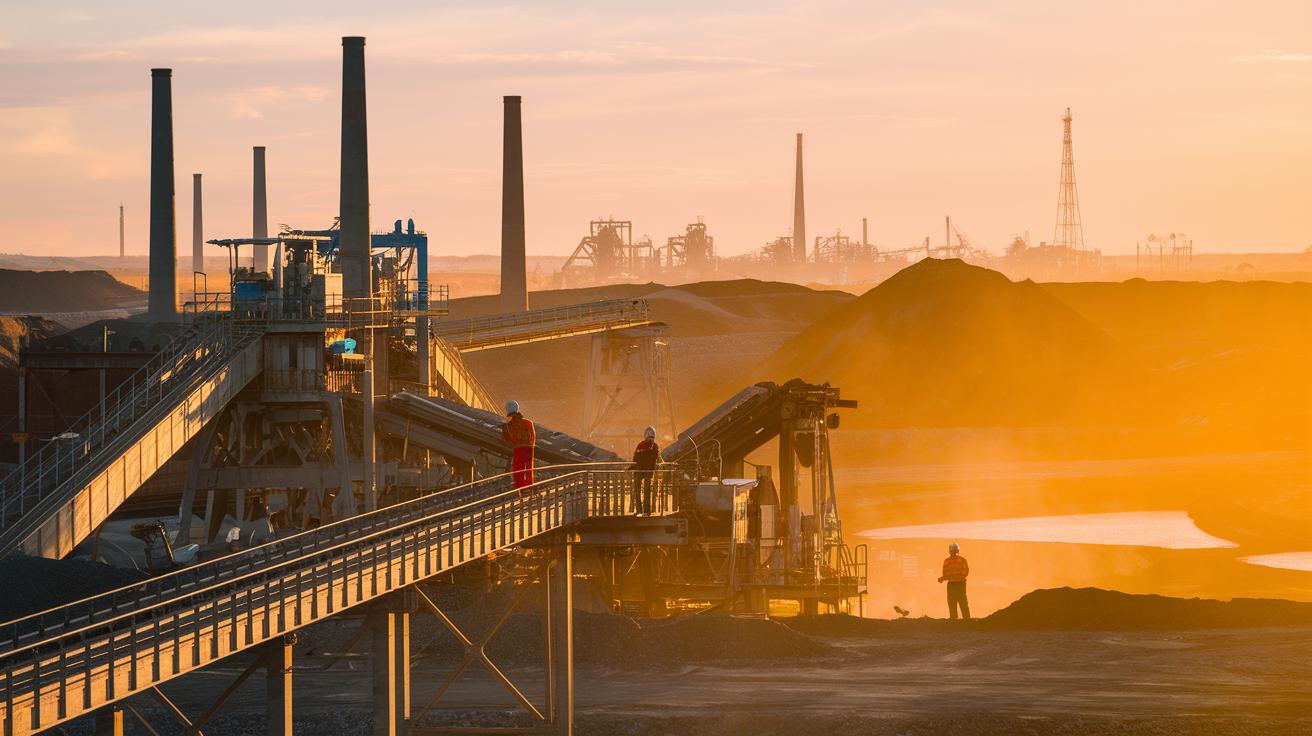
Underinvestment in mining and oil production over the past decade has squeezed supply, leading to tight markets in the 2020s. When production fails to keep up with demand, prices jump and then adjust as the market finds balance.
- Underinvestment cuts production capacity.
- Rising consumption pushes supply shortages.
- Historical cycles show production limits drive price swings.
- Energy production constraints worsen market imbalances.
Historically, the commodity market saw a major upturn from 2003 until prices peaked around 2011. Cycles lasting 5 to 10 years show that limited supply and higher long-term demand both play key roles. As industrial and energy sectors grow, even small gaps between output and needs can lead to clear price shifts.
Increased energy use and industrial expansion often push demand beyond what production can handle, leading to short-term price rallies and later corrections as suppliers adjust to the new market conditions.
Commodity Cycles Driven by Macroeconomic Fundamentals
Global recessions and recoveries set the stage for commodity prices that evolve over decades. In the short run, policy changes drive price swings, while long-term trends rest on the fundamentals of economic growth.
- GDP growth supports steady demand.
- Inflation reshapes commodity cost structures.
- Central bank rate changes alter borrowing costs.
- Fiscal policies boost demand during recoveries.
- Regulations impact production and pricing.
In 2024, US electricity use rebounded after 20 years, helped by tech shifts like rising AI adoption alongside GDP growth. Investors should keep an eye on GDP figures, inflation data, central bank moves, and new regulations to decide if price shifts are temporary or signal lasting trends.
Technological Innovation and Emerging Commodity Cycle Supercycles

Rising demand from electric vehicles, renewable projects, and local supply chains is powering a new commodity cycle. EVs and clean energy investments are driving up the need for metals like copper, nickel, and lithium. AI improvements in production help lower costs and sharpen demand forecasts. Even low-cost copper miners have delivered strong returns, echoing past commodity booms.
Years of low investment in mining and oil have tightened supply, pushing spot prices higher as production struggles to keep pace. New mining techniques and increased automation help reduce expenses for efficient producers, which in turn pushes prices up. In previous cycles, metals and mining stocks returned 29% annually.
- EV growth drives long-term demand for key battery metals.
- Renewables and local supply chains are reshaping metal needs.
- AI-enhanced production cuts costs and boosts forecasting accuracy.
- Reduced investment deepens scarcity, leading to higher spot prices.
- Low-cost producers and royalty companies benefit from improved efficiencies.
Modern digital tools and innovative extraction methods are lowering production costs and risks. Investors increasingly favor companies that prove efficient in a tightening market. The mix of tech upgrades, rising clean energy demand, and limited supply creates a bullish setup for commodities, underlining the critical role of innovation in today's supercycles.
Market Sentiment and Investment Behavior in Commodity Cycles
Short-term commodity prices are shifting fast as market sentiment drives traders' moves. Recent US trade tensions have dented confidence, pushing oil prices lower amid rising geopolitical concerns. Traders adjust their portfolios quickly, which further boosts price swings.
• Oil prices dip as trade tensions affect confidence.
• The S&P GSCI recently ended its multi-year lag behind the S&P 500.
• Rapid trader moves and speculative trades add to volatility.
In early April, traders discovered that commodities offered solid downside protection and generated extra returns during market stress. Investors are now shifting funds between asset classes to manage risk, making it vital to stay alert to these quick changes in commodity markets.
Historical Patterns and Commodity Supercycles

Historical data shows commodity markets shift in clear cycles that hint at future changes. Rather than dwelling on past trends, focus on actionable signals. Recognizing the early stages of a supercycle may help investors rebalance when prices drop.
• Spot key early signals before pricing shifts.
• Treat 20-30% price drops as market resets that often lead to longer-term gains.
• Look to efficient producers, who typically benefit during these pullbacks, for guidance on entry points.
Past cycles reveal that initial signs of supercycles often precede changes in pricing, offering a chance to re-enter positions at lower levels. Corrections of 20-30% can be seen not as setbacks but as natural breaks that prepare the way for a sustained upward move.
Investors should watch for these early indicators to time tactical entry and position themselves for competitive advantage.
Strategic Investment Approaches Across Commodity Cycles
Investors use long-term tactics to profit from commodity cycles. They focus on low-cost production and royalty models to build value. Past cycles have returned about 29% per year, especially from copper, nickel, and lithium. This approach looks ahead 5–10 years to ride out typical price swings.
• Portfolios balance risk across different cycle stages.
• Investments go to companies that work efficiently even in down markets.
• Royalty businesses benefit from price moves with disciplined capital use.
Key strategies include:
• Focusing on low-cost production to hedge against volatile prices.
• Allocating resources to protect against short-term risks.
• Monitoring trends to quickly adjust positions when valuations look good.
These tactics help investors capture supply-demand imbalances while managing risk. By staying disciplined, they can adjust positions fast and secure robust returns in the commodity sector.
Case Studies on Commodity Cycles: Demand Shocks & Supply Disruptions

Researchers use structural vector autoregressive models to separate different market shocks. This study goes beyond earlier theories by using case studies to show that rising industrial demand pushes prices up steadily, while short-term inventory adjustments help steady the market without changing long-term trends.
- Models split out distinct shocks using clear, empirical techniques.
- Case studies show that strong demand surges lead to lasting price hikes.
- Temporary inventory builds smooth out short-term price swings without shifting long-run trends.
This refined approach merges precise empirical methods with practical examples, helping explain the key forces behind commodity cycles.
Final Words
In the action, we dissected key forces behind commodity price shifts.
We broke down demand, inventory, and supply shocks alongside macro factors and tech trends.
Analysis of geopolitical tensions and market sentiment added context to historical events and investment tactics.
Case studies and clear data showed that what drives commodity cycles centers on lasting shifts in fundamentals and investor behavior.
These insights offer clear, actionable cues for capitalizing on market moves and refining your investment strategies.
FAQ
Q: What drives commodity cycles, including insights from PDFs and 2021 trends?
A: The commodity cycles are driven by persistent demand shocks, short-lived inventory fluctuations, and supply constraints. Research and trends from 2021 point to macroeconomic changes and policy shifts as key factors.
Q: What does a commodity cycle chart show?
A: A commodity cycle chart shows historical price movements, highlighting boom and bust phases while illustrating the impact of demand, supply, and inventory shocks combined with broader economic trends.
Q: What is a commodity?
A: A commodity is a raw material traded in bulk—such as oil, metals, or wheat—that serves as an essential input in various production processes and is subject to market cycles.
Q: What triggered the commodity crisis of 2015?
A: The 2015 commodity crisis was triggered by oversupply, weakened global demand, and fading investor confidence, which led to significant and rapid declines in commodity prices.
Q: What drives commodity prices, including key factors?
A: Commodity prices are driven by shifts in demand and supply, changes in inventory levels, macroeconomic indicators, policy actions, geopolitical tensions, and market sentiment.
Q: How does the oil commodity cycle work?
A: The oil cycle reflects a mix of global supply-demand shifts, geopolitical tensions, and policy moves. Short-term price drops follow market sentiment, while long-term trends hinge on fundamental economic growth.
Q: Why are commodity prices falling today?
A: Commodity prices may fall due to short-term policy moves, temporary increases in supply, or brief drops in demand, though long-term trends generally remain tied to underlying economic fundamentals.
Q: What drives the commodity market?
A: The commodity market is driven by imbalances between supply and demand, economic data, and shifts in investor behavior, alongside broader trends in industrial consumption and policy changes.
Q: What causes a commodity supercycle?
A: A commodity supercycle is caused by prolonged supply shortages, strong industrial and technological demand, and extended underinvestment, creating long-lasting periods of high prices.
Q: What factors affect the demand for a commodity?
A: The demand for a commodity is affected by economic growth, industrial activity, population trends, technological advancements, and shifts in energy consumption patterns.