


Crypto Assets Explained
Crypto assets like Bitcoin, NFTs, and security tokens let people trade directly without banks. They’re not just digital coins, they’re a system of tokens built on secure blockchains.
• Direct, bank-free trading
• Secure systems powered by blockchain tech
• Uses digital keys to manage transactions
This blog breaks down what crypto assets are, how they work, and why they matter for portfolios. We explain how digital keys and blockchain work together to change the way markets operate. Stay tuned for a clear, no-nonsense look at crypto assets.
what are crypto assets: Smart, Clear Overview
Crypto assets are digital tokens built and exchanged on a blockchain. They cover cryptocurrencies like Bitcoin, Ethereum, Litecoin, and Ripple, plus non-fungible tokens (NFTs), central bank digital currencies (CBDCs), and security tokens. These assets are purely digital and use blockchain to record every trade securely and transparently. This system lets users send assets directly without needing a bank. Think of an NFT as a unique digital collectible, each with its own digital signature.
Crypto assets also employ strong cryptography to secure trades and prove ownership. In simple terms, a private key (like a personal password) is needed to move the asset. On financial statements, these assets appear as intangible resources, similar to how stocks or bonds are shown. This highlights their digital nature while showing they can impact portfolios and market practices in modern finance.
How Blockchain Powers Crypto Assets
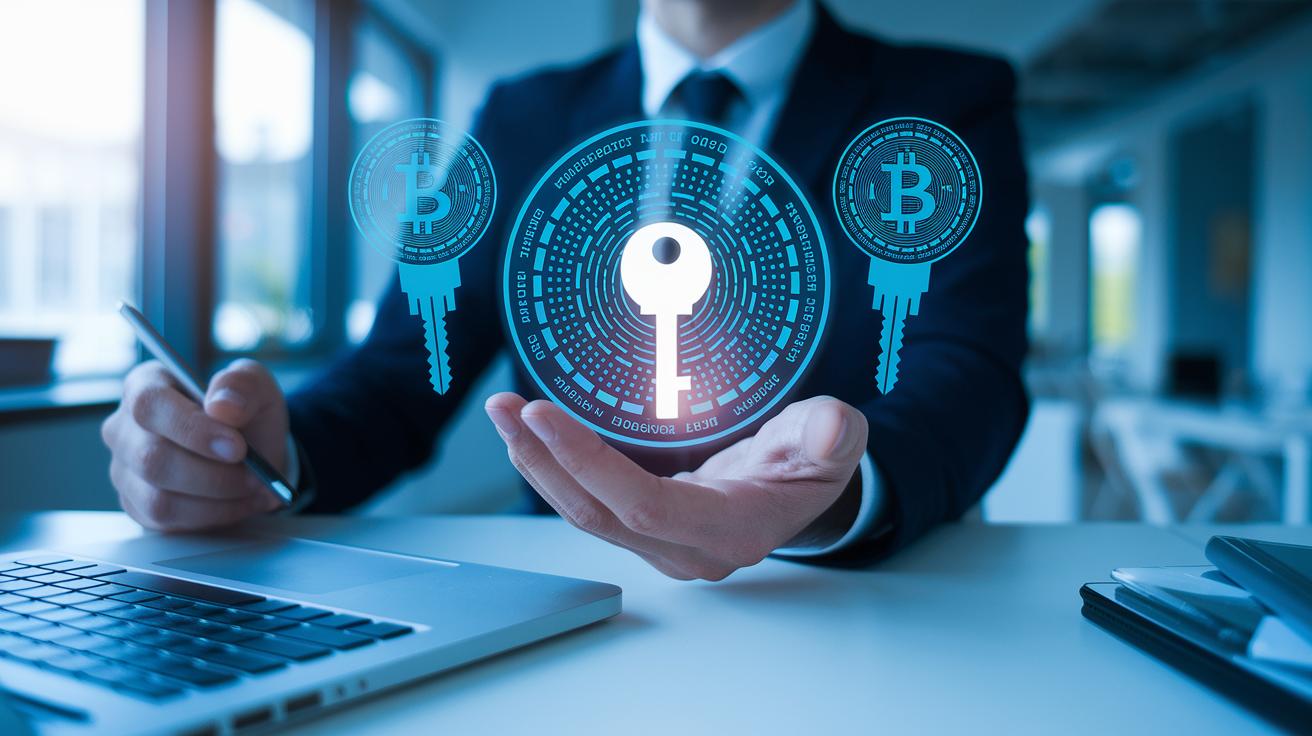
Digital assets live on a blockchain, a public ledger that records every transaction. Each asset is secured by two keys: a public key (like an email address for receiving funds) and a private key (like a password that lets you send funds). This setup verifies every token move on an unchangeable record, keeping things transparent and secure.
• The private key confirms ownership and enables transactions.
• Losing or exposing your private key means you lose access, with no way to recover it.
• Keeping your private key safe is crucial for protecting your digital investments.
Blockchain technology adds value with multiple layers. Layer 2 improvements speed up transactions and lower costs. The functional layer powers apps for trading, spending, and financial tasks, while the access layer offers easy-to-use interfaces. This multi-layer design boosts efficiency and strengthens security across decentralized markets.
Types of Crypto Assets: Cryptocurrencies, Tokens and More
Crypto assets come in several forms, each serving different roles in today’s digital economy. Some act as everyday money, while others provide access to network services or represent ownership rights. This variety expands how value is stored and transferred in financial systems.
• Cryptocurrencies: Native coins that function as digital money.
• Utility tokens: Provide rights to use specific network services.
• Security tokens: Represent equity or debt in an asset.
• NFTs: Unique digital collectibles that cannot be exchanged on a one-to-one basis.
• CBDCs: Digital currencies issued and backed by governments.
Only assets that use cryptography to lock down and verify transactions on a decentralized blockchain are considered true crypto assets. This system safeguards transparency and security and sets these tokens apart from ordinary digital records.
Use Cases and Benefits of Crypto Assets

Crypto assets drive digital change in finance by letting users trade, borrow, and lend directly on blockchain networks.
• DeFi protocols let individuals bypass banks to borrow, lend, and trade.
• NFT and regular marketplaces connect buyers with both digital collectibles and physical goods.
• Crypto exchanges support fast, peer-to-peer trades.
• Blockchain-based gaming gives players verifiable ownership of in-game items.
Smart contracts automatically handle transactions, cutting costs and reducing processing times. Fewer middlemen mean faster settlements, more transparency, and stronger user confidence. This blend of decentralized technology with traditional finance is reshaping how consumers and investors interact with money.
Risks and Challenges in Crypto Asset Investments
Crypto assets offer strong potential returns, but they come with serious risks that investors need to understand. A security breach or a sudden market shift can quickly wipe out gains.
- Private key misuse can lead to complete asset loss.
- Uncertain regulations and changing legal rules create ongoing risk.
- Security flaws and exchange hacks continue to jeopardize assets.
- Extreme price swings can dramatically alter asset values.
Investors can protect their investments by taking these steps:
- Use advanced fraud protection tools and custom API integrations to boost security.
- Secure wallets with multi-factor authentication and cold storage options.
- Stay informed on regulatory updates to adapt management strategies.
- Employ proactive measures to reduce exposure during market swings.
Taking these actions can help safeguard portfolios against significant losses in an inherently volatile market.
Crypto Assets vs. Traditional Financial Assets

Traditional assets like stocks, bonds, and commodities usually exist as physical certificates or digital records managed by banks. They rely on centralized systems for record-keeping. In contrast, crypto assets are completely digital, secured by cryptography, and logged on a blockchain, a decentralized ledger.
• Crypto tokens move almost instantly without needing a broker, unlike stocks that may face delays.
• Traditional assets follow established rules and clear regulatory frameworks.
• Crypto assets operate under evolving regulations that change by region, affecting risk and liquidity.
• Security for crypto assets comes from advanced cryptographic methods, while traditional assets rely on long-standing oversight.
These differences matter because investors must balance speed and ease-of-transfer against uncertainties in regulation and accounting standards. Both asset types appear on balance sheets, but how they are managed varies significantly due to the regulatory and technological gaps between conventional finance and digital finance.
Future Outlook and Emerging Trends in Crypto Assets
Retailers are preparing for crypto payments at physical checkouts as new point-of-sale systems roll out. Smart contracts are set to cut costs by automating complex financial services, while decentralized apps (dApps) make digital asset transactions simple and fast.
- Retailers can soon accept crypto payments at checkout.
- Smart contracts reduce fees by automating services.
- dApps allow consumers to quickly convert crypto to local currency.
- Layer 2 solutions and cross-chain interoperability make transactions faster and cheaper.
Layer 2 improvements and enhanced blockchain communication are driving innovation. These upgrades lower transaction costs and speed up operations, making digital assets more practical. By allowing different blockchains to talk to each other, these advances help integrate crypto into traditional finance for a smoother, more efficient transfer of value.
Final Words
In the action, our discussion broke down crypto assets into clear categories while explaining how blockchain secures these digital tokens. We reviewed different types, from cryptocurrencies to NFTs, and mapped out how their accounting treatment sets them apart from traditional assets.
The article also highlighted key risks and emerging trends, emphasizing the benefits and challenges investors face. By understanding what are crypto assets, traders can make more confident and timely moves. Stay alert and informed as the market evolves.
FAQ
What are some common examples of crypto assets and what do they include?
The crypto assets examples include digital tokens like Bitcoin, Ethereum, Litecoin, Ripple, NFTs, and CBDCs. These tokens are built on blockchains with cryptographic security features.
How do crypto assets differ from cryptocurrency?
The crypto assets vs cryptocurrency distinction shows that cryptocurrencies are a subset of crypto assets, while the broader category also includes utility tokens, security tokens, NFTs, and CBDCs.
What is a crypto assets PDF?
A crypto assets PDF typically refers to a document that details the definitions, examples, accounting treatments, and regulatory guidelines for various digital tokens.
Are crypto assets considered securities?
The classification of crypto assets as securities depends on the type; security tokens may qualify as securities, while others like Bitcoin are often viewed as commodities.
What does the term “crypto assets book” refer to?
The crypto assets book usually refers to the accounting records that treat digital tokens as intangible assets on balance sheets, similar to stocks or bonds.
Is crypto considered a digital asset?
Crypto is considered a digital asset because it is secured through cryptographic methods and maintained on decentralized blockchains for storing and transferring value.
What features of crypto assets present challenges to accountants and auditors?
The challenges include their digital record-keeping on decentralized ledgers, reliance on cryptographic security, price volatility, and evolving regulatory frameworks.
What are the top 10 crypto assets commonly seen in the market?
The top 10 crypto assets often include Bitcoin, Ethereum, Tether, XRP, Dogecoin, Cardano, Litecoin, Polkadot, Binance Coin, and Solana, although rankings can shift with market trends.
How much is $100 worth in crypto?
The worth of $100 in crypto depends on the current market price of the digital asset. Different tokens like Bitcoin or Ethereum will yield varying quantities for an investment of $100.
How much is $1 in crypto today?
The value of $1 in crypto fluctuates by asset and market conditions, meaning it represents different fractions of a coin such as Bitcoin or Ethereum at any given time.