

Currency Swings Shake Global Trade
A 2% move in currency values is shifting raw material costs and squeezing exporters’ margins, forcing firms to adjust quickly.
• Even small shifts, like 2%, can stress supply chains and cost structures.
• Exporters may see tighter margins as raw material costs change.
• Companies now face increased pressure to update risk management strategies.
Currency fluctuations change how businesses manage costs and risks. Firms must react fast to protect profit margins. Investors should watch how these shifts trigger strategic moves in global trade.
How Currency Volatility Shapes Global Trade Dynamics
Currency swings are shaking global trade by changing import costs and export prices. These shifts create uncertainty for buyers and sellers, who must adjust their pricing strategies on the fly. New U.S. tariff proposals and other economic changes add further pressure to an already unstable market.
- Imports cost more as raw materials and components become pricier.
- Exporters face tighter profit margins when adverse currency moves occur.
- Fluctuating invoice amounts make managing cash flow harder.
- Changing pricing structures complicate staying competitive.
- Companies must adopt stronger risk management in global supply chains.
Rapid shifts in currency value challenge companies to update invoices, manage slimmer margins, and stay competitive. In this environment, firms need strong financial planning and hedging strategies to navigate the risks of a volatile market.
Measuring Currency Volatility and Exchange Rate Fluctuations
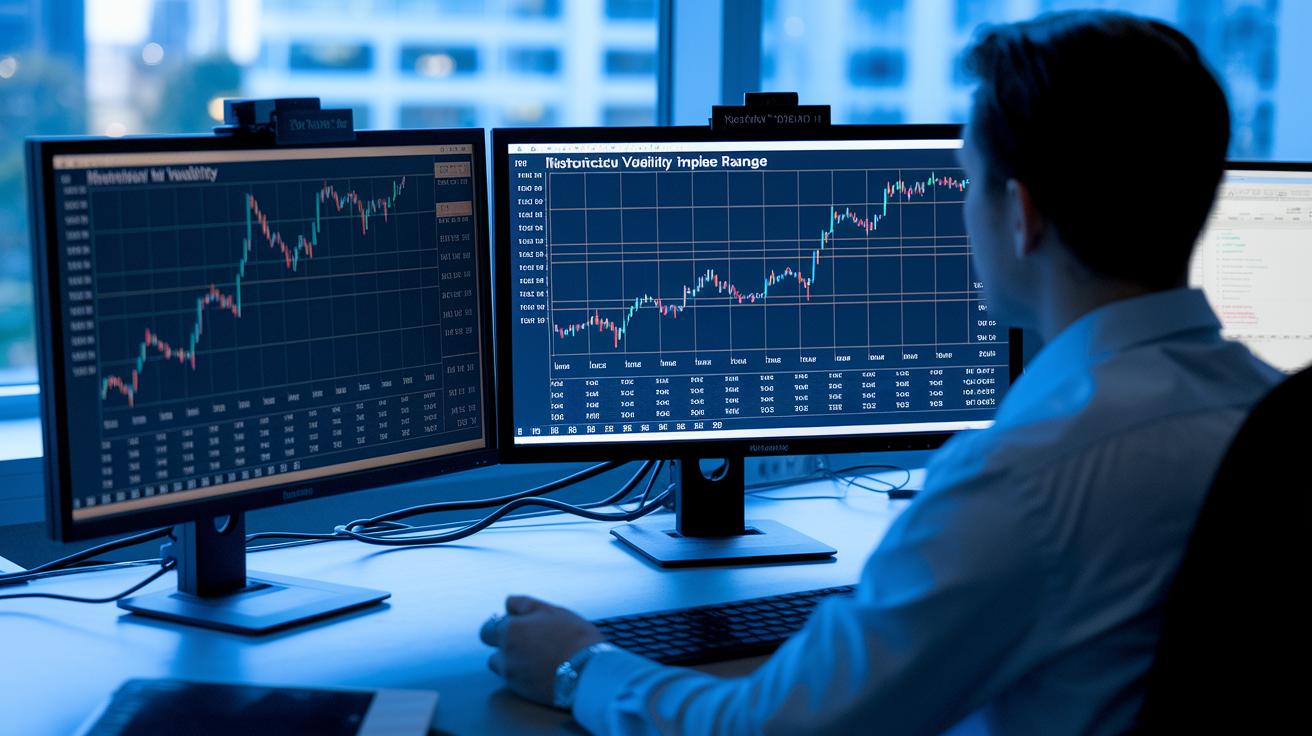
Currency movements are tracked using clear metrics that show past behavior and market expectations. These measurements help firms pinpoint risk amid shifting regulations and market changes.
• Historical volatility captures past price swings over a specific period.
• Implied volatility shows what the market expects (based on options pricing).
• Average True Range details the full daily price spread, including gaps.
| Metric | Definition |
|---|---|
| Historical Volatility | Tracks past price swings over a set period |
| Implied Volatility | Reflects market expectations using options pricing |
| Average True Range | Measures overall price range, including gaps and daily moves |
Businesses use these signals to set prices, manage hedging strategies, and evaluate trade finance costs. By looking at both historical and implied measures, firms better understand market sentiment and can make smarter decisions on contracts and capital allocation for international deals.
Drivers Behind Exchange Rate Turbulence in International Commerce
Trade Policy Uncertainty
US tariff proposals and shifting trade talks are sparking quick changes in currency values. Uncertainty over new rules and missing tax cuts keeps investors on edge. Companies must adjust their deal terms as rates shift, which disrupts pricing and trade flows.
Divergent Interest Rate Paths
Central banks set rates based on local economic conditions, leading to clear gaps between currencies. When one country tightens policy while another stays loose, exchange rates adjust fast. This mismatch forces traders to reprice assets and update hedging strategies, increasing market volatility.
Capital Flows and Speculative Shifts
Investors moving funds in search of better returns are unsettling established pricing. Portfolio shifts, sovereign moves, and unwinding trades all contribute to unstable currency markets. Companies now need to constantly update their risk management as exchange rates can swing widely in a short time.
Effects of Currency Volatility on Export-Import Sectors

Currency swings hit export-import companies hard. Rapid rate changes can quickly raise the cost of raw materials, finished goods, and invoices, leaving firms exposed to unpredictable financial shifts.
• A 2% move in exchange rates often forces contract and pricing adjustments.
• Exporters face uncertain invoice totals that complicate revenue forecasts.
• Importers see rising costs for essential inputs.
Even small changes in currency value can disrupt pricing models and squeeze margins. As costs shift, companies must update their hedging and trade strategies on the fly. Many managers are now prioritizing dynamic pricing and flexible forward contracts to protect profit margins and maintain a competitive edge globally.
Currency Volatility Impact on Supply Chains and Trade Competitiveness
Exchange rate swings are pushing up costs in supply chains, making raw materials, shipping, and inventory management more expensive.
• Raw materials like metals and plastics quickly cost more when currencies fluctuate.
• Higher shipping fees squeeze profit margins.
• Unpredictable inventory values complicate planning and cash flow.
• Even small currency moves force companies to revisit contracts and change terms.
When costs jump suddenly, businesses often adjust their budgets and pricing models. They shift strategies by diversifying suppliers, sometimes choosing regions with stable currencies, or locking in prices with local-currency contracts and hedging tools. Some firms even move production to areas where exchange rates are more predictable. These steps help companies better control expenses and keep their competitive edge in volatile markets.
Trade Balance Distortions from Exchange Rate Oscillations

Rapid swings in foreign exchange rates can quickly shift the cost structure of imports and exports.
• FX surges or drops alter export revenue and input expenses.
• A 3% drop in a major currency can boost local export revenue while increasing import costs.
• A rapid appreciation may weaken export competitiveness and lower import expenses.
• Global industries, like manufacturing and tech, face immediate supply chain adjustments.
Currency fluctuations can change trade balances overnight. When a currency weakens, export revenues may rise in local terms, but costlier inputs can create an imbalance. Conversely, a strong currency makes exports less attractive while easing import costs, often leading to unexpected surpluses.
Industries with global supply chains experience additional pressure as these shifts disrupt logistics and force market realignments. Governments and firms may need to adjust fiscal policies and trade strategies to manage these shifts and stabilize the economy.
Risk Management and Hedging Techniques for Volatile Currency Environments
Companies are facing unpredictable FX moves due to policy uncertainty. To protect profit margins, they are locking in favorable rates and preparing for sudden cost changes.
• Fixed exchanges give companies planning certainty.
• Options and futures limit losses while keeping upside potential.
• Diversifying currency exposure smooths cash flow and strengthens global operations.
Currency Forward Contracts
Forwards let firms set an exchange rate for a future transaction. This locks in costs and helps maintain stable budgeting even when rates shift.
Options and Futures Strategies
Using options and futures, such as protective puts and collars, helps companies limit losses. This approach offers some protection while still leaving room to benefit from positive rate changes.
Portfolio Diversification and Netting
Spreading risk across multiple currencies and netting transactions cuts down the impact of swings in one currency. This strategy supports steadier cash flow and boosts overall operational resilience.
Strategic Mitigation Techniques for Stable Cross-Border Transactions

Businesses are updating their systems to manage unpredictable currency swings. They’re moving beyond old-school hedging by using real-time pricing, local invoicing, and set rate limits. These techniques help smooth out revenue fluctuations as FX rates change.
Dynamic Pricing and Multi-Currency Invoicing
• Companies now update prices instantly when FX rates shift.
• Billing in local currency allows prompt invoice adjustments to reflect these changes, reducing exposure to sudden market moves.
Currency Corridor Agreements
• Firms work directly with banks to set fixed rate bands.
• These agreements cap extreme rate changes while still letting businesses take advantage of normal market conditions.
Regional Hedging Pools
• Businesses team up through regional associations to share FX risks.
• Pooling resources among local players helps cut individual exposure and brings more stability in uncertain global trade.
Future Outlook and Predictions for Currency Volatility in Global Trade
FX markets are expected to show more swings as trade talks and geopolitical risks heat up. This matters because fast changes in currency values can disrupt global trade and investment.
• Ongoing trade debates and policy shifts drive market uncertainty.
• Central banks adjusting interest rates spark rapid currency moves.
• Mixed fiscal policies and unclear regulations add to volatility.
• Investors and businesses must stay agile to manage risks.
Companies are exploring multi-currency invoicing, dynamic pricing, and currency corridor agreements to lessen the impact of rate swings. Policymakers may tweak trade and fiscal strategies to calm the markets. Overall, flexible risk management and close monitoring of market signals are key to handling ongoing FX volatility.
Final Words
In the action, we explored how shifting exchange rates affect cross-border commerce and supply chains. The post broke down FX volatility, measurement metrics, policy influences, and mitigation tactics into clear sections and bullet points.
Key takeaways include:
• Currency swings drive trade balance distortions
• Strategic risk management and dynamic pricing can ease cost pressures
These insights on the impact of currency volatility on global trade help clarify market shifts and support confident, agile decision-making.
FAQ
Q: What is the impact of currency volatility on global trade?
A: The impact of currency volatility on global trade is seen through higher costs for importers and unstable profit margins for exporters. Industry reports and PDFs note negative effects, with 2022 showing a marked increase in adverse outcomes.
Q: How does exchange rate volatility affect international trade?
A: Exchange rate volatility affects international trade by altering product pricing and increasing cost uncertainty. This disruption hampers trade flows and challenges global supply chains, as detailed in various analytical PDFs.
Q: What is exchange rate volatility?
A: Exchange rate volatility means frequent, unpredictable changes in currency values. These fluctuations directly impact pricing, trade balances, and compel businesses to adopt robust risk management strategies.
Q: What do exchange rate volatility data indicate?
A: Exchange rate volatility data indicate the frequency and extent of currency fluctuations. Such data help firms assess risk levels, anticipate potential cost changes, and adjust their hedging strategies accordingly.
Q: How does evidence from Russia illustrate the impact of exchange rate volatility on trade?
A: Evidence from Russia demonstrates that rapid currency shifts disrupt trade flows and pricing models, creating imbalances and operational challenges for both importers and exporters.