
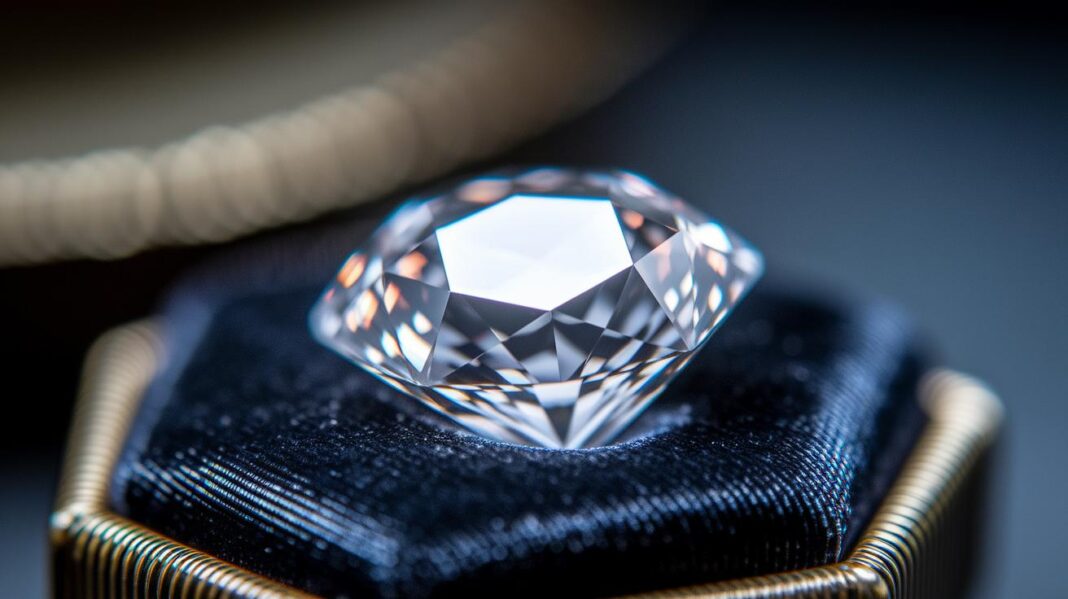

Raw Diamonds: Earth's Hidden Assets
Uncut diamonds form under extreme heat and pressure, emerging from deep within Earth thanks to powerful volcanic forces.
• Formed under intense heat and pressure
• Brought to the surface by volcanic activity
• Unique facets attract collectors and investors
• Each stone hints at Earth's dramatic past and untapped value
Raw diamonds boast naturally rough yet compelling facets that capture attention. Their unique angles and subtle glows offer a tangible reminder of Earth's raw power, while hinting at hidden worth waiting to be unlocked.
Raw diamond Shines with True Worth
Raw diamonds are naturally uncut gemstones formed deep within Earth under intense heat and pressure. They are brought to the surface by volcanic activity through kimberlite pipes that contain at least 35% olivine and no quartz or feldspar.
• They typically form as octahedral or cubic crystals.
• Their rough look gives them a unique appeal for investors and collectors.
• Colors range from clear to lightly tinted, often with a cloudy or greasy appearance.
Each stone reveals a story of Earth's volcanic past. Their irregular shapes and natural contours show the extreme conditions that shaped them. These diamonds are valued not only for their natural design but also for the higher premiums larger and clearer specimens can command. In their raw form, they hold centuries of geological secrets before they are transformed into polished jewels.
Identifying Raw Diamond Properties and Authenticity
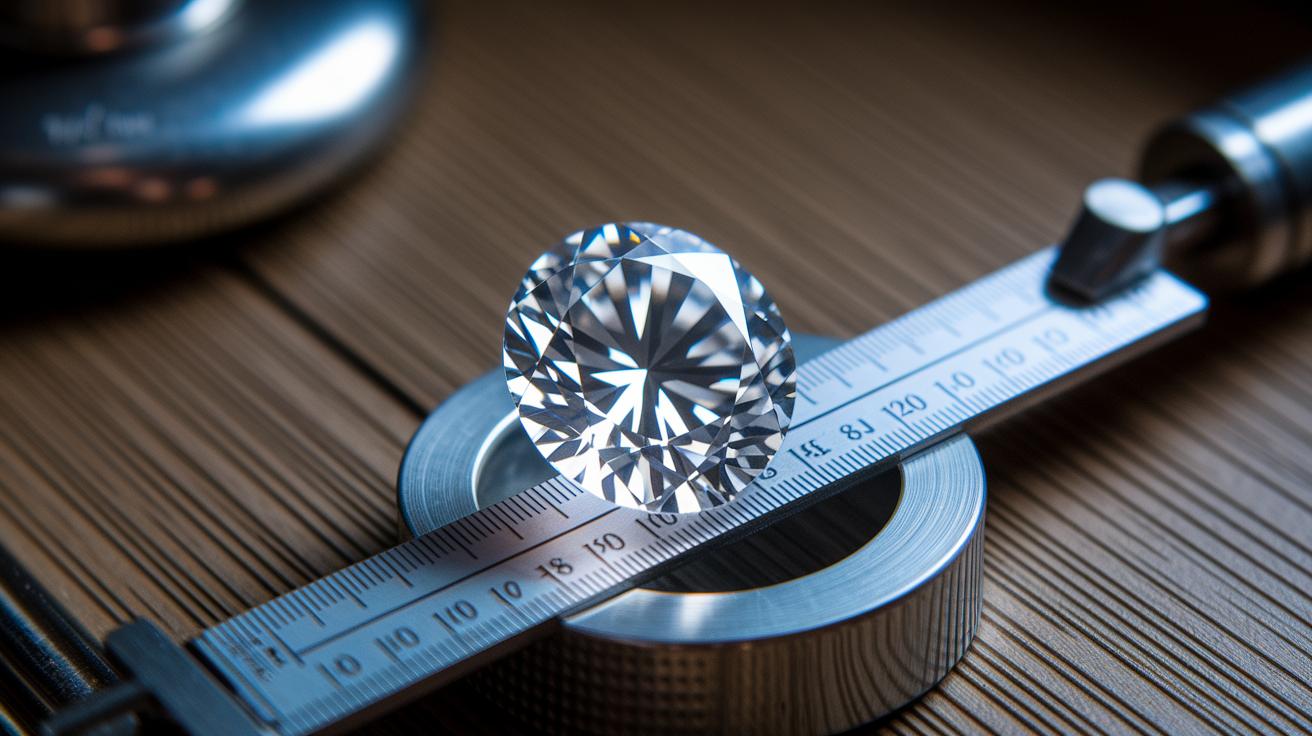
Raw diamonds have uneven facets and sharp angles that mark them as uncut. A quick look reveals their natural state, which stands in contrast to refined gems. When checking a stone at home, start by closely inspecting its facets. Unlike quartz, which usually shows six sides, a raw diamond might display four distinct faces.
• Feel the stone. Genuine diamonds quickly feel cool because they conduct heat well.
• Weigh the stone on a high-precision electric scale (readings to at least 2–3 decimal places). Authentic diamonds have a specific gravity between 3.1 and 3.5, compared with quartz's 2.6–2.7.
• Check light reflection. Shine a light on the stone and watch how its uneven surfaces scatter the light. Raw diamonds reflect light with subtle differences across each facet, unlike imitations that reflect uniformly.
• Do a water test. Real diamonds sink due to high density, while many fake gems will float or stay suspended.
These straightforward tests offer a practical first step to determine if a crude gem is a genuine raw diamond or an imitation that needs further expert evaluation.
Raw Diamond Grading and Valuation Criteria
Raw diamond grading follows a detailed process that checks the stone’s size, clarity, color, and carat weight. A qualified gemologist uses a recognized grading system to set its value before any price is fixed.
- Size and carat weight are measured with precision to two or three decimal places.
- Clarity is determined by reviewing internal characteristics and natural inclusions.
- Color is rated on a scale from nearly colorless to slightly tinted.
These factors shape the overall grade and, ultimately, the diamond’s market value. Market prices rely on rough price indices driven by supply and demand. As trends shift, so does the price per carat, reflecting both rarity and current buyer sentiment.
- Valuation compares similar stones using current market data.
- Economic and global conditions also influence price benchmarks.
- High buyer demand with limited supply usually pushes up prices.
Investors and collectors should remember that raw diamond value is always changing. Monitoring market trends and major price indices is key to accurately assessing an uncut diamond’s worth.
Raw Diamond Mining and Ethical Sourcing Processes
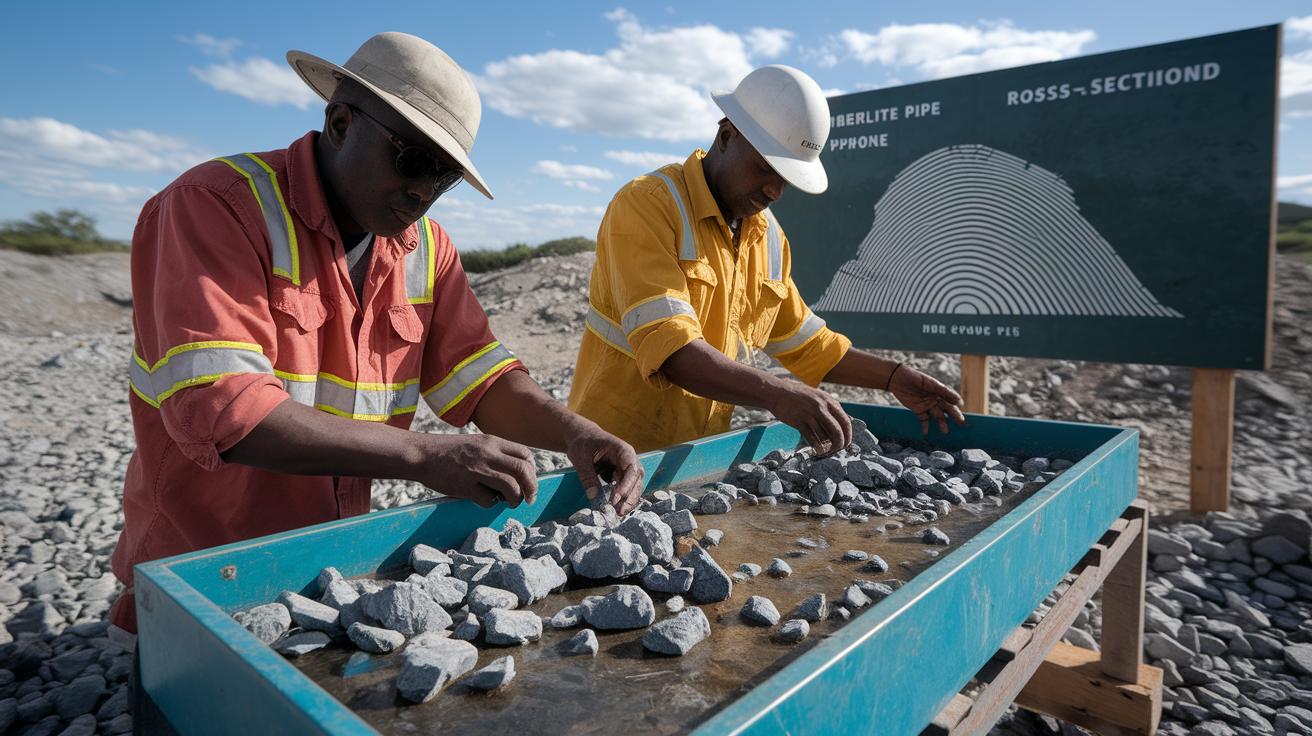
Raw diamonds are extracted from kimberlite pipes using methods like panning, sluicing, and shaker tables. Both major and small mining teams have refined these techniques to recover stones buried deep in volcanic rock.
• Geological surveys map areas by finding indicator minerals that signal diamonds.
• This process helps miners avoid unnecessary disruption in surrounding regions.
• Companies now use extraction methods that balance efficient recovery with environmental care.
Modern mining practices focus on reducing water use and minimizing soil damage. Advanced sluicing systems recycle water and lower the risk of contamination, showing a strong commitment to sustainable mining.
Ethical sourcing is key. Firms follow clear guidelines that respect local communities and protect natural habitats. By handling raw stones with care, they preserve quality, which can affect market value.
Post-extraction efforts like site rehabilitation and environmental monitoring further reduce the industry’s ecological impact. This blend of efficiency, responsibility, and long-term care is driving improvements across diamond mining practices.
Raw Diamond Transformation: From Uncut Crystal to Polished Gem
Diamond cutters turn raw crystals into high-value gems using a clear two-step process.
• First, they study the stone’s natural angles to keep up to 15% more weight.
• Next, they polish each facet to boost light refraction and sparkle.
• New computer-guided tools allow for adjustments at the nanometer level, improving both yield and quality.
In the first stage, experts follow the diamond’s inherent symmetry to maintain most of its original mass. Then, precise polishing refines the shape, enhancing clarity and brilliance. This blend of traditional skill and modern technology transforms a rough stone into a prized asset.
Raw Diamond Applications: Investment Potential and Market Trends
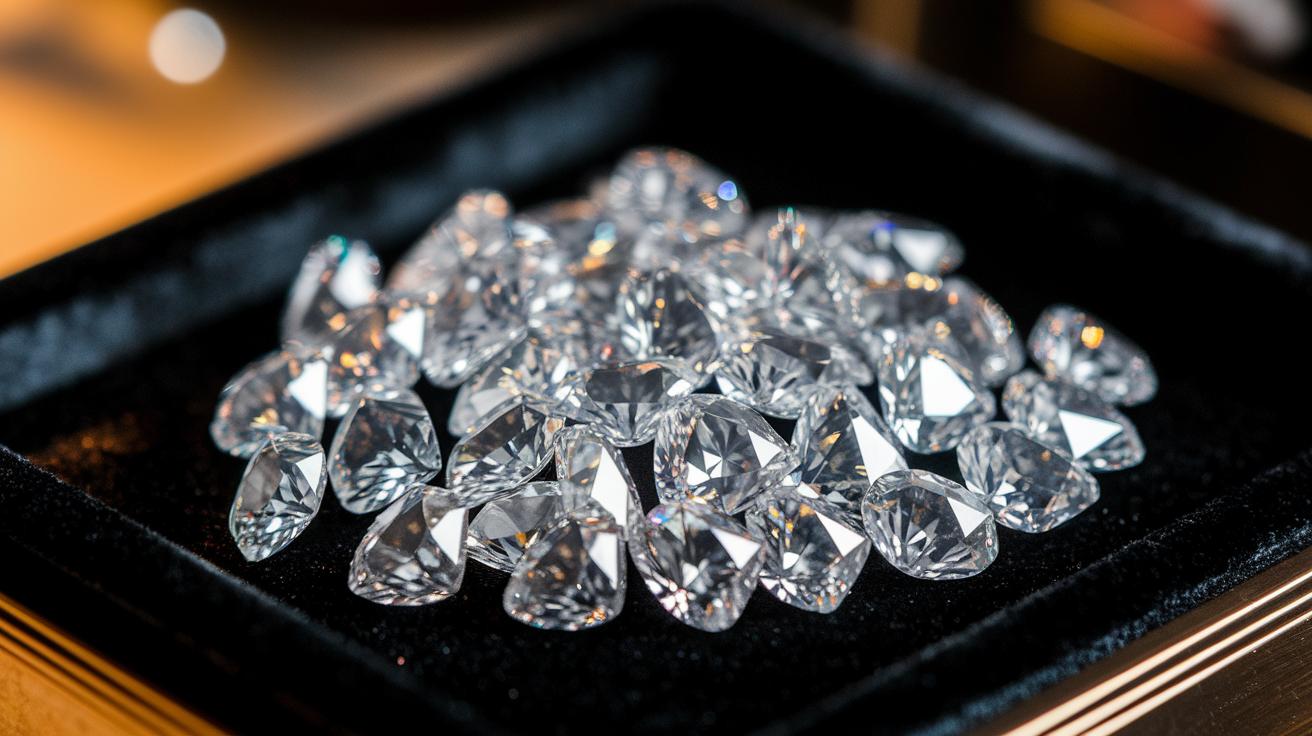
Raw diamonds present a unique alternative investment that stands out due to their rarity and size. These uncut gems attract both collectors and investors seeking tangible assets that aren’t strictly tied to regular market cycles.
• Scarce assets tend to gain value as quality and size improve.
• Global trends and shifts in the polished diamond market drive raw diamond demand.
• Investors see raw diamonds as a hands-on, long-term diversification tool.
Market data shows rising interest in unpolished gems as investors look to broaden their portfolios. Price swings in the polished segment often match movements in raw diamond values. Smart investors keep an eye on major price indexes and current buyer sentiment to time their trades.
When considering a raw diamond investment, it’s crucial to review the latest market figures and quality grades. Also, international trade trends and shifts in collector interest play key roles in valuation. This evolving market not only highlights raw diamonds as collectible art but also underlines their potential as a practical investment option.
Raw Diamond in Jewelry and Industrial Uses
Raw diamonds are making a mark in both jewelry design and industrial applications thanks to their natural look and strong durability.
- Designers celebrate raw diamonds for their rugged, untouched appearance.
- Their irregular facets give engagement and minimalist rings a fresh, bold edge.
- In industry, the natural hardness of raw diamonds supports efficient cutting and drilling.
Jewelry makers are increasingly crafting pieces that leave these gems uncut, highlighting each unique angle. This design trend shifts away from the usual polished finish, offering a look that feels both natural and striking. In industrial settings, raw diamonds are chosen for tasks that require intense wear-resistance. Their inherent density and rugged nature make them ideal for cutting, drilling, and other abrasion-heavy activities.
Final Words
In the action, we covered how a raw diamond forms deep within Earth and develops into a gemstone with unique crystal structures. We looked at how to test authenticity at home and how professionals grade and value these unprocessed gems. We also reviewed ethical mining practices and the journey from rough crystal to polished gem, while noting raw diamond market trends and applications in jewelry and industry. Each section spotlights actionable insights to help guide informed decisions in a dynamic market. Positive momentum lies ahead.
FAQ
What is the raw diamond price?
The raw diamond price depends on size, clarity, shape, and market demand. It varies greatly with quality and rarity, with prices typically set after professional grading.
How do you identify a raw diamond?
The process to identify a raw diamond involves checking its angular facets, density, and thermal conductivity. A raw diamond often shows a greasy or cloudy appearance compared to its polished form.
What is a raw diamond ring?
A raw diamond ring features an uncut, natural gemstone set in jewelry. This design highlights the stone’s original, rough character and appeals to those seeking a unique style.
What are common raw diamond shapes?
Common raw diamond shapes include octahedral and cubic forms, reflecting the natural crystal structure that forms under high pressure and heat within the Earth.
What defines a natural raw diamond?
A natural raw diamond is an uncut gemstone formed deep within the Earth through extreme heat and pressure. It retains its original crystal features and a primitive appearance.
What does a raw diamond in rock indicate?
A raw diamond in rock is embedded in host material, often found in kimberlite pipes. Its discovery in rock highlights the gemstone’s unprocessed state and natural formation.
What are raw diamond earrings?
Raw diamond earrings use unprocessed gemstones in their design, offering a distinctive, natural look. These pieces celebrate the rough, authentic appearance of the diamond.
Are there pictures of raw diamonds in rock?
Yes, there are many images showing raw diamonds in rock. Such pictures help collectors visualize the natural, uncut state and unique crystal structure of these gems.
Is a raw diamond a real diamond?
A raw diamond is indeed a real diamond. It has not been cut or polished but still possesses the intrinsic properties, structure, and chemical composition of a genuine diamond.
Are raw diamonds valuable?
Raw diamonds are valuable based on their clarity, carat, and rarity. Although they sell for less than polished gems, professional grading and processing can increase their market price.
Why are raw diamonds so cheap?
Raw diamonds might seem cheap because they are uncut and ungraded. Their final value increases after they undergo processing, grading, and transformation into finished gems.
How can you tell if you’ve found a raw diamond?
If a stone exhibits irregular, angular facets, a greasy appearance, and passes basic density and thermal tests, it is likely a raw diamond that should be evaluated by a gemologist.