
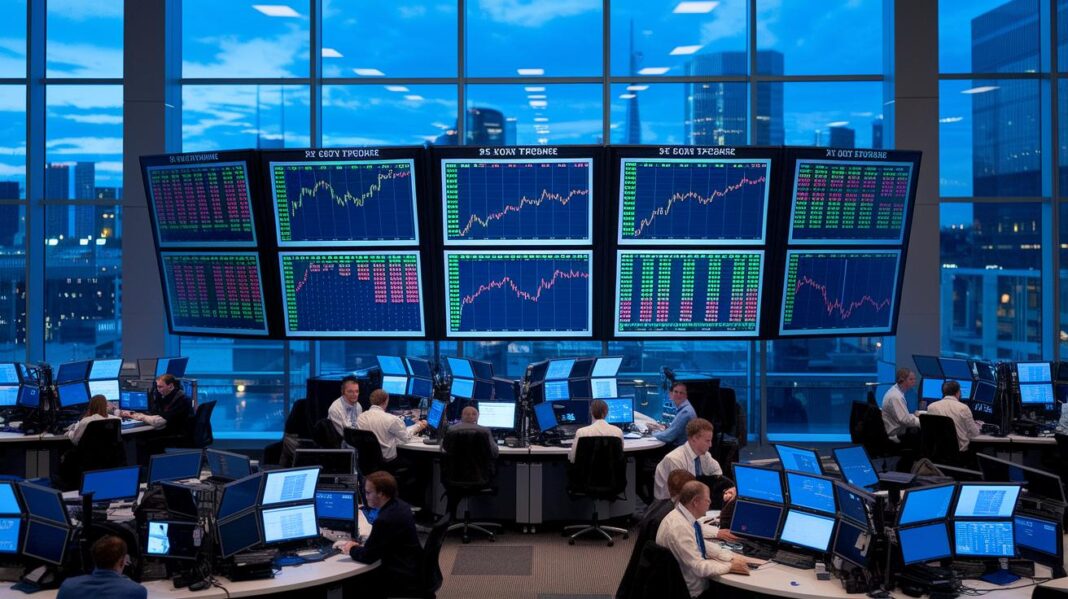

Forex Shifts Create Quick Trade Windows
Shifts in the Asia, London, and New York sessions drive fast price moves and tight spreads. Central bank actions and global trends add extra twists that catch traders' eyes.
• Price swings open short-term trading opportunities.
• Central bank decisions and economic trends play key roles.
• Understanding key forex sessions gives an edge in a fast-moving market.
We break down the basics of forex trading and show how these shifts can create smarter moves.
Understanding Currency Markets: Fundamentals and Overview
Currency markets are where buyers and sellers trade different currencies, setting prices for goods and services worldwide. They play a key role in global finance by supporting international trade and investments.
• Currencies are traded continuously on a decentralized network.
• Daily trading volumes reach into the billions, ensuring quick transactions.
• Major players include central banks, commercial banks, hedge funds, and multinational firms.
• Exchange rates, such as the Bloomberg Generic Composite rate (BGN), are for informational use only and update with a 25-minute delay.
These deep liquidity pools help traders buy and sell with little delay, leading to fair pricing and tight spreads. However, because rates lag by 25 minutes, traders should incorporate real-time data and additional sources before making decisions. Major central banks can shift currency flows by adjusting interest rates, often mirroring global economic sentiment.
Currency Markets: Exciting Shifts Boost Trading
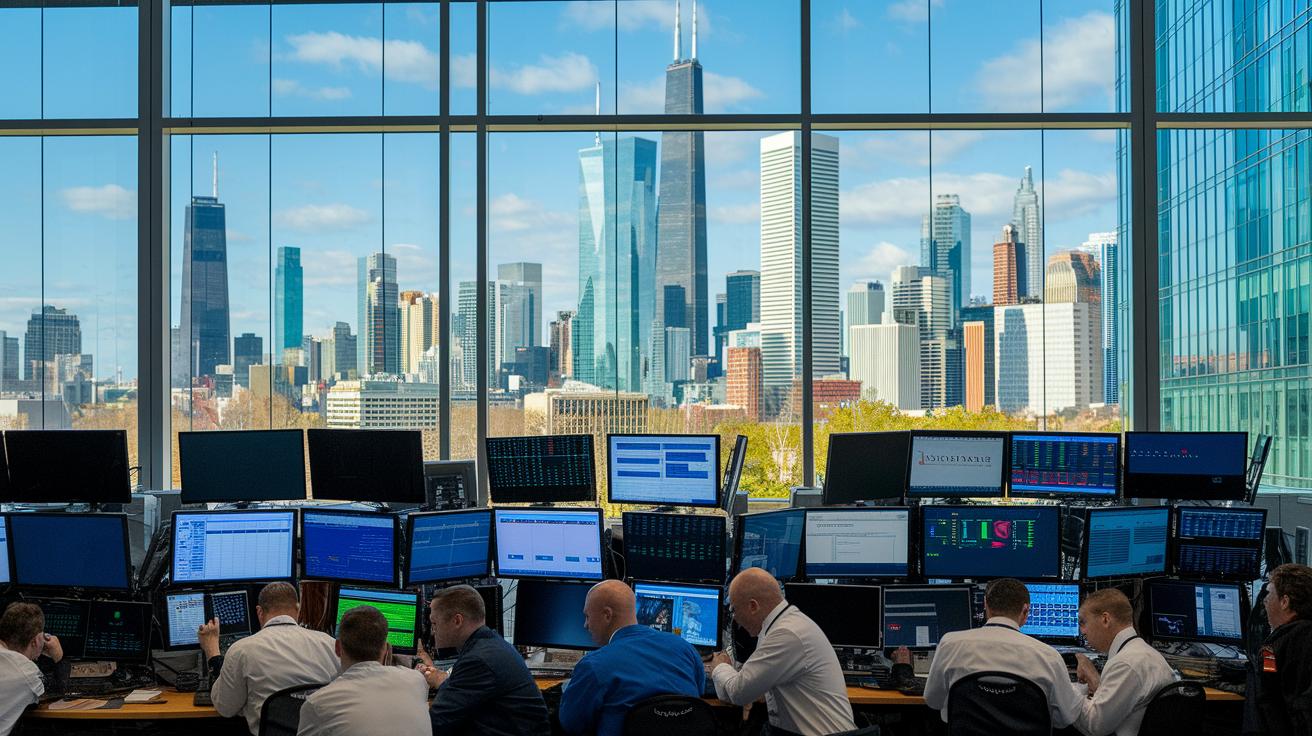
Forex markets run non-stop because of three key sessions: Asia, London, and New York. The diverse trading hours keep markets active and ready for new moves.
• Asia (Tokyo, Singapore) opens early and moves until mid-afternoon local time.
• London kicks off in the early morning and tapers off by late afternoon local time.
• New York covers from the morning to early evening ET, overlapping with London to boost liquidity.
Each session adds steady momentum, but the London-New York overlap really drives tighter spreads and sharper price moves. Traders keep a close eye on these periods for quick market signals and trading opportunities.
Key Drivers of Currency Value Fluctuations in Forex Markets
Economic data drives currency moves. When a country's GDP grows strong, its currency often rises, and central bank moves like interest rate hikes can boost investor confidence. Key data such as inflation rates, consumer price indices, and employment figures help traders adjust their positions quickly. For example, in 2015 a 0.25% rate increase triggered quick shifts in major currency pairs, leading traders to reallocate assets immediately.
• Strong economic growth typically strengthens a currency.
• Central bank policies, including rate hikes, attract foreign capital and push up values.
• Key indicators give clues on upcoming monetary moves, enabling swift trader responses.
Global liquidity factors also play a part. When uncertainty rises, traders lean towards currencies from stable economies. This shift towards safe-haven currencies often results in rapid price changes driven by capital moving from riskier assets.
• During periods of market stress, investors seek safety in stable currencies.
• Large cross-border capital flows can reshape liquidity pools and quickly alter exchange rates.
Inflation trends and ties to commodity prices further impact currency values. Countries that depend on commodity exports see their currencies move with global price changes. Comparing how different nations manage inflation and implement macroeconomic policies gives traders a practical edge in forecasting currency moves.
• Currency values in commodity-dependent nations often reflect global commodity trends.
• Cross-country comparisons help traders adjust strategies in a fast-paced forex market.
Real-Time Data, Charts, and Analysis Tools for Currency Markets
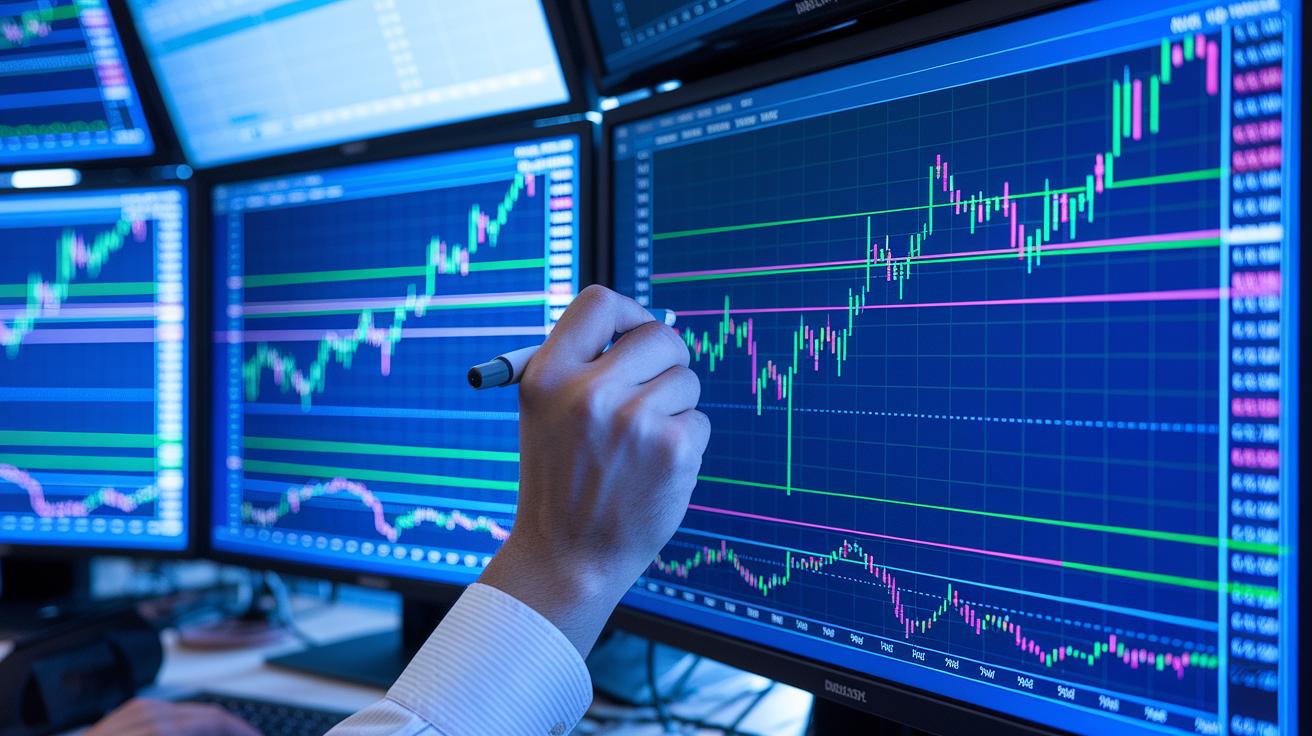
Chart platforms give traders quick, real-time views and actionable insights. They display live price action, key technical indicators, and trend lines so you can cut through market noise fast.
• Instant price insights with live updates
• Key indicators and trend lines for clear analysis
• Minor delays (e.g. 25 minutes per Bloomberg) for informational use
• Customizable layouts, as seen on TradingView
Traders use these tools to compare short- and long-term trends. Interactive features like drawing tools and dynamic indicators help spot patterns efficiently. Popular systems such as Bloomberg Terminal and MetaTrader 5 offer strong analytics and integrated news feeds. This mix lets traders monitor conditions and react quickly to market movements.
| Tool | Key Feature |
|---|---|
| TradingView | Customizable interactive charts |
| Bloomberg Terminal | Integrated market news and analytics |
| MetaTrader 5 | Robust technical analysis indicators |
| OANDA | User-friendly trade execution |
Choosing the right tool depends on your experience and goals. Beginners may prefer intuitive interfaces and simplified features, while advanced traders need in-depth analytics and real-time data integration for precise decisions.
Fundamental vs Technical Analysis in Currency Trading
Fundamental analysis reviews key economic reports and central bank policies to assess a currency's value. It looks at indicators such as GDP growth, inflation, and employment figures, and factors in geopolitical events that can shift market sentiment. For example, a better-than-expected jobs report can boost confidence in a currency's long-term strength.
• Evaluates economic data, central bank decisions, and political news
• Focuses on long-term trends and intrinsic value
• Relies on official reports and market expectations
Technical analysis, in contrast, studies price charts and historical data to find current market trends and pinpoint trade entry or exit points. Using tools like the Relative Strength Index (RSI), Moving Average Convergence Divergence (MACD), and moving averages, traders analyze price momentum. Support and resistance levels add clarity by marking likely reversal points, allowing for quick decision-making.
• Uses past price action and chart patterns
• Employs indicators like RSI and MACD for momentum assessments
• Identifies short-term opportunities and risk levels
Integrating both approaches can sharpen a trader’s strategy. Matching solid economic data with technical signals, such as a bullish MACD crossover aligning with strong job growth, offers a well-rounded perspective on the market. This combined method improves precision in spotting trades and managing risk effectively.
• Combines long-term economic insights with short-term technical signals
• Enhances trade validation and risk management
• Offers a comprehensive market view for better decision-making
Developing Trading Strategies for Currency Markets

Start with a clear plan that defines your risk tolerance, time horizon, and profit targets. Decide exactly how much of your portfolio to risk on each trade, such as limiting risk to 2% per trade, and set realistic profit goals. This basic framework helps keep your approach structured during volatile periods.
Key points:
- Set clear risk limits and profit targets.
- Decide in advance how long to hold each position.
- Stick to your plan to avoid impulsive trades.
Monitor real-time forex signals and economic news to determine entry and exit points. Use both technical analysis and timely news events to find the best moment for a trade. Equally, set stop losses or target prices for your exits to either capture gains or minimize losses.
Key points:
- Combine technical setup with key economic announcements.
- Plan exits with stop losses and target exit levels.
- Use a dual approach to manage both sides of a trade.
Test your strategy with historical data before going live. Choose a currency pair and simulate trades using your predefined entries and exits. Keep a detailed log of your trades to see what works and what needs tweaking. Regular reviews help transform initial insights into a robust trading plan.
Key points:
- Back-test your strategy with historical data.
- Log each trade to learn and improve.
- Regularly refine your plan for better performance.
Risk Management and Leverage in Currency Markets
Risk management is key for every trader in the fast-paced world of currency markets. Prices change quickly, and high leverage can multiply both gains and losses. A clear plan that outlines position sizes and market exposure helps keep margin risks under control.
- Set stop losses to cap potential losses
- Calculate position sizes based on risk tolerance
- Diversify your trading portfolio
- Use options for hedging
- Monitor margin usage continuously
- Evaluate market volatility regularly
Using leverage wisely can boost your returns, but it also amplifies risk. Borrowed funds can speed up profits in moving markets, yet they expose you to larger swings. Every trade should include solid risk controls alongside any potential gain. Keeping a close watch on both margin and market volatility helps you aim for steady gains while avoiding big setbacks. This disciplined approach creates a framework for long-term success in forex trading.
Impact of Economic Events and Central Bank Policies on Currency Markets
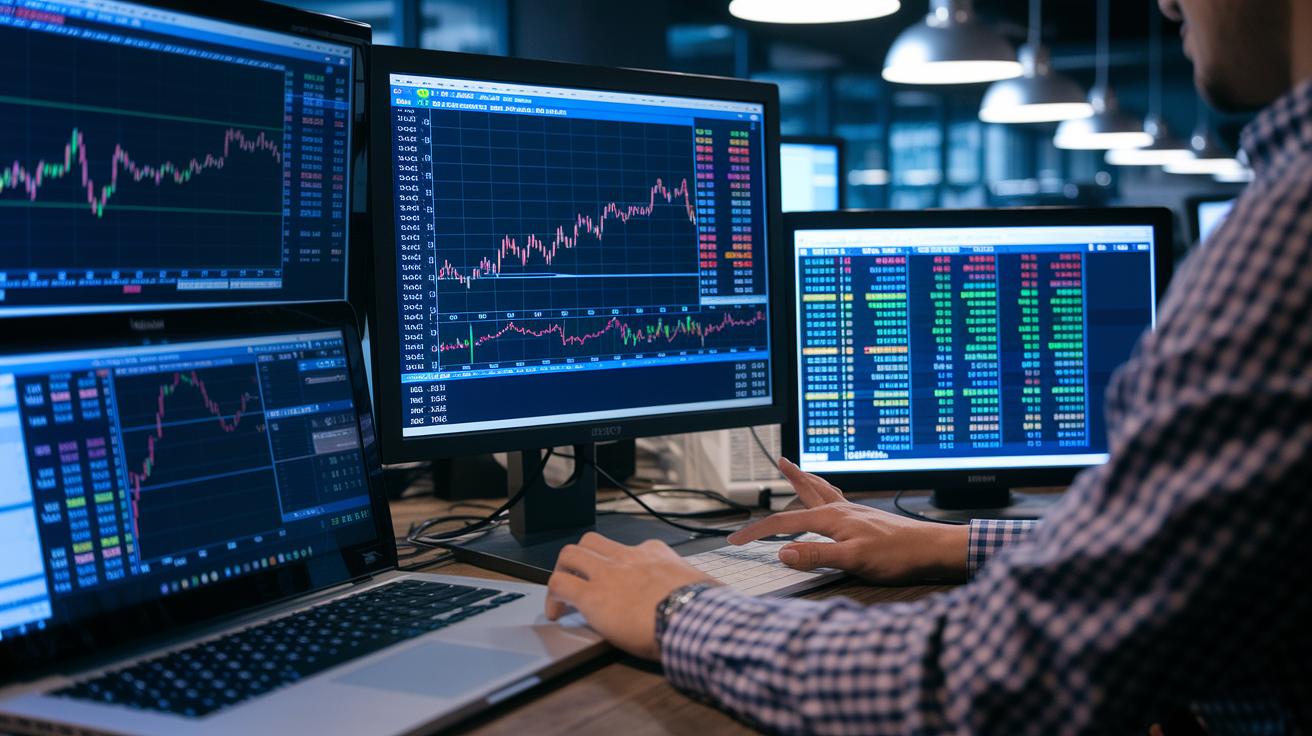
Economic calendars provide traders with a clear view of upcoming data points like Non-Farm Payroll (NFP) numbers, Consumer Price Index (CPI) readings, and central bank rate decisions. These scheduled events shape market sentiment and offer clues about global economic health.
• NFP reports signal employment trends, while sudden CPI increases may hint at rising inflation.
• Regular central bank reviews help traders manage risk and adjust positions based on expected policy changes.
A recent example is the Federal Reserve’s decision to raise interest rates. After the announcement, the US dollar grew stronger against key currencies like the euro. Trading volumes spiked as market participants quickly recalibrated their strategies, highlighting the direct impact of central bank policy on foreign exchange dynamics.
Major, Minor, and Exotic Currency Pairs in Currency Markets
Currency pairs are grouped into three types: major, minor, and exotic. Major pairs such as EUR/USD, USD/JPY, and GBP/USD offer high liquidity and narrow spreads, which means lower trading costs. Minor pairs involve developed market currencies but trade less often, causing more variable prices. Exotic pairs mix a major currency with one from an emerging or smaller economy, resulting in wider spreads and sudden price moves.
• Major pairs provide consistent liquidity and lower costs.
• Minor pairs may show pricing inconsistencies and need extra review.
• Exotic pairs carry higher volatility, requiring a higher risk appetite.
Traders pick these groups based on their strategy, risk tolerance, and market timing. Major pair analysis often involves routine technical checks and steady volume, while minor and exotic pairs call for a closer look at market conditions and potential inefficiencies.
| Pair | Category | Average Daily Volume |
|---|---|---|
| EUR/USD | Major | High |
| USD/JPY | Major | High |
| GBP/USD | Major | High |
| USD/CHF | Minor | Moderate |
| AUD/USD | Minor | Moderate |
In summary, major pairs are favored for their cost efficiency and reliability. Minor pairs can offer unique opportunities but are less predictable. Exotic pairs, while potentially lucrative, demand careful risk management due to their inherent volatility.
Emerging Trends: Digital Currencies, Crypto Platforms, and Automated Trading in Currency Markets

Digital currency platforms now let traders access both crypto and forex liquidity quickly. These systems offer fast trade execution and simple interfaces that sync with existing tools, making it easy to manage diverse portfolios.
• Traders now bridge digital assets with traditional markets.
• Platforms integrate smoothly for seamless trading.
• This mix creates new strategy options.
Algorithmic trading speeds up market moves by processing thousands of trades in milliseconds. These automated systems use built-in algorithms to sift through large data sets, which improves trade timing and cuts down on errors.
• High-frequency strategies push volumes and tighten spreads.
• Automation boosts precision in fast markets.
Blockchain technology is changing cross-border payments and trader education. Decentralized finance cuts out middlemen and lowers transaction costs, while new digital courses and webinars help traders learn complex topics quickly.
• Digital education makes trading concepts clear and safe.
• Enhanced security and efficiency benefit both digital and traditional markets.
Final Words
In the action, this post breaks down the fundamentals of exchange trading, tracks global forex trading dynamics, and explains key drivers behind currency values.
We uncovered session timings, real-time data tools, and compared technical and fundamental analysis, all while outlining practical trading strategies and risk controls.
Clear insights into economic events and digital trends empower you to act quickly in currency markets.
Stay focused, use the data smartly, and make your next move with confidence.
FAQ
Q: What are the current currency market updates and where can I see live charts?
A: Current currency market updates, including USD data and live forex charts, offer quick insights into exchange rates and trading volumes. Many platforms provide near real-time data (with a 25-minute delay per Bloomberg), ensuring traders have actionable news.
Q: What do you mean by currency market?
A: The currency market refers to the global platform where currencies are traded and exchanged. It operates under the dynamics of supply and demand influenced by economic data, central bank policies, and international trade.
Q: What is the strongest currency in the world right now?
A: The strongest currency typically indicates the one with the highest value relative to others. Currently, the Kuwaiti dinar often holds this position, though strength varies with market conditions and economic changes.
Q: How much is $1 dollar in other countries?
A: $1 converts differently across nations because of varying exchange rates. Traders should use reliable forex conversion tools or financial news resources to get precise figures as rates adjust with market activity.
Q: What are the major currency markets?
A: Major currency markets span regions in the U.S., Europe, and Asia. These markets handle high-volume trading with key pairs like EUR/USD, USD/JPY, and GBP/USD, reflecting robust liquidity and global economic interplay.