
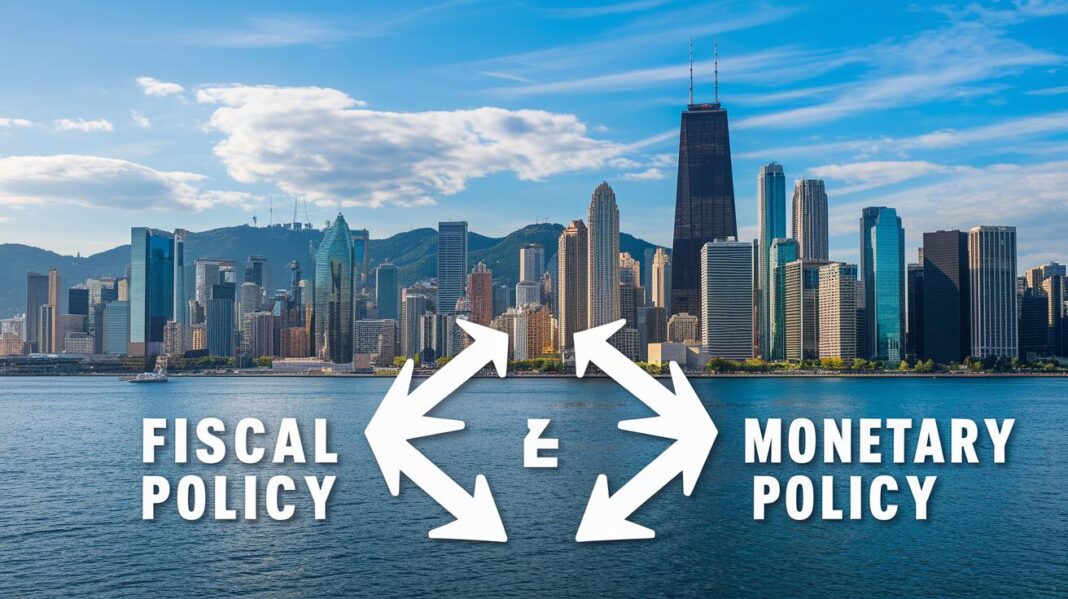

Tax Cuts vs. Rate Drops: What Investors Need to Know
A tax cut funds public programs while a rate drop lowers borrowing costs, each influencing the market in its own way.
• Fiscal policy (tax cuts) directs money to jobs and public services.
• Monetary policy (rate drops) adjusts the money supply to reduce loan rates.
• Both moves set the stage for market trends and investment opportunities.
Tax cuts shift government spending to support jobs and programs. In contrast, rate drops make borrowing less expensive, encouraging spending and growth. Recognizing these differences helps investors spot opportunities and understand market movements.
Fiscal vs Monetary Policy Differences: Clear Financial Upside
Fiscal policy is used by federal, state, and local governments to boost economic activity through spending and tax measures. By shifting budget allocations, governments directly fund programs, such as infrastructure, healthcare, and education, that put money in consumers’ pockets and support business investments. For example, increased spending on new road construction can drive job creation and economic growth.
Monetary policy, on the other hand, is set by central banks like the Federal Reserve. Instead of changing budgets, they adjust the money supply and set key interest-rate targets to influence borrowing costs and credit availability. For instance, a rate cut can make loans cheaper, encouraging business expansion and boosting consumer spending.
• Fiscal policy directly modifies government budgets, impacting debt and deficits.
• Monetary policy adjusts market liquidity without affecting government spending.
• Fiscal tools boost tangible public programs, while monetary tools maintain overall financial stability.
Both policies work in different but complementary ways to shape economic growth under varying conditions.
Fiscal Policy Instruments and Government Spending
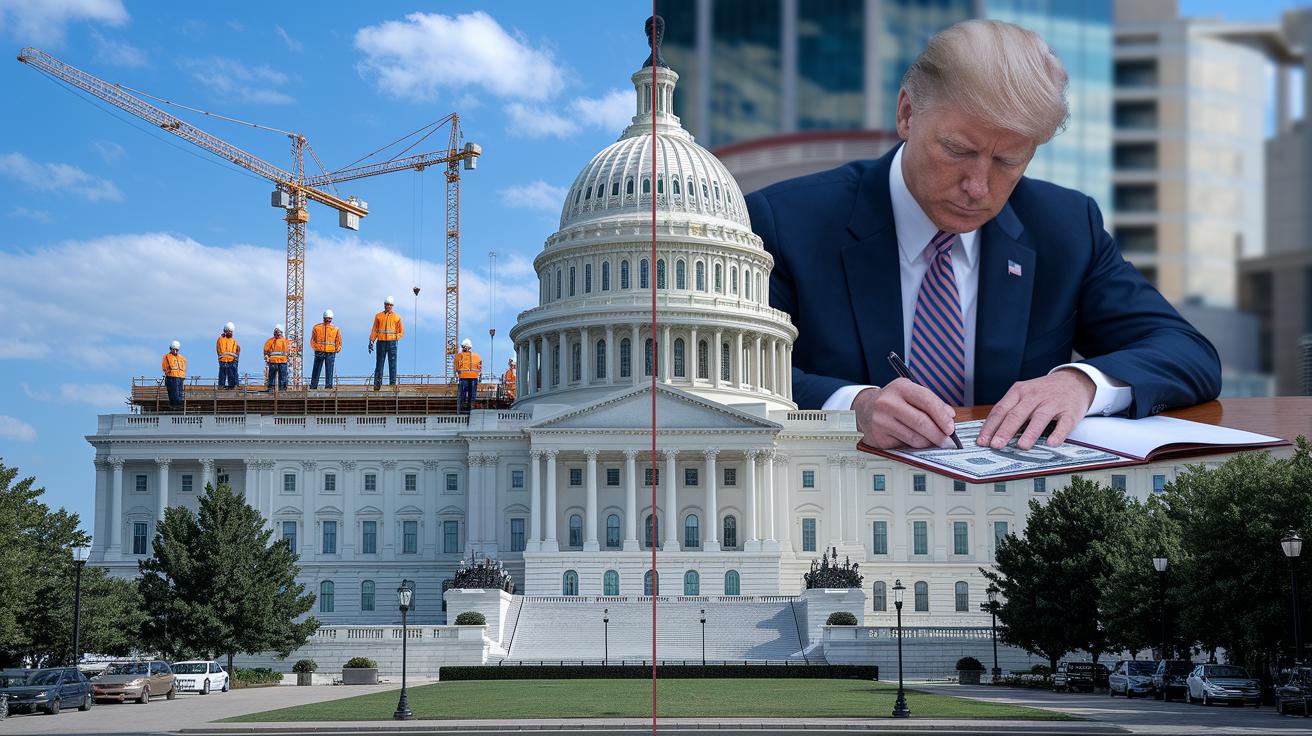
Spending vs. Taxation
Governments boost growth by either spending directly or cutting taxes. Direct spending on infrastructure, healthcare, and education creates jobs and fuels local economies. This approach improves public services and multiplies its impact across the economy. Tax cuts give people and companies extra cash, which can spur consumption and investment. However, lower taxes mean less revenue right away and can increase deficits.
• Direct spending lifts demand and services.
• Tax cuts inject cash but may widen budget gaps.
• Both methods support growth, but they stress government budgets differently.
Austerity vs. Stimulus
Austerity reduces spending to lower deficits and keep debt in check. These cuts help balance public finances short term but can drag down demand, especially in a weak economy, potentially increasing unemployment. In contrast, stimulus puts money directly into consumers' hands. For example, the 2020–2021 COVID-19 impact payments helped boost spending and cut unemployment quickly. Yet, stimulus measures can lead to higher borrowing and long-term debt concerns.
• Austerity trims spending to stabilize debt.
• Stimulus boosts demand with direct cash infusions.
• Each approach has trade-offs between short-term demand and long-term fiscal health.
Monetary Policy Tools and Money Supply Adjustments
Expansionary Monetary Policy
This policy lowers rates to make loans cheaper, encouraging both consumers and businesses to borrow. Central banks cut the federal funds rate, which reduces borrowing costs and boosts access to credit. They also use quantitative easing, buying assets to add cash into the system, to increase bank reserves and keep markets liquid during a slowdown.
• Lower rates reduce the cost of loans for spending and investment.
• Asset purchases inject cash directly, boosting liquidity.
• These measures support growth when private spending is weak.
Contractionary Monetary Policy
This policy raises rates to slow down spending and tame inflation. Central banks tighten monetary conditions by hiking interest rates, which pulls excess money from circulation. This helps control rising prices but can also slow economic growth if used too aggressively. They may also adjust reserve requirements to limit how much banks can lend.
• Higher rates make borrowing more expensive, cooling demand.
• Tightening reserve rules reduces liquidity in the market.
• Though effective against inflation, these steps can lead to slower growth if not managed carefully.
Side-by-Side Comparison of Fiscal and Monetary Policy Differences

Fiscal policies, like government spending and tax adjustments, directly change public budgets and debt. Every $1 spent can boost GDP by up to $1.50, but unchecked spending may lead to larger deficits. In contrast, monetary policies such as interest rate changes, asset purchases, and reserve requirement adjustments influence market liquidity and borrowing costs indirectly. Their effects may take 12–18 months to appear and mainly target inflation rather than government finances.
• Fiscal moves immediately shift public funds.
• Monetary actions aim to stabilize prices without affecting budgets.
• Each approach has trade-offs that policymakers and investors must consider.
In short, fiscal policies drive growth through direct budget changes while monetary policies adjust credit conditions to maintain price stability.
| Instrument | Responsible Entity | Mechanism | Primary Objective | Key Risk |
|---|---|---|---|---|
| Government Spending | Federal, state, local governments | Direct expenditure on public programs | Boost aggregate demand | Increased deficits and long-term debt |
| Taxation | Federal, state, local governments | Adjust tax rates and collections | Fund services and stimulate spending | Widening budget gaps |
| Interest Rate Adjustment | Central banks (e.g., Federal Reserve) | Set policy rates | Influence borrowing and spending | Delayed impact on inflation |
| Asset Purchases | Central banks | Buy securities to add liquidity | Support market liquidity | Risk of asset bubbles |
| Reserve Requirement Changes | Central banks | Modify mandated bank reserves | Control bank lending capacity | Over-restriction of credit |
Historical Examples Highlighting Policy Differences and Outcomes
In the early 1980s, the Federal Reserve led by Paul Volcker took a hard stance on inflation. The prime rate hit above 21% to slow rising prices. As a result, the economy suffered two recessions and unemployment climbed past 10%.
• 1980s Fed policy shows how aggressive rate hikes can help control inflation but may also slow growth dramatically.
During the COVID-19 crisis in 2020–2021, the US government used the CARES Act to deliver strong fiscal support. Direct payments to households helped boost demand and pushed the unemployment rate below 8%. This fiscal move provided short-term relief but also raised concerns about larger budget deficits and long-term debt.
• The CARES Act example highlights how fiscal stimulus can ease economic pain quickly while raising future debt challenges.
More recently, global central banks have raised rates multiple times after the pandemic to fight persistent inflation. These moves aim to control prices but risk slowing down economic recovery, a clear trade-off between stimulating growth and keeping inflation in check.
• Today’s rate hikes underscore the balance that policymakers face when choosing between boosting growth and maintaining price stability.
Advantages and Limitations of Fiscal vs Monetary Approaches

Fiscal policy delivers targeted spending and tax changes to support key sectors and communities. It aims to boost job creation and spur local demand.
- Fiscal Policy:
- Targets specific sectors to drive employment.
- Can boost GDP by up to 1.5 times.
- Stimulates local demand with precise actions.
- May experience political delays.
- Increases government debt with extra spending.
Monetary policy adjusts interest rates quickly to change borrowing costs across markets. It keeps liquidity flowing when economic conditions shift.
- Monetary Policy:
- Alters rates rapidly to manage liquidity.
- Provides broad market support.
- Reacts instantly to changing economic data.
- Uses a wide approach that lacks sector focus.
- Risks asset price inflation if liquidity is too high.
Coordinating Fiscal and Monetary Policy for Economic Stability
Government budget cycles and central bank rate decisions often don’t match up. This mismatch means spending packages may launch after the economy has already shifted, and rate cuts or hikes can come too late. The result is delayed economic support, which can unsettle investors and market players.
Key takeaways:
- Fiscal actions may lag behind current economic conditions.
- Central banks and governments often follow different schedules.
- Poor timing creates uncertainty in the markets.
Institutional factors add extra challenges. Central banks work independently, and political pressures steer government spending in another direction. These differences can make policies work against each other, complicating economic shifts. Political cycles and strict budget rules further limit coordination.
Past experience shows that combining fiscal and monetary actions can help. Joint strategies, like mixing targeted spending with rate cuts, have stabilized growth and kept inflation in check. Aligning these actions reduces delays and strengthens overall economic stability.
Final Words
In the action, we broke down how government spending and tax policies differ from central bank tactics like interest rate shifts.
• We examined key fiscal vs monetary policy differences and noted distinct impacts on growth and budget dynamics.
• Historical examples showed real-world effects from stimulus measures to rate hikes.
• Coordinated approaches can harness the strengths of both methods.
These insights offer actionable cues for navigating market moves. Stay focused, solid analysis paves the way for confident decisions.
FAQ
What are the differences between fiscal and monetary policy?
The differences hinge on implementation: fiscal policy involves government spending and tax changes to influence demand, whereas monetary policy is managed by a central bank adjusting interest rates and money supply to control liquidity and inflation.
How do fiscal policy and monetary policy compare in terms of mechanisms?
The comparison shows that fiscal policy uses direct spending and tax strategies to drive economic activity, while monetary policy adjusts credit conditions through interest rates, asset purchases, and reserve requirements.
Which is considered better: monetary policy or fiscal policy?
The answer depends on the economic situation. Fiscal policy offers targeted support through specific spending, whereas monetary policy works broadly to influence liquidity and inflation, each carrying distinct risks and timing.
What is the primary difference in monetary and fiscal policy?
The primary difference is that fiscal policy directly alters government budgets through taxes and spending, while monetary policy indirectly shapes economic conditions by managing interest rates and the money supply.
What is the meaning of monetary and fiscal policy?
These terms mean that fiscal policy involves government decisions on spending and taxation to boost or cool the economy, while monetary policy refers to actions by the central bank to control interest rates and money supply.
Does the US use fiscal or monetary policy?
The US employs both approaches: fiscal policy is executed through government budget decisions, and monetary policy is managed by the Federal Reserve through interest-rate adjustments and liquidity controls.
How do fiscal, monetary, and supply-side policies differ?
The differences are clear: fiscal and monetary policies target demand through spending, taxes, and money adjustments, while supply-side policy focuses on incentives and regulatory measures to boost production and investment.