


Digital Currency Growth in Emerging Markets
Digital currencies are gaining traction in regions where banks fall short. Residents are turning to cryptocurrencies for quick transactions and protection against unstable local currencies.
• Cryptos offer fast, reliable payments.
• Studies show a surge in digital currency use in Central and Southern Asia and Oceania.
• This trend supports daily transactions and reshapes local economies.
Traditional banks often fail to meet the needs of emerging markets. As a result, many residents use digital money to bypass local currency instability and keep their finances moving swiftly. Recent research indicates that regions like Central and Southern Asia and Oceania are at the forefront of this shift, a trend that could signal broader economic changes ahead.
Overview of Cryptocurrency Adoption in Emerging Markets
Emerging markets are quickly turning to digital currencies, showing a clear shift in global finance. The 2023 Global Crypto Adoption Index reveals that six of the top ten regions adopting crypto are in Central & Southern Asia and Oceania. Market value is expected to hit $3.0bn by the end of 2025 and reach $4.77bn by 2030, growing at 15.4% annually.
Quick takeaways:
- 28% of U.S. adults already own crypto, with 14% of nonowners planning to join by 2025.
- 67% of current crypto holders say they will boost their investments.
- Many users without bank accounts rely on smartphones and internet access to use crypto services.
These trends highlight how digital money is reshaping financial access. In regions with limited traditional banking options, people are increasingly using crypto for fast and secure transactions. This shift not only boosts individual financial activity but also paves the way for broader economic change.
Economic Drivers Behind Emerging Markets Cryptocurrency Adoption

Emerging markets increasingly turn to digital currencies to manage economic challenges.
- Remittance flows increased 3% in 2023 to $860bn, benefiting key countries like India, Mexico, China, the Philippines, and Egypt.
- In Argentina, 87% of people believe crypto can offer a path to financial independence amid a weak peso.
- Turkey witnessed a nearly 60% fall in its lira from 2021 to 2023, with inflation hitting 85.5%, driving many to use crypto as a hedge.
- Globally, 20% of respondents see crypto as a tool to avoid traditional banks, and 23% of cross-border transactions now use digital assets.
In many emerging markets, families without easy banking access favor low-cost crypto transfers. With domestic currencies losing value, consumers in Argentina and Turkey, among others, see digital assets like Bitcoin as a practical safeguard. Peer-to-peer systems further simplify transactions, reinforcing crypto’s growing role in everyday financial activities.
Case Studies of Cryptocurrency Adoption in Emerging Markets
Emerging markets are quickly using crypto in everyday transactions. In India, digital remittances and peer-to-peer over-the-counter (OTC) platforms now play a big role in daily finance. Mobile wallets and OTC markets are replacing cash, letting millions send money safely.
• India now leads in digital remittances.
• Mobile payments and OTC platforms drive secure transactions.
• Transition from cash to digital boosts financial access.
Mexico offers a clear example. Bitso, a local crypto exchange, processed remittances worth €3.15bn with fees under 1% for US-to-Mexico transfers. This low-cost model is pushing more users to choose crypto over traditional banking options.
• Bitso handled €3.15bn in remittances.
• Transfer fees stay below 1%.
• The model supports affordable cross-border money flows.
The Philippines is also on the rise. Mobile wallets and local OTC networks help reach populations without access to banks. This tech-driven change fills long-standing gaps by offering secure, decentralized financial options.
• Mobile solutions bridge the gap for the unbanked.
• Local OTC networks boost financial inclusion.
• Decentralized options meet essential user needs.
In Argentina, many residents turn to crypto as a shield against a falling peso, using digital assets to protect their savings. Meanwhile, a 60% drop in Turkey’s lira and an 85.5% inflation rate have spurred a surge in Bitcoin use as a way to find stability.
• In Argentina, crypto acts as a hedge against currency decline.
• Turkey sees a spike in Bitcoin amid sharp economic shifts.
• Digital assets offer a stable alternative in volatile markets.
| Country | Adoption Rate (2025) | Remittance Volume (USD) | Regulatory Stance |
|---|---|---|---|
| India | High | Substantial | Supportive Framework |
| Mexico | Rising | €3.15bn (US remittances) | Moderately Regulated |
| Philippines | Growing | Significant | Enabling Environment |
| Argentina | Robust | Considerable | Lenient |
| Turkey | Accelerated | Hedge Demand Driven | Uncertain |
Technological Enablers Shaping Cryptocurrency Adoption in Emerging Markets

Mobile-first solutions, improved blockchains, and offline tools are driving crypto access in emerging markets.
• Mobile wallets now let users without bank accounts send funds with just a smartphone.
• Blockchain upgrades cut fees and speed up transfers, making cross-border payments smoother.
• Local exchanges offer offline features to serve regions with spotty internet.
In Southeast Asia, a startup launched a mobile wallet that empowers people to manage finances without traditional banks. Advances in blockchain mean transactions are fast and secure, ideal for daily remittances and international transfers. Smart-contract remittance services also simplify peer-to-peer exchanges by automating the process.
Local crypto platforms are stepping up in areas with unreliable internet. They incorporate offline transaction functions, which help users complete financial deals even when network conditions are poor. This approach gives a much-needed boost to regions where regular banking systems fall short.
Together, these mobile and blockchain improvements help lower costs and delays. They bring practical digital payment options to the unbanked, and set the stage for greater crypto adoption despite connectivity challenges.
Regulatory Landscape Impacting Cryptocurrency Adoption in Emerging Markets
Governments in emerging markets are setting very different rules for crypto, creating both opportunities and risks. This matters because clear rules build investor trust, while unclear or strict bans slow progress.
• Some countries use clear digital asset rules that boost confidence and streamline local trading.
• Others enforce bans or vague guidelines that leave traders guessing.
• Ongoing legal updates force local crypto desks and platforms to keep up with changing policies.
In several regions, governments are testing new digital ledger pilots to update national financial systems. These reforms aim to spur innovation while protecting consumers, though uneven rule enforcement still adds uncertainty. Recent government moves, like crypto executive orders, signal a push for stability and better blockchain integration.
Some markets view regulatory clarity as key to growth, while unstable legal environments can hurt market stability, investor behavior, and cross-border flows. This evolving scene shows that precise, tailored rules are needed to support both innovation and market integrity.
Cryptocurrency Adoption and Financial Inclusion in Emerging Markets
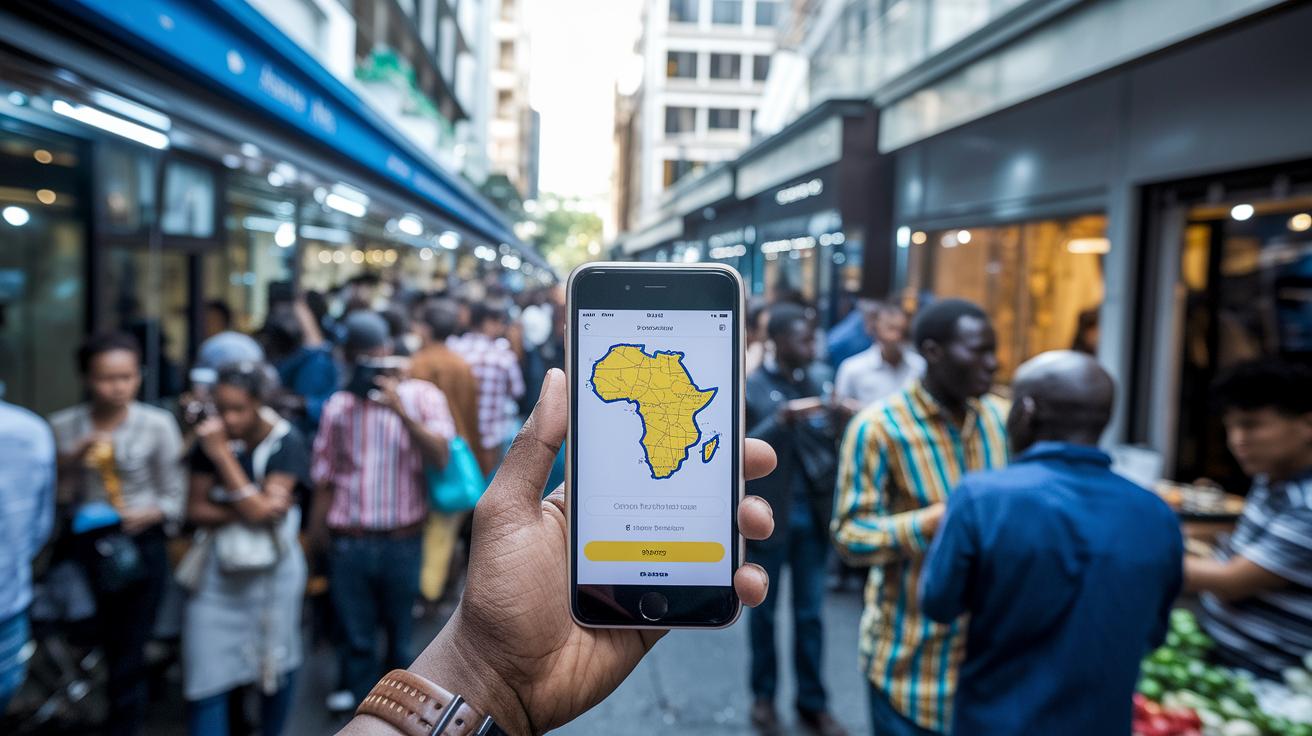
Crypto remittance platforms like BitPesa now charge 1%–3% fees in Sub-Saharan Africa, compared to up to 20% with traditional services. This cost drop helps families send money home at lower prices, making digital currencies a practical choice for cross-border transfers. With only a smartphone, unbanked and underserved populations can securely access financial services through decentralized systems.
- Lower fees make daily money transfers more manageable.
- Mobile platforms offer secure digital payments to those without bank accounts.
- Peer-to-peer exchanges and decentralized finance give communities a banking alternative.
Digital payment tools are creating nonbank financial ecosystems that modernize traditional banking. Even remote areas can now join the digital economy. In regions where less than half the population is banked, a simple mobile device opens the door to secure financial services and affordable transfers. Leveraging decentralized finance, emerging markets are turning everyday transactions into steps toward broader financial inclusion.
Future Outlook for Cryptocurrency Adoption in Emerging Markets
Emerging markets face new challenges that could change how digital currencies are used.
- Geopolitical events and stricter regulations may limit market access and change compliance rules.
- About 43% of buyers now prefer Ethereum for its smart contract features, moving away from Bitcoin’s traditional role.
- Changing consumer habits and increased mobile payments will likely boost everyday crypto use.
- Big companies are investing in blockchain security and cross-chain technology, showing a long-term push for innovation.
New research shows that digital identity tools and modern consensus methods could shift asset mixes while reducing current risks. This may lead to quicker growth in a more complex market.
Final Words
In the action, the post showcased how emerging markets are adopting cryptocurrency through dynamic mobile technology, evolving regulations, and data-backed trends driving digital payments.
It reviewed key economic drivers, country case studies, tech enablers, and regulatory shifts that are lowering barriers and expanding access.
This clear snapshot of crypto's role offers a promising outlook for a more inclusive, agile financial world. Stay tuned as these trends continue to elevate opportunities in digital finance.
FAQ
How are emerging markets adopting cryptocurrency?
The approach in emerging markets is detailed in both PDF reports and essays. Adoption is driven by mobile wallets, peer-to-peer networks, and regulatory shifts that empower financial inclusion and ease economic pressures.
How do stablecoins operate in emerging markets and what is their usage by country?
Stablecoins offer a reliable digital asset alternative amid volatile local currencies. They are used variably by country to lower fees, support remittances, and provide accessible financial services in underbanked regions.
How does cryptocurrency enhance financial inclusion and economic empowerment in these markets?
Cryptocurrency boosts inclusion by lowering transaction costs and offering banking alternatives solely via smartphones and the internet. It supports unbanked communities and increases economic independence in regions facing currency challenges.