


Investment-Grade vs. High-Yield Bonds
Investors weighing returns and risk have clear choices. Investment-grade bonds offer a default risk under 1% for stability. High-yield bonds deliver sharper yields but come with roughly twice the volatility.
• Investment-grade bonds keep default risk under 1%.
• High-yield bonds offer more yield but have higher price swings.
• Both bond types play a key role in a balanced portfolio.
By cutting through the noise, this guide shows how each bond type fits your strategy. Understanding their risks and rewards is essential for winning in today’s bond market.
How Investment Grade vs High Yield Corporate Bonds Differ in Risk and Return
Investment-grade bonds carry low risks. They usually default less than 1% of the time and show few price swings. High-yield bonds, on the other hand, offer better returns by taking on more risk. They often have about twice the volatility of top-quality government debt.
• Investment-grade bonds feature default risks below 1% and steady prices.
• High-yield bonds expose investors to more risk and about 2x volatility.
• Yields typically range from 1% to 3% for investment-grade bonds compared to 5% to 8% for high-yield bonds.
• A barbell strategy that pairs stable Treasuries with high-yield bonds can help balance risk and boost returns.
Investors looking for steady income might stick with investment-grade bonds for their low risk. Those who can tolerate more ups and downs may opt for high-yield bonds to capture larger coupon payments. Active portfolio management is key to adjusting for changes in interest rates and credit trends. A balanced mix, such as a 50/50 split between credit assets and government debt, can help manage risk while aiming for higher overall returns.
Credit Rating Distinctions for Investment Grade vs High Yield Corporate Bonds

Rating agencies like S&P, Moody’s, and Fitch sort bonds into two groups based on credit risk. Investment-grade bonds (rated AAA, AA, A, or BBB) usually see default rates under 1.0%, offering lower risk and modest yields. High-yield bonds (rated BB, B, or CCC) face default rates above 4.0% and compensate investors with higher coupons.
• Investment-grade bonds provide stability with lower default risk.
• High-yield bonds deliver higher returns at the cost of increased risk.
• These classifications help investors build balanced portfolios.
• Strategies like the credit barbell mix safe bonds with high-yield assets to match risk tolerance.
| Rating Category | Moody’s Example | S&P Example | Typical Yield Range | Approximate Annual Default Rate |
|---|---|---|---|---|
| AAA | AAA | AAA | 1.0%-1.5% | <1.0% |
| AA | AA | AA | 1.1%-1.7% | ~0.5% |
| A | A | A | 1.2%-2.0% | 0.5%-0.8% |
| BBB | BBB | BBB | 1.5%-3.0% | 0.8%-1.0% |
| BB | BB | BB | 4.0%-6.0% | ~4.0% |
| B | B | B | 5.0%-7.0% | ~6.0% |
| CCC | CCC | CCC | 8.0%-12.0% | 10%-20% |
This clear cut helps investors decide how to tailor their bond portfolios based on risk and desired yield.
Comparative Yield Analysis in Investment Grade vs High Yield Corporate Bonds
Investment-grade bonds yield between 1% and 3%, while high-yield bonds offer 5% to 8% to offset higher credit risk. Investors use these yield differences to balance income and risk.
• Investment-grade bonds deliver lower yields thanks to strong credit ratings and default risks below 1%.
• High-yield bonds pay higher coupons because they carry default risks above 4%.
• The yield spread between BBB and BB bonds typically ranges from 150 to 400 basis points, reflecting extra compensation for taking on more risk.
Changes in the yield curve can affect both types. When the curve flattens during uncertain times, high-yield bonds may experience larger yield shifts compared to more stable investment-grade bonds. Duration, which measures interest rate sensitivity, also plays a role, longer durations increase vulnerability to rate changes.
This analysis of yield differences and risk-adjusted returns offers key insights for making informed decisions between investment-grade and high-yield corporate bonds.
Liquidity and Market Dynamics for Investment Grade vs High Yield Corporate Bonds
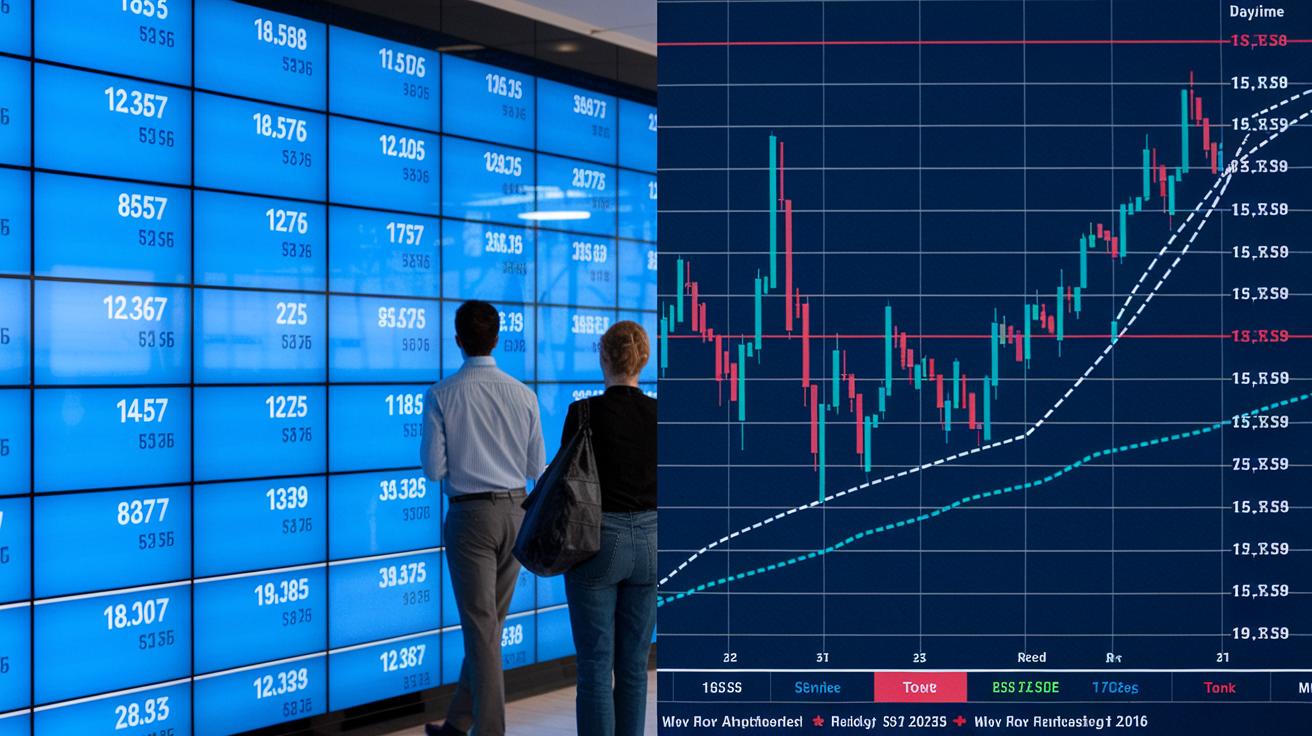
Investment-grade bonds trade in deep markets with narrow bid-ask spreads, which means you can buy and sell them quickly even when prices are volatile. This high liquidity helps investors feel more secure during uncertain times. On the flip side, high-yield bonds see lower trading volumes and wider spreads. When market stress rises, these bonds can experience larger price swings.
Market activity often shifts during downturns, with investors favoring the stable, liquid investment-grade space. During economic expansion, however, the desire for higher returns boosts interest in high-yield bonds, which can help narrow their spreads and mitigate some volatility.
• Investment-grade bonds offer deep liquidity and stable pricing.
• High-yield bonds show wider spreads and are more sensitive during market stress.
• Changing market conditions affect both liquidity and trade volumes for each bond type.
Portfolio Allocation Strategies Involving Investment Grade vs High Yield Corporate Bonds
Investors mix stable income from investment-grade bonds with the higher returns of high-yield bonds. The credit barbell strategy uses a 50/50 split of Treasuries and high-yield credit, boosting potential returns while maintaining balance.
• Active managers adjust allocations in response to changing interest rates and credit cycles.
• Dropping riskier bonds (like CCC-rated issues) helps cut default risks during market stress.
• Shifting exposures, favoring high-yield bonds in growth periods and investment-grade bonds in uncertainty, aligns portfolios with current market conditions.
Investors should tailor these approaches based on their risk tolerance and investment horizon. This method streamlines diversification while enhancing risk management and yield potential.
Final Words
In the action, we broke down the risk-return balance of investment grade vs high yield corporate bonds. We examined default probabilities, yield differentials, liquidity factors, and strategic portfolio allocations. Each section offered a clear look at how credit ratings shape trading and investment decisions. Small trade ideas and market signals emerged across our analysis, giving you direct insight into risk exposure and return potential. Stay focused on market signals and keep strategies flexible for bright days ahead.
FAQ
What is the difference between investment grade and high yield corporate bonds?
The difference between investment grade and high yield corporate bonds lies in credit ratings, risk, and yield. Investment grade bonds are rated BBB or higher, have low default risk (under 1%), and yield 1–3%, while high yield bonds carry higher risk and offer 5–8% yields.
How do credit ratings influence investment grade versus high yield bonds?
Credit ratings from agencies like S&P, Moody’s, and Fitch determine bond quality. Investment grade bonds (AAA to BBB) exhibit lower default rates, while high yield bonds (BB and lower) face higher default probabilities and require higher coupon rates.
What are the yield differences between investment grade and high yield bonds?
Investment grade bonds typically yield around 1–3%, whereas high yield bonds offer returns between 5–8% to compensate for their increased credit risk, with historical spreads ranging from 150 to 400 basis points between comparable ratings.
What examples illustrate high grade versus high yield bonds?
High grade bonds include those rated AAA or AA from well-established companies, while high yield bonds tend to be rated BB or lower from companies with higher credit risk, reflecting their divergent risk profiles and return expectations.
How do market liquidity and trading dynamics differ between these bonds?
Investment grade bonds trade in deep, liquid markets with narrow bid-ask spreads. In contrast, high yield bonds often see lower trading volumes and wider spreads, particularly during market stress, influencing pricing and transaction costs.
How can investors use these bonds in portfolio allocation strategies?
Investors blend investment grade and high yield bonds to calibrate risk and return. Strategies like credit barbells allow exposure to high-yield returns while preserving stability through higher-quality bonds, matching risk tolerance and market conditions.