


Market Moves Explained
The market can feel unstoppable one moment and halt the next. Factors like economic metrics, investor sentiment, policy changes, tech advances, and regulatory shifts drive these moves.
• Economic numbers and data boost optimism.
• Investor sentiment can shift quickly after major news.
• Policy updates and tech trends set the stage for market direction.
Understanding these key elements can help you spot trading opportunities and make smarter investment choices.
Market Dynamics Explained: Core Drivers and Forces
Understanding market dynamics is key to making smart investment decisions. When investors see how supply and demand, sentiment, and economic trends work together, they can better predict market moves.
- Economic metrics
- Sentiment shifts
- Policy moves
- Tech advances
- Trade flows
- Regulatory changes
- Supply-demand imbalances
These factors work together to shape the market. Economic numbers like GDP, employment, and inflation give a snapshot of market health. Shifts in investor feelings can drive rapid price changes. Policy decisions by governments or central banks can add stability or create uncertainty. Advances in technology open new trading opportunities. Trade flows show how money and goods move across borders. Regulatory changes can shift capital between sectors. Finally, gaps in supply and demand often create immediate market pressures.
For investors, knowing these drivers gives clear, actionable insights. Linking new economic data with market sentiment lets traders adjust their strategies quickly, boosting the chance for long-term gains while managing risks.
Economic Indicators and Macro Trends Driving Market Dynamics
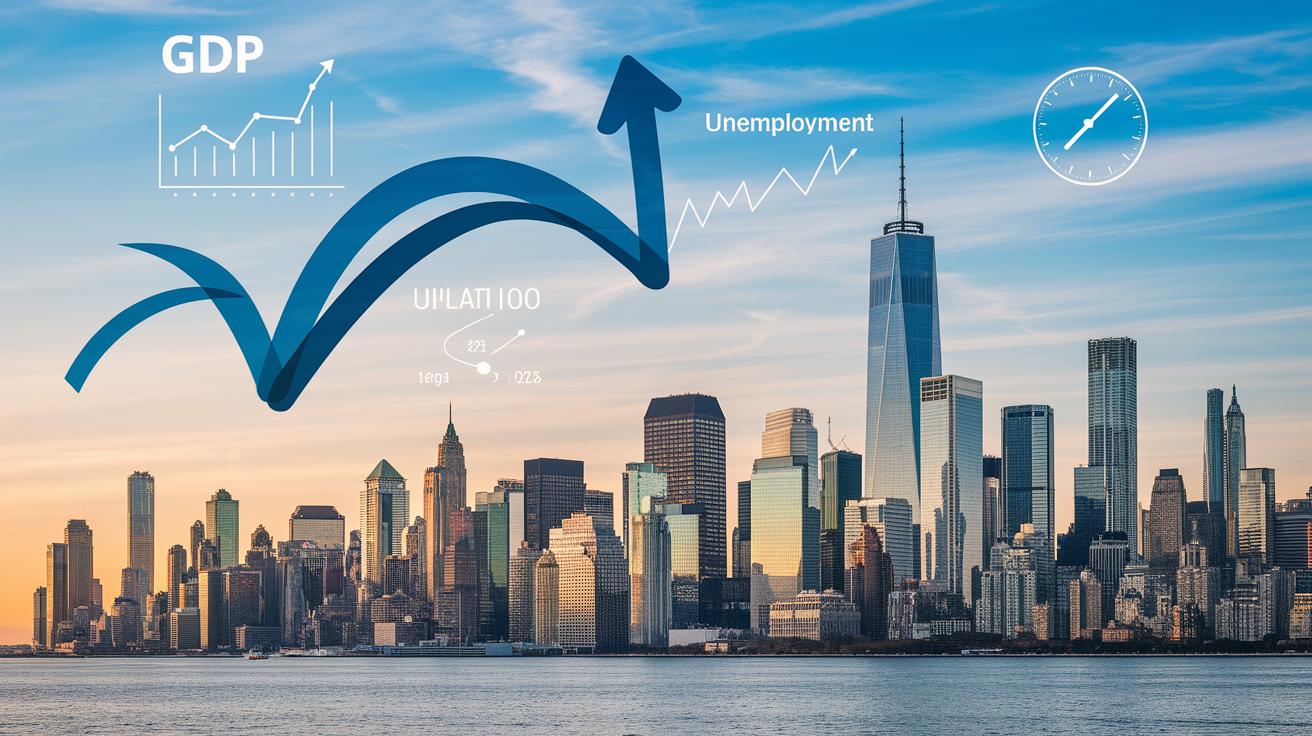
Economic data like GDP, unemployment, and inflation show us how healthy the market is. Central banks, especially the Federal Reserve, change interest rates to keep growth steady and control inflation. Low rates make borrowing cheaper and can boost spending, while rate hikes help slow down sectors that are growing too fast. Rising inflation may force governments to adjust policies, which can change commodity prices and shift supply and demand in various industries. Investors use these signals to decide if the economy is set to grow or slow down.
• GDP growth can mean more spending by consumers.
• An increasing unemployment rate may signal trouble ahead.
• Changes in interest rates affect borrowing costs and investment.
| Indicator | Latest Reading | Market Impact | Example |
|---|---|---|---|
| GDP Growth | 3.0% | Raises confidence | More spending lifts company earnings |
| Unemployment Rate | 4.1% | Shows labor market strength | Low rates support hiring |
| Inflation Rate | 2.3% (inflation outlook) | Causes price swings | Steady inflation keeps borrowing costs in check |
| Policy Rate | 1.75% | Drives borrowing and investment | Rate changes shifting stocks and bonds |
Keeping track of these data points helps you adjust your portfolio with the current market trends. Watching interest rates, inflation, GDP, and job numbers connects the big picture to quick, actionable decisions.
Market Sentiment and Consumer Behavior Shifts in Market Dynamics
Investor sentiment sparks rapid market moves. Emotions like fear and greed cause quick swings. Buyers often jump in during optimism, while fear triggers sell-offs.
• Consumer surveys show when households and businesses feel secure enough to spend.
• Volatility measures like the VIX reflect market anxiety in real time.
Traders track these indicators to fine-tune their positions. By watching shifts in confidence and volatility, they set clear entry and exit points to manage risk. This approach helps balance optimism with caution in a fast-changing market.
Technological Disruption Effect on Market Dynamics
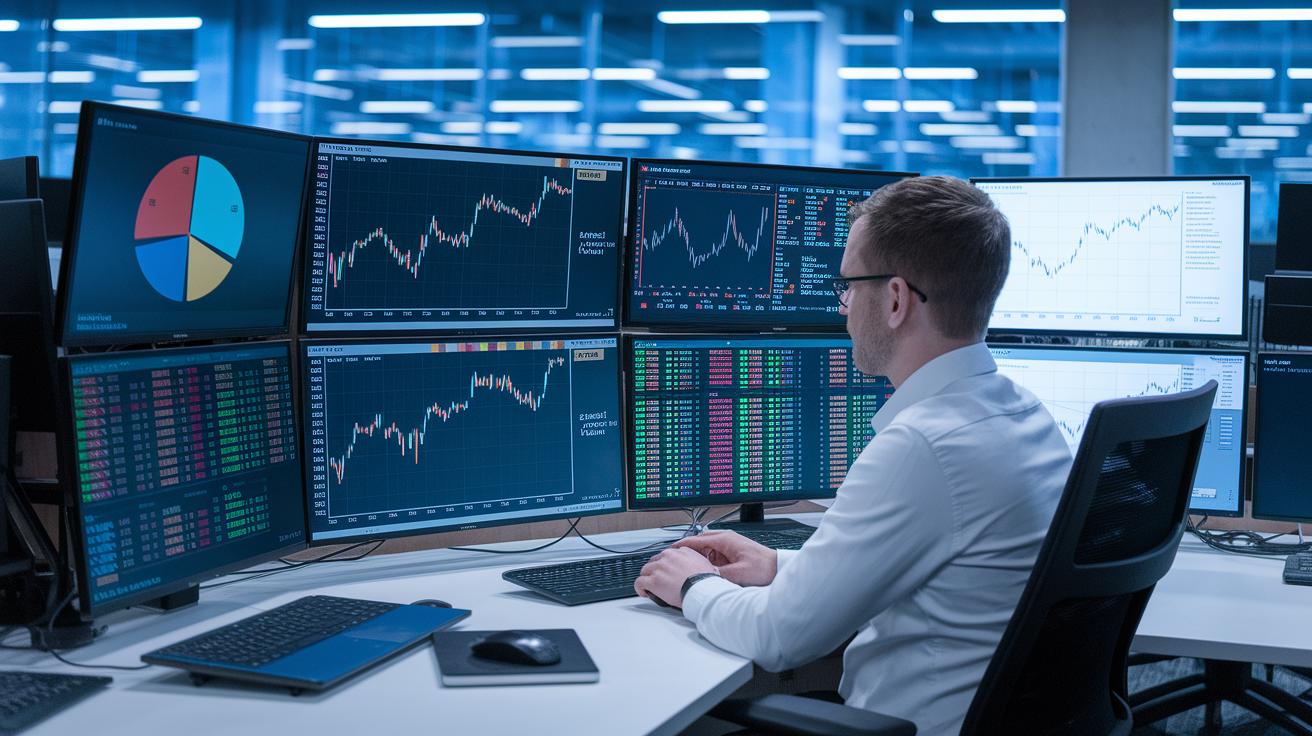
Tech advances in automation, artificial intelligence, blockchain, and biotechnology are reshaping how markets trade and value assets. New digital tools are streamlining trading and fueling growth in emerging segments.
- Algorithmic platforms and real-time analytics boost insights into liquidity and price discovery.
- Tech-driven innovations improve efficiency and forecasting accuracy.
- Blockchain increases transparency, drawing investor capital to pioneering industries.
These shifts are forcing market players to adjust their strategies. Investors now track technological trends closely to spot opportunities and manage risk. Traditional trading methods are evolving as digital tools become central to decision-making, promising clearer signals and faster responses in a dynamic market landscape.
Government Regulation and Global Trade Policies Influencing Market Dynamics
Government moves and policy changes shape market mood and risk. Election outcomes, new trade deals, tariffs, and changes in environmental or antitrust rules can raise uncertainty or boost confidence. Adjustments in banking, energy, and tech rules often cause specific sectors to move and funds to shift quickly.
- Tariff hikes have shifted commodity prices.
- Tech regulation updates have led to fast share price changes.
- Capital moves in response to new compliance rules and trade deals.
- Investors need to track these policy changes to adjust strategies.
Recent examples show that tariff increases push commodity prices higher and prompt investors to move funds across borders. Updates in tech regulations have moved shares rapidly and affected currency volatility. Traders and advisors should keep a close eye on global trade policies to adjust portfolios and manage risk effectively.
Case Studies of Market Dynamics Interactions

Fed Rate Hikes (2022) Drive Yield Inversions and Stock Declines
Lede: In 2022, the Fed raised rates, which inverted the yield curve and pushed stocks lower.
• Bond yields shifted as borrowing costs rose.
• Equity markets dropped as risk perceptions changed.
• Monetary tightening quickly altered liquidity and valuation.
The Fed's rate hikes in 2022 led to rapid changes in the fixed income and equity markets. Rising borrowing costs forced investors to quickly reassess risk, leading to lower bond yields and stock values. This episode shows how quickly monetary policy actions can shift market sentiment.
Russia-Ukraine Conflict Spurs Oil Price Spike and Global Market Shifts
Lede: Rising tensions in the Russia-Ukraine conflict drove oil prices higher, impacting global stocks.
• Oil prices surged, raising energy costs.
• Higher fuel expenses squeezed industrial margins.
• Investors scrambled to adjust their strategies amid uncertainty.
Geopolitical tensions from the Russia-Ukraine conflict triggered a sharp rise in oil prices. The resulting increase in energy costs pressured industrial earnings and shifted capital flows, forcing investors to rework their portfolios quickly. This case illustrates how global events can heighten market volatility and create both risks and opportunities.
Key Takeaways for Investors
• Keep a close eye on central bank policies and geopolitical events.
• Rapid policy shifts and global shocks can create both risk and opportunity.
• Adjust risk management strategies to navigate volatile market conditions.
Final Words
In the action, we explored how market trends evolve through economic indicators, sentiment shifts, technological disruption effect, and global trade policies.
We broke down these drivers into clear, actionable insights, linking real-world examples to tradeable opportunities that matter.
Armed with an understanding of the factors influencing market dynamics, investors have the clarity they need to make decisions with confidence and stay ahead in fast-moving markets.
FAQ
What are the factors influencing market dynamics in economics?
The factors influencing market dynamics include economic indicators (like GDP and inflation), investor sentiment, political events, technological innovation, supply-demand imbalances, and global policy shifts.
What does market dynamics mean?
Market dynamics mean the ongoing interplay between supply, demand, investor behavior, and external forces that shape price movements and trends in an economy.
What are some examples and types of market dynamics?
Examples of market dynamics include effects from economic data shifts, investor sentiment changes, technological advances, regulatory updates, and global trade adjustments, each reflecting distinct market forces.
What are the 6 market dynamics?
While lists may vary, six market dynamics can be defined as economic metrics, sentiment changes, policy moves, technological advances, trade flows, and supply-demand imbalances.
What are the 7 factors affecting demand?
The 7 factors affecting demand typically include price, consumer income, preferences, demographic changes, availability of substitutes, complementary goods pricing, and expectations about future prices.
Where can I find a market dynamics PDF or study guide?
Market dynamics PDFs and study guides are often released by financial institutions and academic sources, detailing topics like economic trends, sentiment shifts, and the impact of regulatory changes.
What are current market dynamics and market dynamics theory?
Current market dynamics refer to real-time shifts driven by economic data and sentiment, while market dynamics theory examines how these evolving forces interact over time to shape market trends.