


Your business can learn from data. Applied insights turn raw data into clear, actionable steps that drive growth in fast-moving markets. They break down complex numbers into simple signals so decision makers can act with confidence. This method improves forecast accuracy, lowers risk, and speeds up resource allocation, keeping companies competitive. In short, applied insights offer a reliable way to boost growth and strengthen market standing.
Driving Decision Science with Applied Insights
Applied insights turn raw data into clear, actionable steps that help businesses respond quickly in fast-changing markets. They break down complex numbers into simple signals, so decision makers can act confidently.
• Better forecast accuracy
• Reduced risk
• Smoother resource allocation
• Faster responses
• Stronger market position
Studies show that 95% of AI projects fail when insights aren’t put to work. Over 20 years, experts have refined three key principles to turn analytic results into real business moves. This method not only supports smart, data-based decisions but also builds a lasting competitive edge.
Many companies now use decision support systems that mix advanced analytics with real-world execution. For example, these systems help refine forecast models for shifting market needs and speed up resource allocation. By basing strategies on applied insights, firms can watch market trends closely and adjust quickly, reducing risk and driving growth in dynamic conditions.
Data Analysis Frameworks for Applied Insights
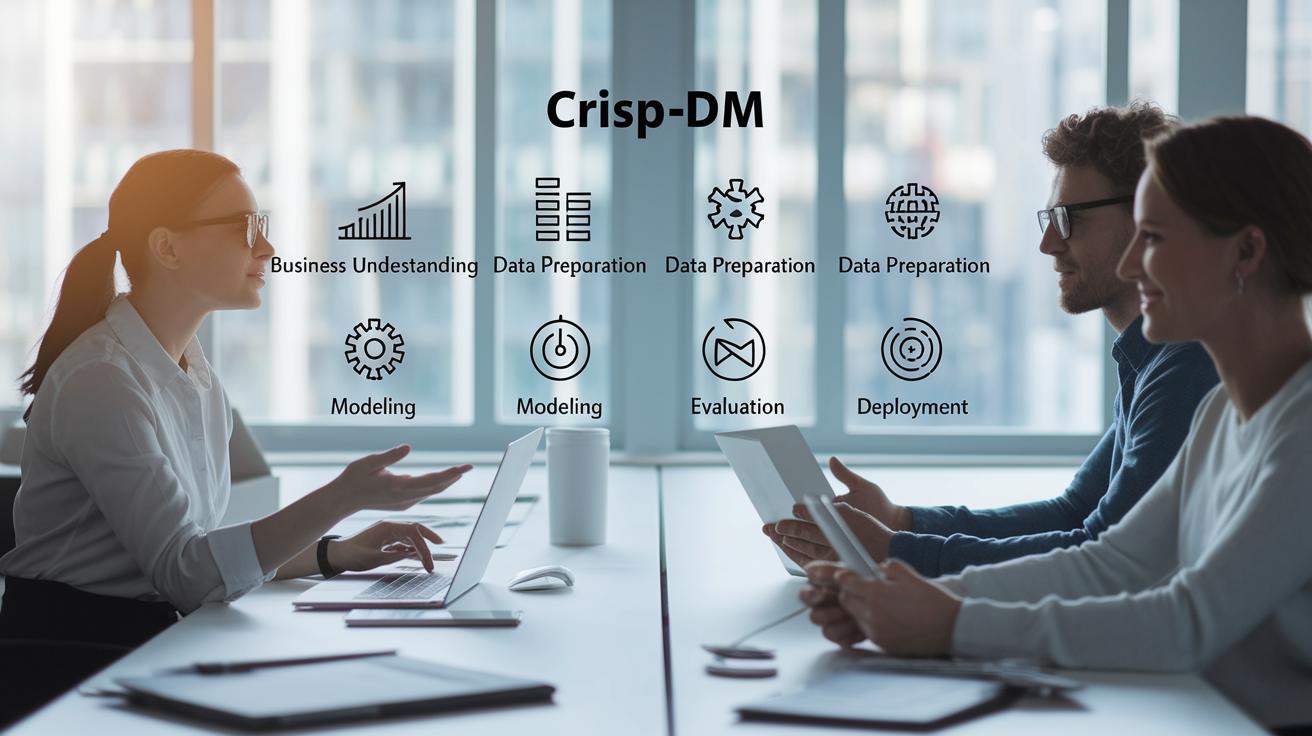
Using a set process turns raw data into actionable insights. A defined step-by-step method helps reduce errors and makes sure each step adds reliable value. It also makes troubleshooting issues, checking results, and reusing successful techniques much simpler.
CRISP-DM
CRISP-DM splits the work into six clear phases:
• Business understanding – set goals and identify key numbers.
• Data understanding – review data sources and quality.
• Data preparation – clean and transform raw data.
• Modeling – choose and apply prediction models.
• Evaluation – confirm the model meets set goals.
• Deployment – put the model into regular use.
This framework supports tasks like enterprise forecasting and running natural language processing models, ensuring each result aligns with key business goals.
OSEMN
The OSEMN framework covers five key steps:
• Obtain – gather the data you need.
• Scrub – clean the data, especially in large sets.
• Explore – look for patterns and insights.
• Model – use algorithms to predict or categorize trends.
• Interpret – turn findings into practical advice.
This method is used in projects like climate resilience analytics for planning in skilled nursing facilities.
| Framework | Steps | Key Use Cases |
|---|---|---|
| CRISP-DM | 6 | Enterprise forecasting; NLP model deployment |
| OSEMN | 5 | Data cleaning; exploratory modeling; climate resilience analytics |
Real-Time Analytics and Technology Implementation of Applied Insights
Businesses now rely on fast data pipelines to capture trends and support quick decisions.
• Streaming-data pipelines collect real-time information from social media, transaction logs, and IoT sensors.
• Tools like R-powered visualizations offer on-demand seasonal graphics that track market trends immediately.
Firms must choose between cloud and edge platforms for applied insights.
• Cloud analytics provide scalable storage and low-latency processing for high data volumes.
• Edge deployments process data close to the source, cutting delays for live tracking of user behavior.
Advanced analytics tools deliver actionable insights nonstop.
• LLM-powered answer engines and microservices designed for model serving streamline workflows.
• These setups ensure data is used instantly, driving fast and informed business decisions.
Applied Insights in Industry Case Studies

Nonprofits and public policy groups are using applied insights to make real changes. Many nonprofits have implemented LLM-powered systems that streamline work and offer quick client support. They learned 10 key lessons showing that when AI is tailored to a specific task, it works better and faster. Public policy efforts have created modern statistical tools for the census. These tools give decision makers clear data to shape community programs and guide regulatory choices. One policy team used these models to spot trends in public service needs, leading to better-targeted programs and resource plans.
Healthcare is also using these insights. Projects in the sector merge climate data with population health stats to spot vulnerable areas and plan targeted interventions. For example, climate resilience models have been turned into action plans for skilled nursing facilities. The use of modern census analytics has helped healthcare providers better forecast shifting patient demographics. This integrated approach enables institutions to direct resources where they are most needed.
Machine learning challenges in competitive settings have sharpened real-world applications. In food-policy contests, top winners built solutions that flagged critical issues, prompting regulatory tweaks and product innovations. Similar techniques were used to detect red flags in body-worn camera footage, helping law enforcement make timely decisions. These competitions have fine-tuned ML algorithms and reinforced the value of testing in improving both products and policies. Each contest has fed valuable lessons back into future strategies in both government and industry.
Building Organizational Intelligence with Applied Insights
Organizations are uniting diverse talents like designers, developers, data scientists, and strategists to turn data into clear, actionable business steps. A lean, client-focused team at an Atlanta agency, boasting over 10 years in web design and data mining, demonstrates how working extra hours to meet tight user experience and performance standards builds stronger business intelligence.
• Teams mix creative and technical skills.
• Extended hours ensure every detail strengthens outcomes.
• Regular reviews with real data drive fast improvements.
Firms foster a data-driven culture by using continuous feedback and measurable performance metrics. They review results routinely to adjust strategies and fine-tune resource allocation. Managers lean on these metrics to make smart decisions and keep every operation on track. This steady cycle of review and adjustment turns applied insights into lasting, competitive growth.
Best Practices for Insight-Driven Strategies and Innovation Metrics

Using clear, measurable innovation metrics drives business growth. Choosing the right indicators makes it easier to see what really moves the needle.
• Pick metrics like R&D impact, model-performance ROI, and digital engagement indexes.
• Evaluate every project with straightforward measures to turn data into growth signals.
• Regular check-ins help tune strategies and update model settings as needed.
• Continuous feedback ensures innovation meets market demands and business goals.
Firms should integrate frequent evaluations into their process. Regular reviews and small, ongoing tests keep insights sharp and models performing as expected. Setting scheduled checkpoints to review R&D scores and adjust parameters helps catch issues early. This cycle of review and refinement builds a culture of constant improvement and gives companies the edge they need in a fast-changing market.
Final Words
In the action, we explored how applied insights turn raw data into clear, strategic moves. We broke down frameworks, real-time analytics, and case studies that showcase improved forecast accuracy, risk reduction, and resource optimization.
We highlighted how structured decision support and organizational intelligence empower teams to act swiftly. This piece shows that actionable applied insights not only cut risks but also sharpen competitive positioning. Keep pushing forward with these insights to make confident, timely decisions.
FAQ
What are Caci applied insights?
The term Caci applied insights refers to CACI’s use of data analytics to generate actionable intelligence that supports strategic decisions and enhances operational performance.
What are applied insights reviews?
The applied insights reviews evaluate how effectively raw data is transformed into actionable strategies, examining methodologies and outcomes to ensure decisions improve business performance.
What is applied insights AI?
The applied insights AI uses artificial intelligence tools to convert vast data sets into clear, actionable intelligence, enabling faster and more confident decision-making.
Who owns applied insights and who acquired applied insight?
The applied insights entity is owned by specialized decision science organizations, with acquisitions handled by industry-focused firms; further details are typically available via official business records or on LinkedIn.
What is Applied Insight Altitude?
The Applied Insight Altitude describes a strategic approach that elevates raw data interpretation, delivering high-level analytics and insights to guide more precise business decisions.
What is applied insight shift?
The applied insight shift refers to a change in focus toward agile and responsive methodologies, ensuring that evolving data is effectively turned into actionable strategies.
What can be found on Applied Insight LinkedIn?
The Applied Insight LinkedIn page features company updates, professional insights, job postings, and networking opportunities for those interested in data-driven decision support.
What is applied intelligence?
The applied intelligence involves transforming raw data into clear, actionable insights through analytical and technological methods, driving better strategic decisions and enhanced operational efficiency.