


Commodity Prices Swing with Demand and Supply Cycles
Prices for key commodities like oil and cocoa can jump quickly and fall just as fast, driven by strong economic growth, major projects, and global events.
• Prices spike when demand surges and supply lags.
• Economic growth and new projects push demand higher.
• Supply eventually catches up, causing rapid price drops.
Commodity markets often swing wildly. When economic growth and large projects drive up demand, prices rise. Then, as supply increases to meet that demand, prices fall. Each phase offers unique chances for investors. Understanding these cycles can help you spot opportunities even when the market seems unpredictable.
commodity boom and bust cycles explained: Positive Outlook
Commodity markets often see swift price surges followed by quick pullbacks. The Bloomberg Commodities Index has risen 24% since 1991, showing that these cycles have long-lasting effects.
• Prices rise when strong economic growth, major infrastructure projects, and geopolitical events boost demand.
• Assets like oil, orange juice, and cocoa beans can spike as supply struggles to keep up.
• Investors pile in during booms, only to face rapid price drops when overcapacity and weakening demand set in.
Boos are powered by new industrial uses and growing demand that create short-term shortages. Once supply overtakes demand, prices can quickly slide downward. These market swings reflect basic economic principles like the balance of supply and demand and shifts in investor sentiment. Understanding these patterns helps investors plan for both the profit potential during booms and the caution needed during downturns.
How Supply and Demand Cycles Shape Commodity Boom and Bust Patterns
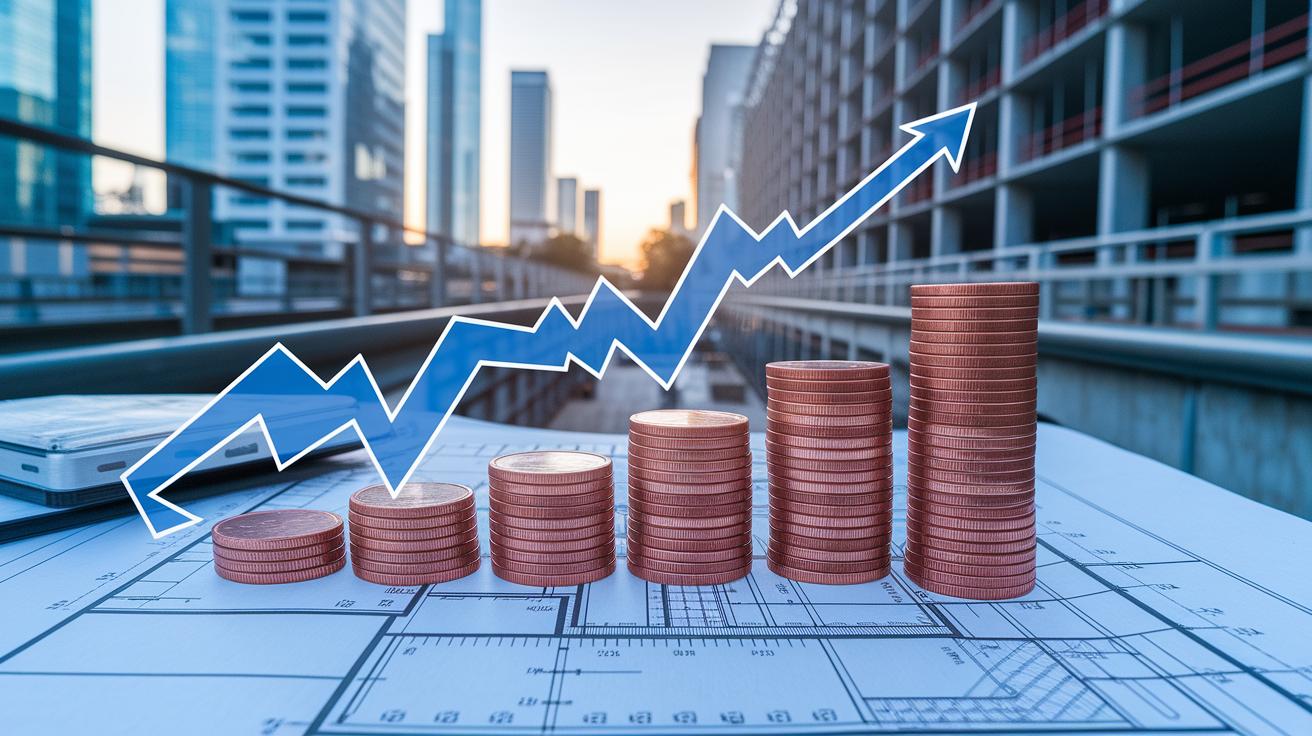
Supply and demand shifts drive sudden swings in commodity prices. Historical trends show that rising industrial needs can push prices up quickly, while overproduction causes sharp reversals.
• Copper use per person increased 10x from the mid-1870s to the late 1930s as infrastructure demand boosted consumption.
• Post-1906 rebuilding in San Francisco and early 20th-century auto growth spiked copper and rubber prices, respectively.
• Fast-tracked industrial projects create shortages that drive prices higher until overcapacity sets in.
• Supply shocks can flip quickly, when projects wrap up or tech improves, a shortage can turn into surplus, forcing prices down.
Understanding these cycles is key for investors. Watch for shifts in infrastructure demand and production capacity to gauge when prices may surge or slide.
Role of Market Speculation in Commodity Boom Cycles
In the early 1900s Rubber Boom, solid industrial demand initially drove rubber stocks higher. Soon, as prices climbed, investor focus shifted from basic economic factors to speculative trading. Many traders piled in even when early warning signs appeared, pushing prices well beyond what industrial demand could justify.
• Early gains came from strong industrial demand.
• Investor herding drove prices up without supporting fundamentals.
• Speculation fueled a cycle that inflated prices into a bubble.
• A sudden shift in sentiment often triggers rapid price reversals.
When fundamentals drive early returns, speculation takes over, creating a self-reinforcing cycle. As more investors join based on optimism rather than data, prices soar unsustainably. Once key players reassess risks, the market can quickly correct, underscoring how investor psychology magnifies both gains and volatility in commodity markets.
Key Indicators of Commodity Bust Cycles

Policy tightening often signals a shift from a booming commodity market to a downturn. Recent analysis shows that as central banks raise rates, copper prices tend to reverse quickly. Investors should look for clear signs that market sentiment is changing.
• Rapid inventory build-up shows when production outpaces falling demand.
• Declining demand from key industries lowers price support.
• Rising interest rates squeeze liquidity and push investors to exit positions.
• Widening credit spreads increase borrowing costs for commodity firms.
• Sharp drops in futures open interest indicate a retreat by market participants.
• Negative macroeconomic or geopolitical events can accelerate the downturn.
These indicators typically mark the end of a commodity rally. Rapid inventory build-up signals oversupply, while lower demand from key industries undermines prices. Higher interest rates limit available cash, forcing investors to pull back. Expanding credit spreads add financial pressure, and falling futures open interest reflects a loss of market confidence. Finally, economic or geopolitical shocks can quickly tip the market from growth to decline. Tracking these metrics gives investors actionable insights to adjust strategies and manage risk during transitional market phases.
Historical Commodity Boom and Bust Episodes
Commodity cycles repeat over time due to rising infrastructure demands, shifts in monetary policy, speculation, and global capital flows.
• From 1815 to 2015, waves of global capital boosted commodity booms that often ended in sudden reversals and even sovereign defaults.
• Historical data since 1877 shows on average positive returns in commodity futures, but sharp swings underline the need to watch global inflows and sovereign credit risks.
In the late 1800s, copper prices surged as rail expansion drove demand. But when the Bank of England adjusted its discount rate, prices quickly reversed during the Panic of 1907. This episode shows how rapid rail growth can lift prices until policy changes trigger quick downturns.
Early in the 20th century, the rubber market saw a similar pattern. Initial gains from steady industrial demand turned into speculative excesses. When fundamentals reasserted themselves, the market corrected sharply. Investors had to deal with a rapid switch from boom to bust.
Both episodes remind us that keeping a close eye on monetary policy and global capital movements is essential for managing risk in cyclical commodities.
Final Words
In the action, this article broke down key drivers behind commodity market swings. We covered fundamentals from supply and demand shifts to investor sentiment that push prices up and pull them down. Historical cases, from copper to rubber, illustrate how boom and bust cycles explained here repeat over time. Recognizing these patterns helps pinpoint moments of rapid change. Stay focused, keep evaluating critical indicators, and remain ready for tradeable opportunities as the next commodity cycle unfolds.
FAQ
Commodity boom and bust cycles explained pdf
The commodity boom and bust cycles explained pdf offers a downloadable resource that details how supply-demand imbalances, monetary conditions, and speculative trading drive rapid price swings and corrections in commodity markets.
Commodity boom and bust cycles explained 2021
The commodity boom and bust cycles explained 2021 review focuses on market trends during that year, outlining factors such as geopolitical events and macroeconomic shifts that influenced commodity price movements.
Boom and bust cycle examples
The boom and bust cycle examples include the Copper Boom during railway expansion and the Rubber Boom linked to increased automobile demand, both showing rapid price hikes followed by notable declines.
Boom and bust cycle meaning
The boom and bust cycle meaning refers to the repeated phases of rapid price increases followed by sharp downturns in commodity markets, driven by shifts in supply-demand dynamics and market sentiment.
Who is affected by boom and bust cycles
The boom and bust cycles affect investors, traders, businesses, and broader economies as price fluctuations influence market stability, credit conditions, and overall economic activity.
Boom and bust cycle history
The boom and bust cycle history spans several centuries, with events like the early 20th-century Copper and Rubber Booms illustrating how market forces have repeatedly driven dramatic commodity price movements.
Boom and bust cycle graph
The boom and bust cycle graph visually represents the pattern of rising prices during boom periods and rapid declines during busts, helping market participants understand timing and market dynamics.
Can boom and bust cycles be prevented
The boom and bust cycles cannot be entirely prevented, although policy measures and market interventions can help moderate extreme fluctuations, natural economic forces and external shocks still drive these cycles.
How does the boom and bust cycle work?
The boom and bust cycle work by starting with price surges fueled by demand and speculative interest, then transitioning into busts when overcapacity, shifting policies, or reduced demand trigger sharp reversals.
What is the commodity boom cycle?
The commodity boom cycle is a phase marked by rapid price increases in commodities due to high demand, supply disruptions, or geopolitical factors, followed by a downturn when these forces reverse.
What drives boom and bust cycles?
The drivers of boom and bust cycles include demand-supply imbalances, market speculation, shifts in monetary policy, and external shocks, all contributing to rapid price increases and subsequent declines.
What are the 4 economic cycles?
The 4 economic cycles describe the stages of recovery, expansion, recession, and depression, each reflecting different levels of economic activity and influencing market conditions over time.