
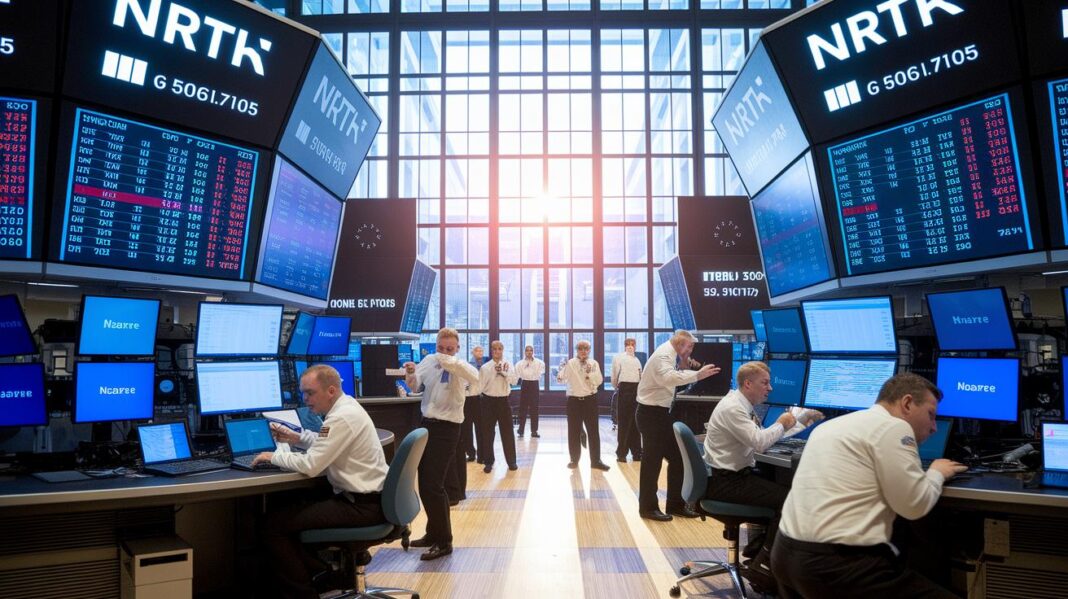

Commodity Price Cycles Drive Volatility
Shifts in supply and demand have sent ripples through stocks, bonds, and currencies as markets react to changing commodity prices.
• In 2020–21, rapid price moves showed how high demand and tight supply amplify volatility.
• Traders adjust by locking in fixed-price deals and using hedges to manage risk.
• Understanding these cycles helps traders make clearer, more confident decisions.
For decades, market swings have been driven by commodity cycles. When demand spikes at the same time supply falls short, prices move sharply. Traders respond quickly, deploying fixed-price contracts and hedging strategies to navigate unpredictable price shifts. Recognizing these patterns can give investors a critical edge in volatile market conditions.
Commodity Price Cycles Driving Market Volatility
Global markets see frequent swings tied to shifts in commodity cycles.
- Since 1996, macro shocks explain over two-thirds of commodity price changes, 50% from demand and 20% from supply issues.
- The 2020–21 rebound showed how strong demand paired with supply bottlenecks can push prices sharply higher.
- These shifts ripple into stocks, bonds, and FX markets, prompting swift strategy changes.
Market participants deal with recurring boom and bust cycles. They adjust pricing, procurement, and risk measures as supply and demand dynamics change quickly. Fixed-price deals and tactical hedging have become crucial to smooth out these swings. Investors now track demand shocks closely to recalibrate their exposure and reduce losses. By watching macro indicators and understanding both demand and supply impacts, traders can make faster, more informed decisions in today’s volatile market.
Historical Patterns in Commodity Price Cycles and Synchronization

For 50 years, commodity prices have moved in sync because of a common external factor. This factor explains 15–25% of price changes in energy and metals and 2–10% for agricultural goods and fertilizers.
• Energy and metals: 15–25% influence
• Agriculture and fertilizers: 2–10% influence
• Global forces drive these trends despite varying local conditions
Since the mid-1990s, industrial commodities have become even more linked. The common factor now accounts for 30–40% of price changes. This shift shows tighter market integration and stronger macroeconomic influences. Traders can use these trends to spot recurring signals and adjust strategies as global shifts occur.
| Commodity Type | Common Factor Variance (%) |
|---|---|
| Energy & Metals | 15–25% |
| Agricultural Commodities & Fertilizers | 2–10% |
| Industrial Commodities (since 1996) | 30–40% |
Macroeconomic Shocks as Principal Drivers of Commodity Volatility
Global shocks have driven big swings in commodity prices since 1996.
• Demand shifts explain 50% of price moves while supply issues add 20%.
• Events like the 2020 recession and the 1975 trade embargo confirm these trends.
• Interest rate changes and monetary policy adjustments can worsen market volatility.
Global events often trigger simultaneous changes in consumption and production, which in turn amplify price shifts. For example, during the 2020 recession, lower spending and logistics problems caused a surge in volatility much like that seen during trade embargoes.
Investors now keep a close eye on indicators such as interest rates and fiscal policy. These signals guide risk management and hedging strategies during turbulent periods. By comparing lessons from past events with today’s data, market participants can better understand commodity trends and adjust their strategies accordingly.
Sector Variances in Commodity Cycle Dynamics
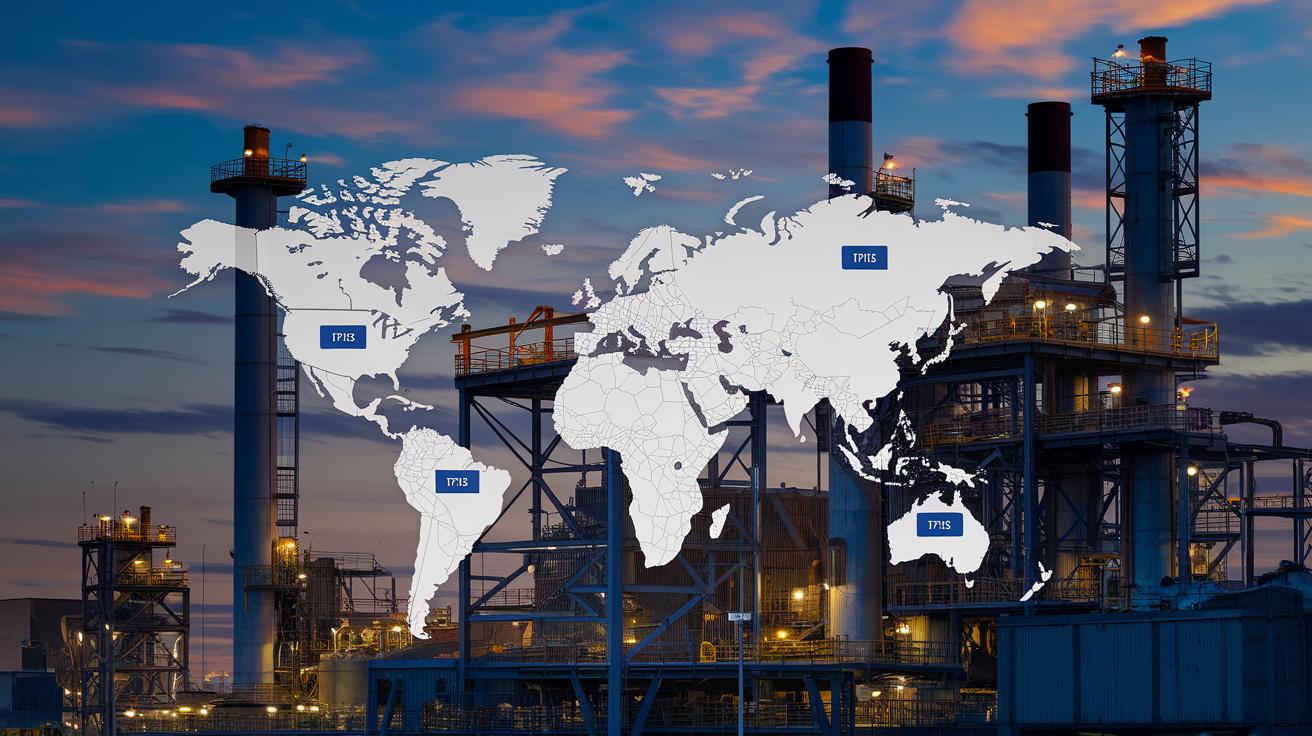
Energy and metals now drive variance by 15–25% as they track global market shifts closely. In contrast, agricultural commodities and fertilizers contribute only 2–10%, indicating less linkage.
Industrial commodities now show a common-factor variance of 30–40%, up double from the mid-1990s. Recent data confirms these sectors increasingly follow broader economic trends.
• Energy and metals react sharply to global changes.
• Industrial commodities have grown more sensitive to economic forces.
• Agricultural commodities maintain a lower, steadier variance.
Different demand elasticity and unique supply chains shape these results. Notably, in the 1990s, industrial variance was only half of what it is today. Investors should note these shifts to better understand market reactions.
Forecasting Commodity Price Oscillations and Trend Reversals
Forecast models now blend demand signals, inventory counts, and supply-chain clues to predict key turning points in commodity cycles.
• Traders use models to spot when prices near a peak or a trough.
• Key tools include futures curves, global PMI, and inventory data.
• Combining real-time market data with technical observations refines forecasts.
• Actionable alerts help traders manage risk in volatile markets.
Models factor in past boom–bust cycles like the 2020–21 surge. They use demand-recovery signals, inventory levels, and supply bottleneck indicators to assess market timing.
Analysts rely on the shape of futures curves to gauge market mood. Global PMI readings reflect broad economic activity in real time, and inventory data shows current supply levels. As one trader explained, “I start with a sharp PMI uptick and review inventory trends, finding that signals an imminent reversal.”
Advanced forecasting mixes numbers with market sentiment. By tracking oscillation frequency and monitoring macro trends, these models adjust quickly to market shifts. This approach gives traders clear signals when commodities face major price changes.
Policy and Risk Management Strategies for Commodity-Induced Volatility

Companies use financial hedging tools and fixed-price deals to lock in good prices when markets are calm, which limits sudden cost hikes. They can also tweak product designs and adjust supply chains to reduce their dependence on materials that swing in price.
Quick Takeaways:
• Hedging locks in prices during stable conditions.
• Fixed-price deals secure supply and cushion against spikes.
• Demand management lowers exposure to volatile inputs.
• Combined, these tactics lead to a steadier cost environment.
Many firms mix financial tools with solid contract strategies to handle external market pressures. Fixed-price agreements help buffer price surges while demand management aligns buying with actual needs. This mix helps companies manage rapid price changes and keep operations more predictable.
Procurement plays a key role by analyzing $1.4 trillion in spend to support these strategies. AI forecasting, sustainable supplier engagement, and decarbonization efforts all build a stronger, unified approach. These combined measures give risk managers and traders clear, actionable steps to calm market swings and protect investments.
Final Words
in the action, our discussion broke down how commodity price cycles and market volatility stem from global shocks, sector differences, and forecasting methods.
We detailed historical patterns, macroeconomic impacts, and risk management approaches that help shape actionable trading ideas.
This recap highlights key insights for spotting tradeable opportunities and making confident decisions. The analysis leaves you equipped to interpret market signals and embrace smart strategies going forward. Stay focused and positive as you navigate these dynamic cycles in the market.
FAQ
Commodity price cycles and market volatility pdf
The commodity price cycles and market volatility pdf explains how demand and supply shocks drive cyclical price changes, offering insights into market variance and forecasting techniques for commodity trends.
Commodity price cycles and market volatility 2022
The commodity price cycles and market volatility 2022 analysis details significant price swings driven by supply constraints and demand recovery, highlighting key trends in the commodity markets over that period.
Commodity price cycles and market volatility 2021
The commodity price cycles and market volatility 2021 review shows how recovery in demand and supply bottlenecks led to price surges, illustrating the impact of global economic dynamics on commodity prices.
Commodity cycle chart
The commodity cycle chart maps recurring boom-bust patterns in commodity markets, visually summarizing price fluctuations and emphasizing the influence of external economic shocks on market volatility.
IMF commodity prices
The IMF commodity prices data provides a global reference for raw material costs, reflecting both short-term price volatility and longer-term economic trends affecting the commodity market.
Commodity Price Index
The Commodity Price Index offers a broad measure of price movements across a range of commodities, serving as a vital indicator for tracking market trends and overall economic activity.
World Bank commodity price forecast
The World Bank commodity price forecast projects future cost trends by analyzing global supply-demand factors and economic conditions, helping investors and policymakers plan for market shifts.
Agricultural commodity prices today
Agricultural commodity prices today are influenced by weather, supply chain issues, and market demand, providing current insights into price levels and potential future market movements.