


Critical Materials Power Global Growth
Lithium, cobalt, and rare earth elements drive more than just modern tech, they create jobs, support clean energy, and strengthen key industries.
• They form the backbone of electric vehicle batteries and digital devices.
• Policymakers are updating supply chain lists to secure these essential resources.
• Understanding their role is vital for global growth and investment decisions.
These materials are at the heart of economic and national security. As governments work to protect supply lines, grasping their importance becomes key for anyone interested in future market trends.
Critical Raw Materials Defined: What They Are and Why They Matter
The Energy Act of 2020 calls out critical raw materials as non-fuel minerals, elements, or substances flagged by the Secretary of the Interior as essential for economic and national security. These materials support modern industry and clean-energy tech, including lithium, cobalt, rare earth elements, and semiconductor metals.
• They power electric vehicle batteries and keep solar panels, wind turbines, and digital devices running.
• Their steady supply helps ramp up production of clean energy solutions and advanced electronics, boosting job growth and overall economic strength.
Manufacturers depend on these resources to stay competitive in a global market that increasingly values sustainability. Reliable access means smoother supply chains and better investment decisions.
Strict domestic and international standards guide the sourcing of these materials, ensuring environmental and supply chain practices are met. Governments now focus on secure access to these resources to drive technological advances and sustain economic growth.
Critical Raw Materials List: Comparing EU and U.S. Inventories
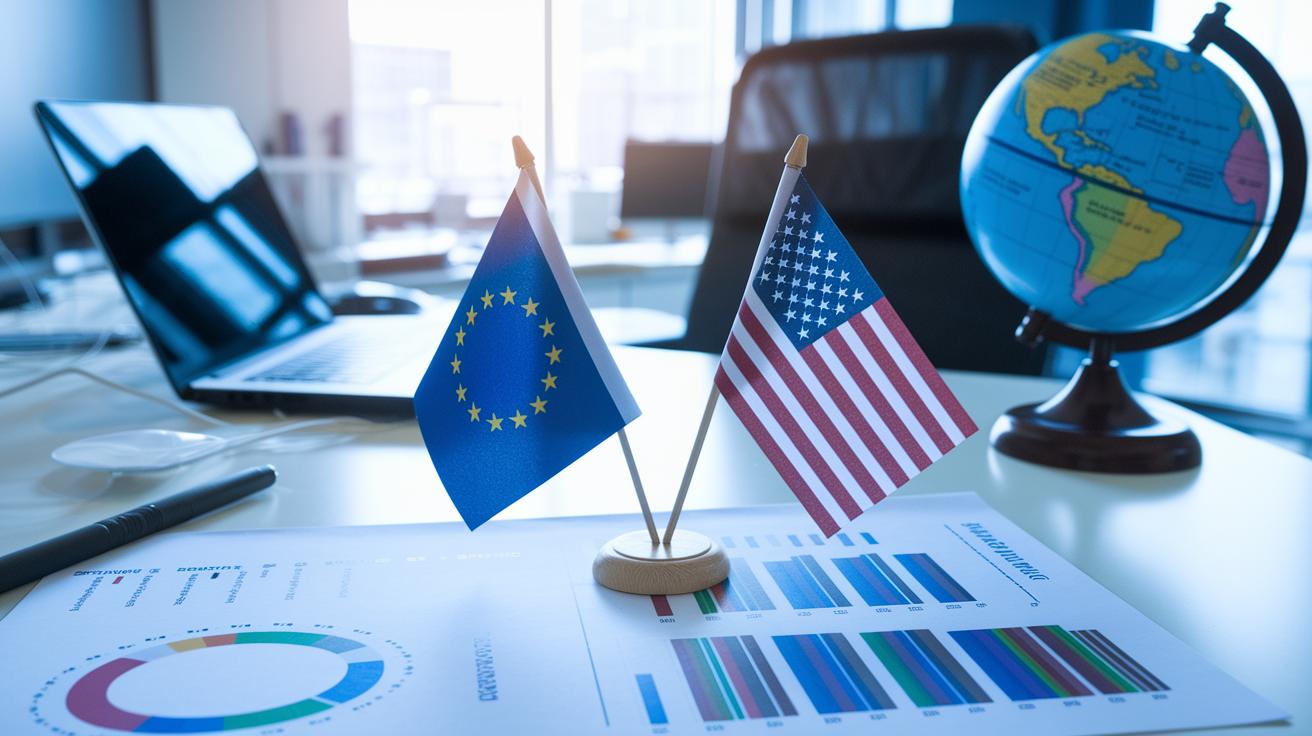
The EU and U.S. update their lists of critical raw materials to meet changing tech and security needs. The EU list covers 34 items, including lithium, cobalt, and rare earth elements. The U.S. list highlights materials like aluminum, dysprosium, and neodymium that are key for industry and defense.
- EU list supports clean energy and digital manufacturing.
- U.S. list focuses on defense and high-tech production.
- Both regions use these lists to pinpoint supply risks and guide future investments.
| EU Critical Raw Materials | U.S. Critical Raw Materials |
|---|---|
| lithium | lithium |
| cobalt | cobalt |
| rare earths | rare earths |
| aluminum | aluminum |
The EU pushes for local extraction, onshore processing, and recycling to cut reliance on outside sources. In contrast, U.S. policies center on building a resilient supply chain to support national security in a changing global market.
Critical Raw Materials in EU Regulatory Frameworks
The European Critical Raw Materials Act (CRMA), approved on March 18, 2024, sets clear targets to secure essential resources for EU industries. The Act pushes companies to boost local sourcing and processing, cutting reliance on foreign suppliers.
• 10% of demand must come from local extraction
• 40% should be processed within the EU
• 25% needs to be sourced from recycling by 2030
This framework drives firms to revamp supply chains with a strong focus on sustainability and efficiency. Achieving these targets supports the EU’s industrial strategy and propels the shift to cleaner energy and advanced manufacturing.
Alongside the CRMA, the Batteries Regulation, effective July 12, 2023, imposes strict ethical, environmental, and recycling rules on battery production and disposal. The regulation ensures batteries are made and managed responsibly, cutting environmental impact while extending the useful life of key materials.
To aid implementation, the EU set up a CRM Task Force and a one-stop shop for project approvals. These bodies streamline processes, reduce red tape, and improve coordination between the industry and regulators, driving investment and innovation for stronger resource security and industrial competitiveness.
Critical Raw Materials: Supply Chain Vulnerabilities and Reporting Needs
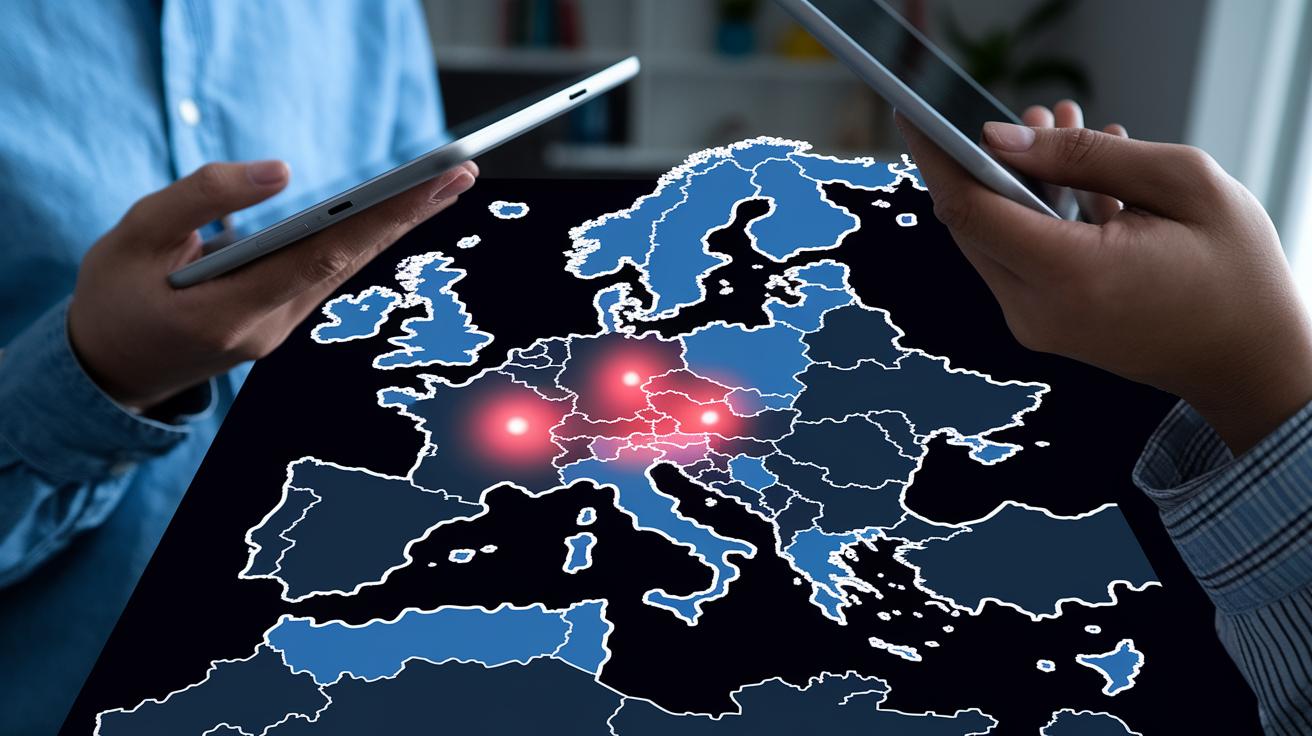
Rising geopolitical tensions from the Ukraine conflict are straining supply chains for key minerals. Europe’s heavy reliance on non-EU mining and processing exposes choke points that slow production and limit funds for clean energy and manufacturing.
• Supply delays and higher costs emerge as choke points hinder production.
• Real-time, geo-located tracking verifies material origin and ethical sourcing.
• The Critical Raw Materials Act expedites permits, reducing bottlenecks.
New digital tools now offer clear, end-to-end tracking of materials. Companies can see where each batch comes from and confirm its ethical sourcing, boosting transparency and trust.
Regulators use the Critical Raw Materials Act to label strategic projects, fast-tracking permits that cut delays. With accurate, real-time data, companies can manage inventory better and respond quickly to disruptions.
Improved reporting and streamlined permits help secure material flows, supporting economic growth and advanced technology projects.
Critical Raw Materials: Geopolitical and Economic Risk Landscape
Geopolitical tensions are pushing governments to act fast in securing raw materials critical for battery metals and rare earths while reducing reliance on China.
• The U.S. backed a US$2.3bn loan for Lithium Americas and signed a multi-billion-dollar deal with MP Materials and the Department of Defense that sets a 10-year price floor.
• In Europe, the European Investment Bank doubled its funding to €2bn, aiming to cover 25% of EU demand with recycled materials.
• These moves reflect a broad shift toward direct investments and long-term contracts to mitigate supply risks.
Investors and policymakers should note that these strategic investments and partnerships signal a trend toward risk diversification. With increasing geopolitical pressure and economic dependency affecting global markets, stakeholders in clean energy and advanced manufacturing need to stay alert for further moves that could shape supply chain stability.
Critical Raw Materials Mitigation Strategies: Recycling and Sourcing Alternatives
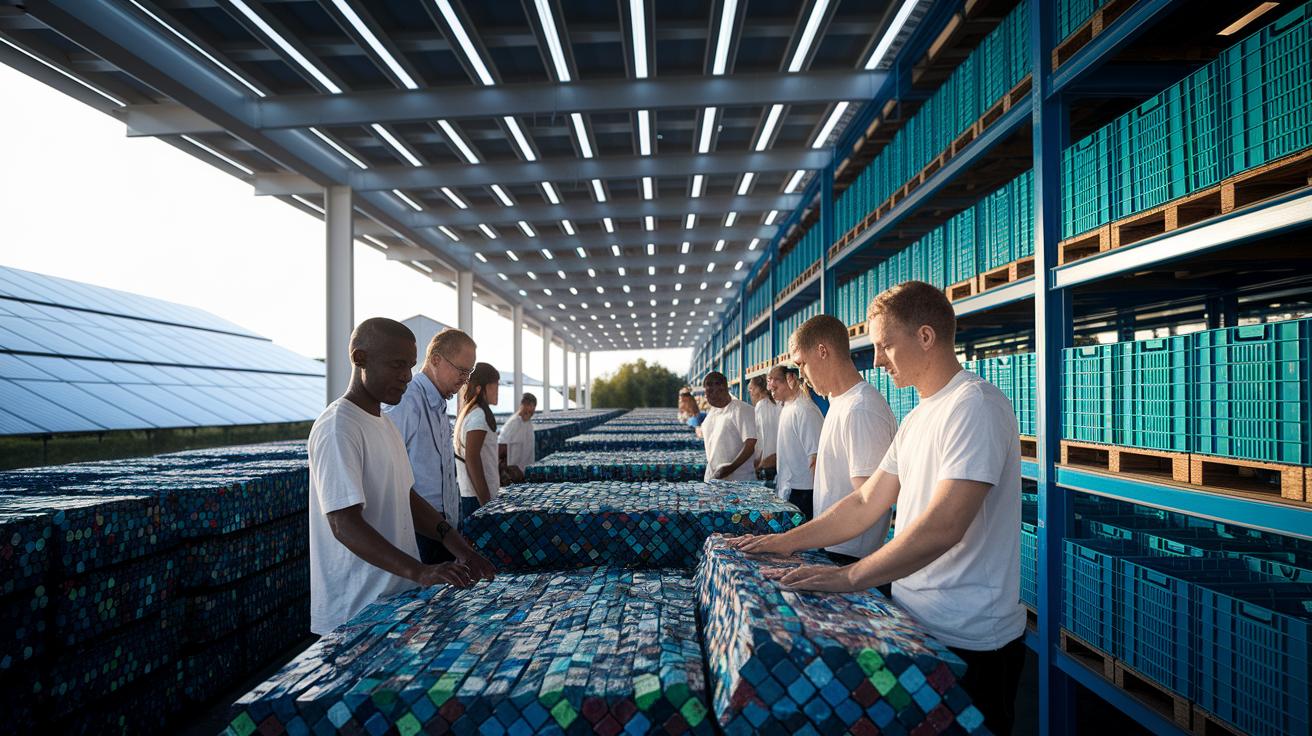
Recycling, local sourcing, and tech innovations are cutting supply risks as companies gear up to meet the Critical Raw Materials Act’s 2030 goal of sourcing 25% of materials from recycled inputs. This approach cuts reliance on imports and drives greener production.
• Recycled materials help companies achieve a 25% recycled input target by 2030.
• Local sourcing reshapes supply chains by turning waste into valuable metals.
• Digital traceability tools, like BanQu’s geo-platform, verify the material journey.
• New R&D projects improve recovery methods and explore alternative resources.
Companies are revamping their processes to boost resilience. Many firms are making use of circular-economy models that transform waste into metals for new technologies. In one project, recycled battery materials supplied nearly 30% of a plant’s fresh input, lowering both costs and environmental impact.
Strengthening domestic mining and refining also increases local supply. Tools such as BanQu’s geo-platform track materials from extraction to manufacturing, offering transparency and an early warning for disruptions.
Ongoing research and development aims to optimize recovery techniques and tap into underused resources. These efforts support a resilient supply chain while helping drive innovation and steady growth in a competitive global market.
Critical Raw Materials Future Outlook: Market Dynamics and Investment Trends
U.S. policy changes and EU rules are reshaping the market for critical raw materials by boosting investments that offer more stable supply.
• Direct investments and price-floor contracts improve market stability.
• U.S. Defense deals aim to lower supply fluctuations.
• New forecasts suggest that increased domestic production may challenge China’s lead.
In Europe, new laws like the Circular Economy Act, Clean Industrial Deal, and Industrial Decarbonisation Accelerator Act are on the horizon. These laws connect recycling, local processing, and advanced manufacturing to strengthen domestic production. The European Investment Bank’s planned 2025 projects underline this push to cut reliance on imports and build a stronger supply chain.
New technology is also driving change. Innovations are lifting material recovery rates and tracking resources from start to finish. As governments roll out these initiatives, investors should watch for key legislative events and new funding that could spark the next phase of raw material production. This shift in policy, combined with public-private partnerships and fresh financing, may offer significant opportunities in the market.
Final Words
in the action, we covered what critical raw materials are, compared EU and U.S. lists, and detailed regulatory frameworks.
We then examined supply chain vulnerabilities and assessed geopolitical risks shaping the market.
Practical steps in recycling, local sourcing, and strategic partnerships also received attention.
This breakdown clarifies the role of critical raw materials in driving clean energy and industrial progress.
The insights offered help investors spot potential opportunities and support smarter decisions.
Positive market dynamics signal a promising path ahead for this essential sector.
FAQ
What is the Critical Raw Materials Act and where can I access its PDF?
The Critical Raw Materials Act (CRMA) sets targets for local extraction, processing, and recycling in the EU. The official PDF is available on designated EU government websites for verification and detailed guidelines.
What does the Critical Raw Materials list include?
The Critical Raw Materials list comprises essential resources like lithium, cobalt, and rare earth elements, with the EU listing 34 such items and the US featuring materials that support advanced technologies and national security.
What is the Critical Raw Materials map?
The Critical Raw Materials map visually represents the global distribution and supply routes of key materials, supporting regulatory measures and ensuring real-time insights into supply chain vulnerabilities.
What is the role of the Critical Raw Materials Centre EU?
The Critical Raw Materials Centre in the EU coordinates policy implementation and streamlines project approvals, ensuring transparency and efficiency in managing material supply and regulatory compliance.
What are examples of and the most important raw materials?
Important examples include lithium, cobalt, rare earth elements, and aluminum, all of which are critical for clean-energy technologies and modern industrial applications, making them indispensable to economic growth.
What are the critical raw materials in the US?
In the US, critical raw materials encompass items such as aluminum, dysprosium, and neodymium, which are vital for manufacturing, national security, and advanced technology sectors.
How many critical raw materials are there?
The number of critical raw materials varies by region; the EU list includes 34 items, while the US focuses on a distinct set of materials, reflecting differing strategic priorities and market demands.
What are strategic raw materials?
Strategic raw materials are essential resources deemed crucial for economic stability and national security, supporting advanced manufacturing and clean-energy initiatives across global industries.