


Currency Devaluation Sparks Export Gains
A deliberate drop in currency value can boost exports and address trade gaps.
• Governments devalue currencies on purpose to make local goods cheaper abroad.
• Smart policies can shift concerns into genuine trade opportunities.
• Understanding these moves helps gauge a stronger economic outlook.
Governments sometimes lower their currency value intentionally to encourage exports and manage trade deficits. While some worry about a weaker currency, smart policy shifts can make domestic products more attractive overseas. This analysis explains how devaluation works, the market forces that drive it, and why careful strategies might turn a currency drop into a competitive edge.
How Currency Devaluation Works: Definition and Fundamentals
Currency devaluation happens when a government lowers the official value of its currency to boost export competitiveness by making local goods cheaper for foreign buyers. This is a deliberate policy step, not something that occurs naturally in the market.
In contrast, depreciation is when market forces push a currency's value lower. This drop usually comes from shifts in investor sentiment, supply and demand issues, or swings in the foreign exchange market rather than an official government decision.
- Adjusts the official exchange rate.
- Depends on fixed or managed-float systems.
- Tied to changes in the monetary base and money supply.
- Uses legal methods versus open-market moves.
- Sends short-term signals to exporters and importers.
Understanding these basics is important for both policymakers and market watchers. Governments often use devaluation to tackle trade deficits or revive a weak economy, while market participants see it as a sign of changing export and import costs. Knowing the difference between a planned devaluation and a market-driven depreciation helps investors and businesses manage pricing, currency risk, and overall strategy.
Root Causes of Currency Devaluation and Value Decline
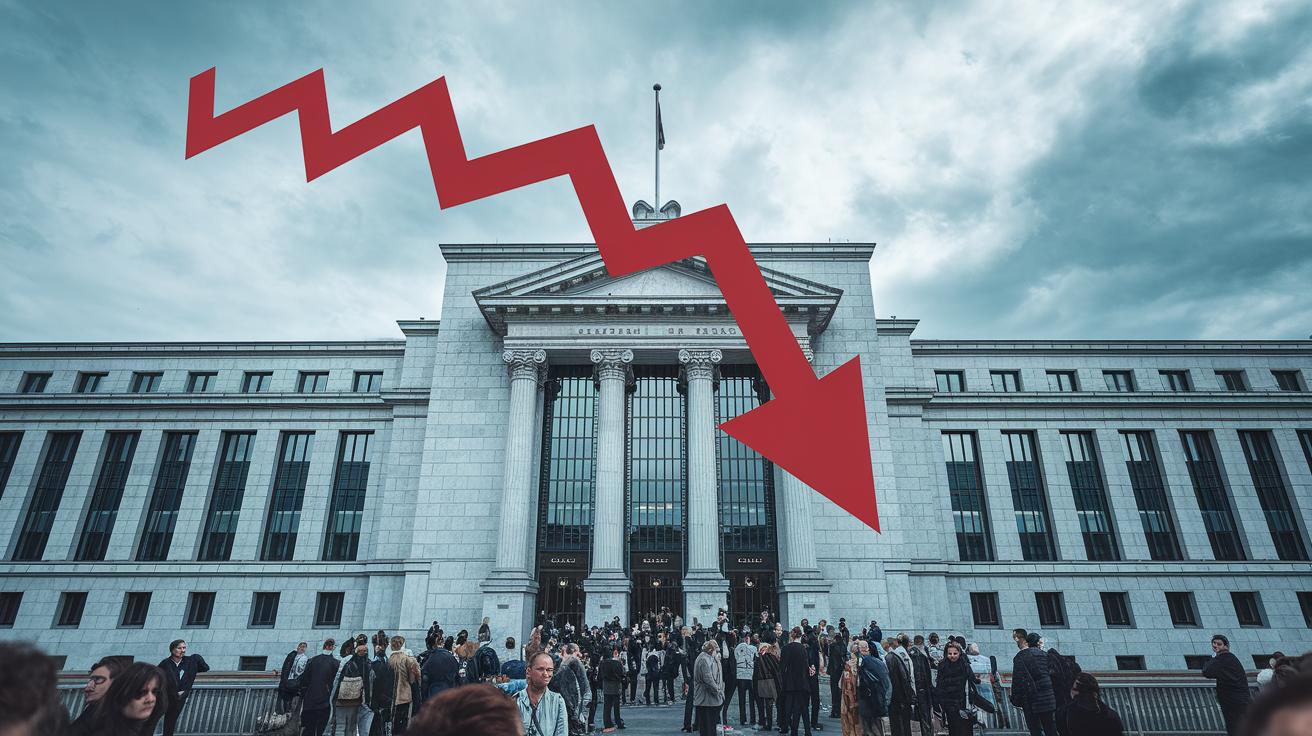
Governments sometimes lower their currency’s value when they face big fiscal problems, awkward monetary policies, or heavy debt pressures. Rising budget deficits, mixed monetary actions, and large borrowings can force officials to change the official exchange rate. Combined with shocks from other countries, these pressures make it hard to keep a strong currency, so officials adjust the rate to help stabilize the economy.
Key factors that may trigger a devaluation include:
- Large current account deficits
- Persistent high inflation rates
- Unsustainable public debt levels
- Falling foreign exchange reserves
- Political instability or lost credibility
- External shocks from commodity price changes
Rising bond yields and capital outflows are early signs of economic weakness. Investors notice when borrowing costs increase and money starts leaving the country. These shifts disturb normal capital flows and show that market fundamentals are under stress. Spotting these signs early helps both policymakers and investors prepare for changes in the exchange rate that can affect trade, sentiment, and economic plans.
Depreciation Versus Devaluation: Key Differences in Exchange Rate Dynamics
Depreciation occurs when market forces lower a currency’s value, whereas devaluation is a deliberate action by a government or central bank to adjust the official exchange rate.
- Depreciation results from normal market activity.
- Devaluation is a targeted policy decision.
- Market-driven changes can be gradual or erratic.
- A policy change like devaluation is usually a one-time adjustment that can be reversed later.
| Feature | Depreciation | Devaluation |
|---|---|---|
| Initiator | Market forces | Policy authority |
| Mechanism | Market-driven changes | Official rate adjustment |
| Speed | Can be gradual or volatile | Discrete change |
| Reversibility | Often part of a continuous trend | May be reversed by later policy actions |
The key takeaway is that depreciation reflects natural market shifts while devaluation is an intentional adjustment by authorities.
Historical Case Studies in Currency Devaluation
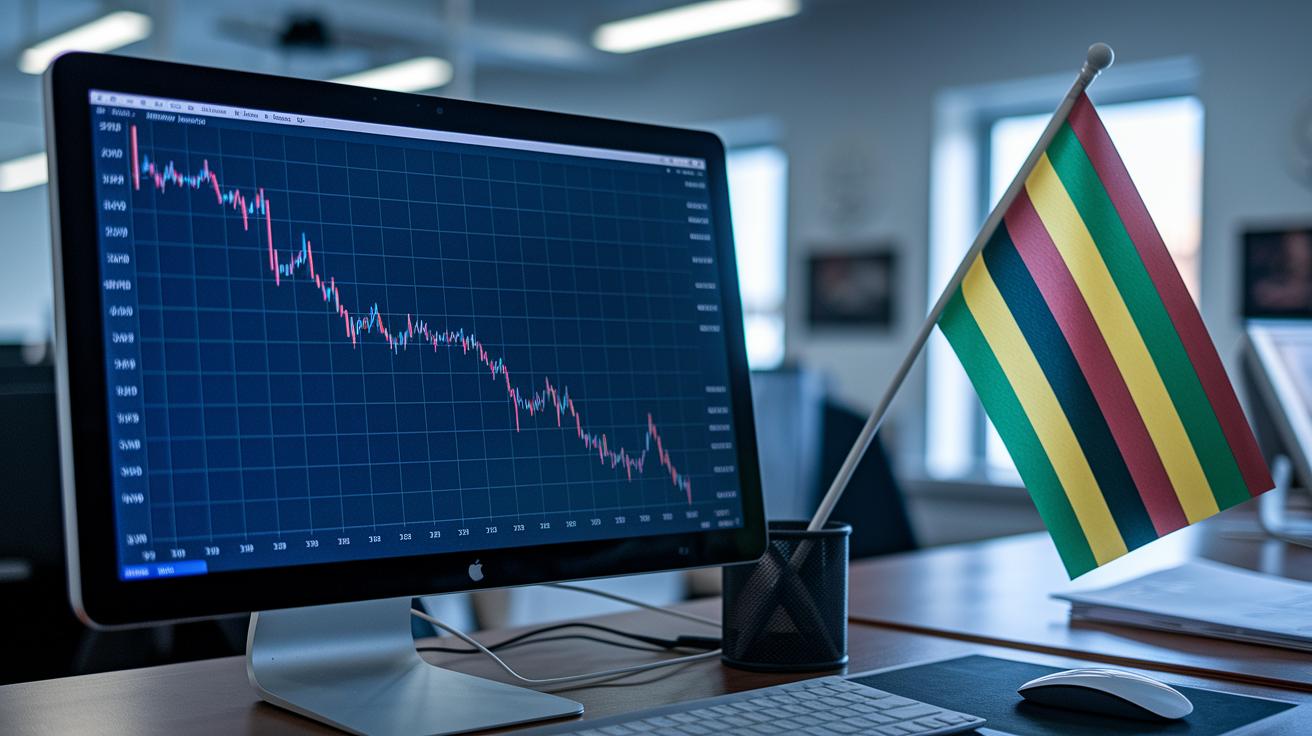
Studying past currency devaluation events offers clear lessons for today’s policymakers and market players. These events show how rapid policy shifts can disrupt economies and shake investor confidence.
Zimbabwe Hyperinflation and Devaluation
From 2000 to 2009, Zimbabwe repeatedly cut its official exchange rate. The government hoped to boost exports and stabilize a fragile economy, but the moves instead sparked runaway inflation. Money printing outpaced real demand, and prices soared in days. Key points:
- Fiscal discipline was lacking.
- Weak institutions failed to check excessive money creation.
- Daily prices sometimes doubled, eroding public trust and deepening economic turmoil.
Argentina Peso Devaluation Cycles
Argentina’s history includes several devaluation cycles, with major episodes in the early 2000s and again in 2018. During the 2001–2002 crisis, high debt and steep inflation forced a sharp peso devaluation. This prompted social unrest and market instability. In 2018, similar policy steps raised borrowing costs and fueled investor worries. Key points:
- Repeated devaluations added market uncertainty.
- Policy missteps and economic pressures led to recurring instability.
- Weak institutional credibility made corrective measures even tougher.
In both cases, weak fiscal controls and minimal reserve buffers worsened the economic fallout. These lessons stress the need for coordinated monetary policy, solid external reserves, and fiscal discipline to prevent similar shocks in the future.
Economic and Market Impacts of Currency Devaluation
Currency devaluation shifts trade balances by making exports cheaper and imports costlier. When a government reduces its currency’s value, domestic goods become more affordable abroad, which boosts exports. Meanwhile, imported products become more expensive. For example, after Country X lowered its currency value, export demand jumped nearly 20% even as import costs climbed 15%.
• Exports become more competitive, increasing sales abroad.
• Imports face higher prices, widening the trade gap.
Devaluation also drives up domestic prices. As the cost of imported goods grows, companies pass these higher costs on to consumers, pushing inflation higher. This change affects everyday spending, much like a sudden rise in grocery bills can force households to adjust their budgets.
• Inflation rises as imported goods cost more.
• Consumers may cut spending due to higher prices.
A weaker currency increases the burden of foreign debt. For countries with significant loans in stronger currencies, the cost of repaying debt goes up when their currency loses value. This situation puts extra pressure on national budgets and signals a need for tighter fiscal management.
• Debt repayments become more expensive.
• Fiscal discipline becomes crucial to maintain stability.
Additional ripple effects emerge in labor markets and other sectors. Businesses may need to adjust wages to cope with increased costs, and governments might boost social spending to help lower-income households. These changes can lead to fluctuations in employment and consumer confidence, prompting both investors and policymakers to reassess market conditions.
• Wage pressures rise as companies face higher costs.
• Market uncertainty grows, affecting employment and confidence.
Currency Devaluation Sparks Smart Economic Outlook

Policymakers and central banks are acting fast to stabilize markets amid rising currency devaluation pressures. Their clear, targeted moves aim to keep trade competitive while maintaining fiscal discipline and investor trust.
- Interest rate moves steer capital flows.
- FX reserve operations smooth currency swings.
- Fiscal tweaks and controls calm rapid outflows.
- Transparent communication strengthens market confidence.
Authorities are pairing interest rate changes with active FX market interventions to support short-term order and long-term financial stability. They use fiscal measures and tightened reserve controls to ease speculative pressure. Clear, straightforward messaging helps investors grasp each move, reinforcing credibility. This balanced approach works to protect exports, stabilize trade balances, and create an environment that encourages steady, productive investment.
Forecasting Exchange Rate Trends and Investor Sentiment Under Devaluation Pressure
Analysts and fund managers watch forward signals closely to gauge investor sentiment and predict exchange rate moves amid devaluation pressure.
- Forward-looking indicators reveal key shifts in market behavior.
- They guide traders in managing risk and capturing opportunities.
- Clear metrics support both short-term trades and long-term strategy.
- Data from interest rates, balance of payments, and sentiment surveys drive decisions.
Forward-looking metrics are essential for understanding how devaluation affects currency markets. These indicators track changes in interest rate differentials, yield curves, and reserve levels, alerting investors to shifts in capital flows. In volatile periods, traders use clear, quantifiable signals, such as pricing in currency forwards and swaps, to reposition their portfolios and hedge against adverse moves.
By combining these metrics into a comprehensive framework, market participants gain insights into both policy impacts and market dynamics, allowing them to react quickly and adjust their strategies in real time.
Strategies for Businesses and Investors Amid Currency Devaluation

As currencies shift quickly, businesses and investors must act fast to protect profits and keep operations steady. Here are key tactics to manage the risk:
- Hedge FX exposure using forwards or options.
- Diversify currency holdings and revenue sources.
- Adjust export pricing and billing to match market conditions.
- Source local inputs to lower import costs.
- Stress test cash flows with different scenarios.
- Build up liquidity buffers on the balance sheet.
- Form strategic partnerships or consider local financing.
Staying alert is essential. Markets can change in minutes, so tracking FX trends, pricing updates, and supply costs is crucial. Regular reviews of currency risks, cash flow forecasts, and partnership agreements help decision-makers adapt quickly and seize emerging opportunities.
Future of Currency Devaluation in a Digital Finance Landscape
Central banks are set to use digital currencies and AI-powered models to manage money more precisely. These tools let them adjust policies in real time and target specific issues that traditional methods couldn’t reach.
• Digital currencies can have built-in policy rules.
• AI tools allow for quick, data-driven decisions.
• Real-time monitoring helps spot market shifts immediately.
• Faster, clear signals support market stability.
Central authorities now embed policy rules directly into digital money. This lets them fine-tune exchange rates when needed. Advanced analytics and live data feeds ensure they catch market movements as they happen and act fast with FX controls to stabilize currencies.
These digital advances boost transparency and improve reaction times. As a result, central banks can better manage value shifts in both developed and emerging markets, keeping pace with rapid market changes.
Final Words
In the action, we broke down the basics of currency devaluation, its causes, and differences from depreciation. We covered historical examples, market impacts, policy interventions, and forecasting tools.
We also outlined practical strategies for investors and businesses facing this dynamic. Understanding the fundamentals of currency devaluation can equip you with better market context and actionable insights. Keep monitoring key indicators and stay flexible for a positive trading edge.
FAQ
Devaluation of currency example
The devaluation of currency example shows a government lowering its currency’s official rate to make exports cheaper and imports more expensive, aiming to rebalance trade and stimulate economic growth.
Currency devaluation vs depreciation
The currency devaluation vs depreciation comparison clarifies that devaluation is an official policy action to adjust the exchange rate, while depreciation occurs gradually through market-driven changes in currency value.
Effects of devaluation of currency
The effects of devaluation of currency include enhanced export competitiveness, increased import prices, inflationary pressures, and a potential shift in trade balances, impacting overall economic stability and consumer purchasing power.
Currency devaluation vs inflation
The currency devaluation vs inflation question distinguishes a deliberate rate adjustment from a general rise in prices. Devaluation targets exchange rate values specifically, while inflation reflects broad price increases across the economy.
Currency devaluation PDF
The currency devaluation PDF typically refers to downloadable documents that explain how devaluation works, its economic impacts, and policy responses, offering detailed insights for those studying monetary adjustments.
Disadvantages of devaluation of currency
The disadvantages of devaluation of currency include higher import costs, increased inflation risk, reduced purchasing power, and potential investor uncertainty, all of which can lead to economic instability if not managed carefully.
Reasons for devaluation of currency
The reasons for devaluation of currency often involve correcting trade imbalances, addressing mounting external debt, boosting export competitiveness, and reacting to declining foreign exchange reserves amid economic pressures.
Currency devaluation opposite
The currency devaluation opposite is revaluation, where the government increases the currency’s official exchange rate, often undertaken to curb inflation and stabilize a currency that has risen too rapidly in value.
What happens when a currency is devalued?
When a currency is devalued, its official exchange rate is reduced by the government, making exports cheaper and imports more expensive, which can help correct trade imbalances but may also fuel inflation.
What is the difference between devaluation and depreciation?
The difference between devaluation and depreciation lies in their processes; devaluation is a deliberate policy change to lower a currency’s value, while depreciation results from market forces fluctuating the currency’s rate over time.
Which country has the most devalued currency?
Which country has the most devalued currency varies over time, often reflecting nations undergoing severe economic challenges; current assessments depend on specific economic conditions and should be verified with up-to-date data.
Is the US dollar becoming devalued?
Is the US dollar becoming devalued is debated; while inflation may reduce its purchasing power, the US has not officially devalued the dollar, leaving its value more reliant on market dynamics and global economic conditions.