


Auto Sales Surge Boosts Steel Demand
Rising car sales push manufacturers to order more steel, sending prices higher.
• Auto production increase forces higher steel orders.
• Factories respond to growing finished goods demand.
• Ripple effect extends to commodities like wheat, sugar, and cotton.
When auto production climbs, manufacturers must secure more raw materials, causing steel prices to rise. This derived demand shows how a change in one market can spur a chain reaction in others. As factories step up production to meet car sales, they also boost demand for additional inputs across multiple industries.
Core Principles of Derived Demand in Commodity Economics
Derived demand is the need for a product or service that stems from the demand for another good. It plays a vital role in markets where manufacturers rely on key inputs like raw materials and labor. Unlike joint demand, where related items such as printers and cartridges are bought together, derived demand looks at how growth in one industry spurs higher input needs in another.
For example, rising auto production means factories need more steel slabs to meet increased output targets. Similarly, when coffee consumption climbs, the demand for roasted beans and skilled labor grows as coffee shops expand. These shifts show how consumer trends can indirectly drive supplier orders.
Businesses use this concept to guide procurement and production planning. Raw material suppliers, for instance, monitor finished goods production to forecast orders; a surge in car sales often signals higher demand for steel and aluminum. Derived demand reveals a cascade effect from consumer trends to inputs like labor and secondary raw materials.
Market participants watch key production trends to adjust inventory and production schedules. As final product production shifts, so does the need for supporting inputs. Understanding this indirect demand helps refine decisions in economic planning and the study of consumption patterns.
Farm Produce Cases Demonstrating Derived Demand Explained

Consumer demand for finished products drives higher demand for raw materials. When buyers change their preferences, the whole supply chain responds quickly. For example, more bread consumption pushes bakeries to increase wheat orders. Rising candy sales signal sugarcane growers to boost production. When fashion brands order more textiles, farmers harvest extra cotton. Increasing meat consumption ramps up orders for feed grains, and expanding coffee shops require more green beans and labor.
Quick takeaways:
- Bread demand drives wheat production.
- Higher candy sales boost sugarcane needs.
- Extra textile orders increase cotton harvests.
- More meat sales push up feed grain orders.
- Coffee shop growth raises green bean and labor needs.
| Final Product | Input Demand Increase |
|---|---|
| Bread | Wheat |
| Candy | Sugarcane |
| Textiles | Cotton |
| Meat | Feed Grain |
| Coffee Shops | Green Beans & Labor |
These examples show that final product demand drives the need for raw inputs. In a nutshell, consumer buying behavior sets off a chain reaction, increasing both materials and labor in agriculture.
Metallurgical Example Scrutiny in Derived Demand Explained
Derived demand drives the need for raw materials when one sector’s growth pushes manufacturers to buy more inputs. Rising auto production, for example, forces suppliers to boost steel slab orders.
• Auto production growth drives higher steel orders.
• Expanding aerospace activity increases aluminum ingot use.
• Modernizing power grids boosts copper cathode demand.
• Increased machinery production relies on bronze kits for smooth operations.
In manufacturing, one industry’s expansion directly raises input requirements in another. As auto sales grow, steel becomes more critical to meet production needs. Likewise, an expanding aerospace sector means more aluminum ingots are required to keep up with production orders. Upgrades in electrical grids lead utilities to order more copper cathodes, and efficient machinery fabrication depends on the steady supply of bronze kits. Transportation logistics also play a role, since moving larger volumes of goods stresses shipping capacities and supply chains.
| Commodity | Market Driver | Impact |
|---|---|---|
| Steel | Automotive | Growth in auto production increases steel slab orders |
| Aluminum | Aerospace | Aerospace expansion drives higher aluminum ingot demand |
| Copper | Electrical Infrastructure | Grid upgrades boost copper cathode requirements |
| Bronze | Machinery Fabrication | Production efficiency depends on steady bronze kit supply |
This framework shows how shifts in production plans force suppliers to adjust orders, highlighting the clear link between final product demand and industrial input spending.
Energy Commodities and Derived Demand Explained

Oil demand rises as travel picks up. More vehicles mean more miles driven, which increases crude oil use. When gasoline prices go up, people drive less, bringing oil consumption down.
Electricity generation leans on natural gas. As homes and businesses use more power, plants boost natural gas to meet demand. This shows how higher electric use leads to more natural gas purchases.
Manufacturing growth drives energy needs too. When industrial activity expands, power plants often use more coal for steady energy. Coal consumption rises along with production cycles.
Traders watch these shifts closely. Changes in travel, production, and power use move spot prices. Understanding these links helps market players match supply to demand for smarter buying decisions.
- More travel boosts oil use.
- Higher electricity demand drives natural gas use.
- Industrial growth raises coal consumption.
- Commodity prices react to changes in end-user activities.
Supply Chain Dynamics Shaping Derived Demand in Commodity Markets
Logistics limits, stockpiling, and seasonal production cycles directly shape raw material demand. Companies adjust orders based on seasonal peaks and shifts in final product production.
• During harvest, increased grain stockpiling boosts shipping volumes.
• Winter weather drives utilities to secure more natural gas.
• Chip shortages can strain copper and silicon supplies.
• Forecasting seasonal trends helps align production with order timing.
Firms handling raw materials plan inventory buffers during off-peak times and ramp up shipments when needed. For example, grain stockpiling during harvest ups transport demand, while winter heating needs cause utilities to buy extra natural gas. Even non-agricultural items feel the impact: a semiconductor shortage forces manufacturers to search for more copper and silicon. By monitoring these seasonal patterns, companies can better match orders to production shifts and maintain smooth supply chains.
Elasticity and Price Transmission in Derived Demand Explained
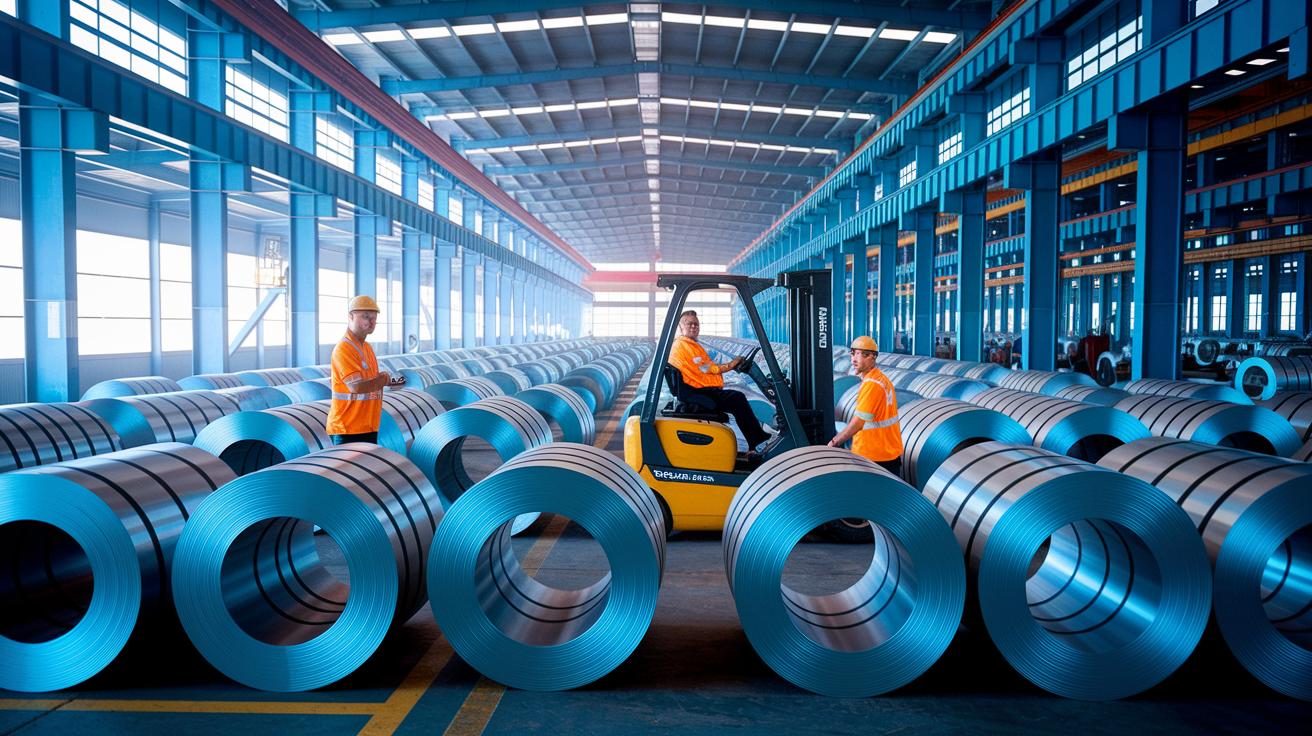
Derived demand changes as input and finished good prices shift. A 10% rise in steel prices typically cuts auto production by 2%, leading to a similar drop in steel orders. This shows how sensitive production is when costs change.
• A 10% increase in steel costs can reduce auto output by 2%.
• In markets like oil, where demand is inelastic, even steep price hikes have little impact.
• Understanding these effects can guide procurement and risk management.
When raw material prices climb steeply, manufacturers often cut production volumes, which reduces orders for the input. In contrast, if the final product is essential, like oil, the drop in orders is much smaller despite large price increases. Investors and traders use this data to adjust order timing and size, managing cost risks effectively.
Final Words
In the action, we dissected how consumer trends in commodities spark shifts in demand for raw inputs. We broke down core principles across agriculture, metallurgy, energy, and supply chain dynamics, highlighting that primary keyword: derived demand explained.
The analysis showed that rising consumer needs, from bread to steel, impact input markets. Each example connected final consumption with underlying production shifts.
This clear insight empowers investors to spot tradeable opportunities and link market signals to actionable portfolio moves. Stay focused and confident as these dynamics unfold.
FAQ
What are some examples of derived demand in economics?
The concept of derived demand means that demand for inputs, like raw materials or labor, rises as the need for final goods increases. For example, auto production boosts steel demand, and growing bakery output raises wheat needs.
How is derived demand calculated?
Derived demand is assessed by linking the production levels of final goods to the required input quantities. It also considers price elasticity, showing how changes in input costs impact production volumes.
What is meant by derived demand for labor?
Derived demand for labor means that hiring workers depends on the need to produce final goods. As production increases, companies hire more workers to support the manufacturing process.
How is derived demand illustrated in marketing?
In marketing, derived demand arises when rising consumer interest in a final product leads to increased demand for related inputs or services, such as component manufacturers benefiting from higher smartphone sales.
What is a typical direct demand example?
A direct demand example involves consumer demand for final products, such as increased buying of smartphones, which reflects immediate consumer interest without being tied to other production processes.
What does a derived demand diagram show?
A derived demand diagram typically illustrates the connection between final product demand and the corresponding need for inputs. It visually maps how shifts in production levels affect the quantity of required resources.
What are the four types of demand?
The four types of demand include direct demand for consumer goods, derived demand for production inputs, joint demand for products used together, and composite demand where a product serves multiple uses.