


Forex Market Handles $6 Trillion in Daily Trades
The global forex market operates 24/7, processing over $6 trillion in trades each day. Its round-the-clock network connects banks, governments, and individual traders, keeping global finance in constant motion.
• $6 trillion traded daily
• 24/7 operation ensures continuous liquidity
• Connects major financial players across borders
This nonstop system works by linking diverse participants who trade currencies without a break. Its efficient flow of cross-border trades influences local exchange rates and everyday currency risks, helping shape global finance. Understanding this dynamic network can give investors and traders clear insights into market behavior and currency movements.
How the Forex Market Operates: A Comprehensive Forex Market Overview
Before electronic trading, currency exchange was a manual process using telephone calls and telex machines. Today, the forex market handles over $6 trillion in daily trades, making it the world’s biggest and most liquid market.
• Trading runs 24 hours a day, five days a week, so market players can react to global events as they unfold.
• It operates on an over-the-counter (OTC) network, meaning no central exchange is needed.
• A mix of banks, businesses, governments, and individual traders boosts the market’s volume and liquidity.
• This structure helps ease global trade, manage currency risks, and support fast cross-border payments.
In the forex market, trades aren’t processed in one room. Instead, they are handled via a global network of computers, ensuring that currency prices reflect real-time supply and demand. This real-time pricing helps companies protect themselves from currency risks and allows traders to enter or exit positions quickly with minimal price changes.
Forex Market Structure and Key Participants
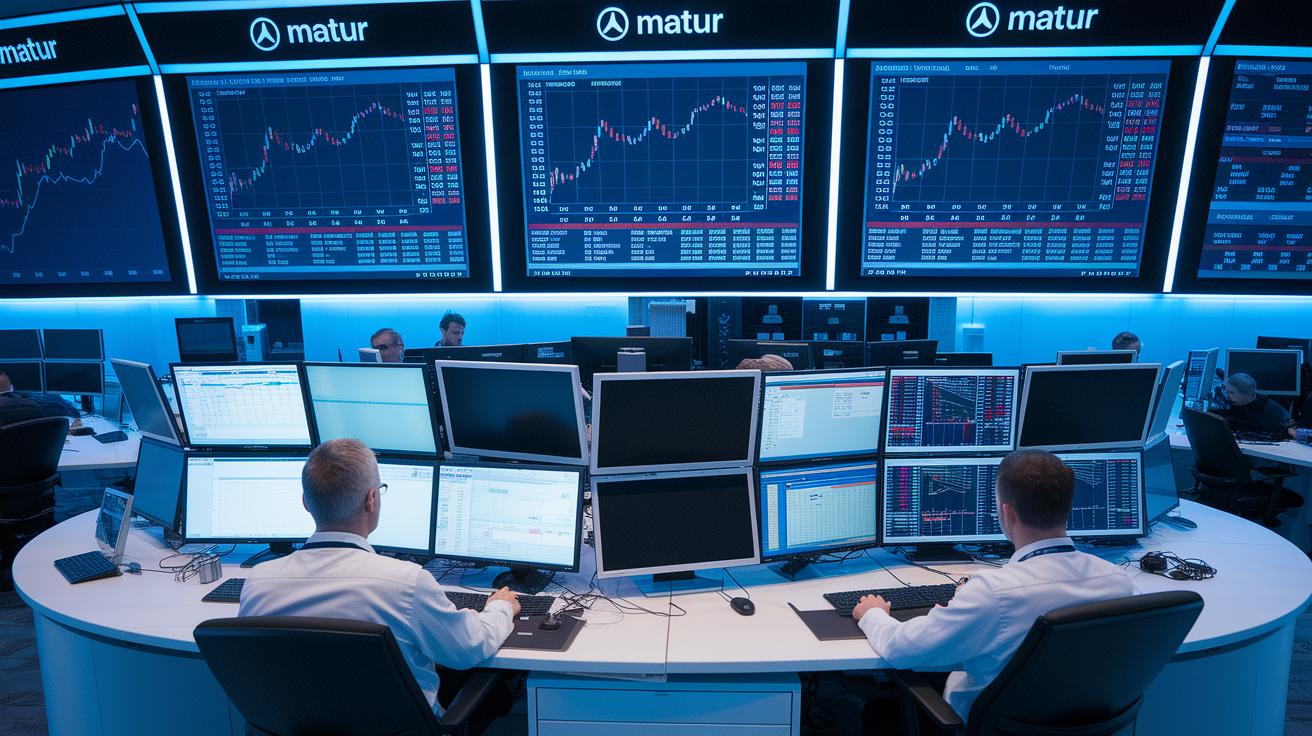
The forex market runs on a network of computers instead of a single central exchange. Major groups include commercial banks, central banks, hedge funds, multinational corporations, and retail traders. Each group plays a specific role to keep the market liquid and smooth.
Commercial banks supply most of the market’s liquidity. Central banks influence supply with monetary policy. Hedge funds apply advanced strategies to profit from market moves. Multinational corporations use the market to manage currency risk and handle cross-border payments, while retail traders access the market through brokers.
Key trading instruments include spot transactions, forward contracts, and market orders. Spot transactions settle rapidly and help manage immediate exposure, whereas forward contracts let entities lock in rates for future needs.
• Commercial banks deliver the key liquidity needed for trade
• Central banks shape market sentiment with policy decisions
• Retail platforms give individual investors access to global trading
For example, a retail trader can use a market order to quickly secure a position, reflecting the fast and dynamic nature of the forex market.
Forex Trading Sessions and Global Market Hours
Forex trades round the clock in four key sessions, each with its own trading activity and price swings. Daylight saving tweaks the hours slightly, but the four sessions remain constant.
Sydney Session
Sydney kicks off at 10 PM GMT. Liquidity is lighter, with smaller regional banks setting the early pace.
Tokyo Session
Tokyo starts at 12 AM GMT. Traders focus on yen pairs as Asian economic data comes in, creating noticeable volatility with moderate market participation.
London Session
London opens at 8 AM GMT. It becomes the busiest session, with high liquidity driven by European economic releases and active bank trading.
New York Session
New York begins at 1 PM GMT and overlaps with London. This overlap pushes daily volume to over 50%, with strong U.S. data and heavy institutional trading fueling fast price moves.
| Session | UTC Hours | Peak Liquidity (%) |
|---|---|---|
| Sydney | 10 PM GMT | 10% |
| Tokyo | 12 AM GMT | 15% |
| London | 8 AM GMT | 35% |
| New York | 1 PM GMT | 40% |
Forex Market Overview: Bright, Simple Insights
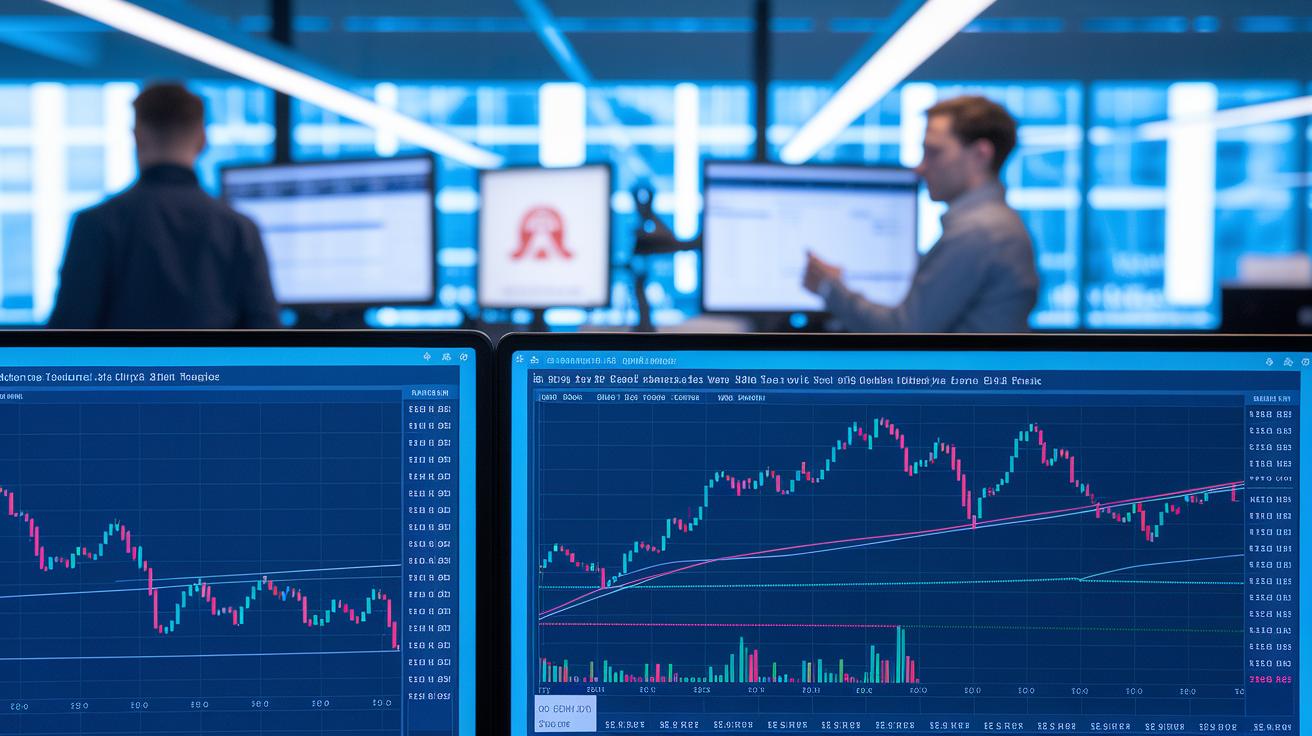
Central bank actions and economic reports drive the forex market. Staying on hold with interest rates calms markets, while unexpected economic data stirs volatility.
• ECB keeps rates steady, easing market jitters in Europe.
• The FOMC holds rates at 3.50–3.75% after earlier cuts, signaling caution.
• A dovish signal from the Bank of England pressures GBP/USD.
Key economic figures, US nonfarm payrolls, CPI, GDP, and unemployment, directly impact market sentiment. A solid nonfarm payroll report usually boosts the US Dollar and prompts more volatility, while changes in US Treasury yields can shift risk appetite across currency pairs.
Traders watch these numbers in real time using charts and forecast tools. A sudden economic report can shift positions quickly, often leading to wider spreads and increased risk. When softer GDP or lower unemployment figures hit, many traders adjust stop-loss orders to guard against rapid market swings.
These core insights help traders navigate the forex landscape with confidence.
Forex Trading Basics: Instruments, Leverage, and Liquidity
Understanding forex trading starts with knowing the key currency instruments. These include spot trades, forward contracts, and derivatives like options and futures. Each type serves a specific role in trading and risk management.
• Spot trades settle within about 2 business days.
– Traders exchange currencies immediately at the current bid/ask rates.
– This fast settlement supports both hedging and speculative moves.
• Forward contracts let you lock in an exchange rate for a future date.
– They’re ideal for businesses managing cross-border payments.
– Their flexible terms help reduce currency risk.
• Options give you the right, without obligation, to trade at a set rate.
• Futures require the trade on the contract’s maturity date.
– Both help with risk management and speculation, though each features its own margin rules.
Traders often use leverage up to 100:1. Major currency pairs usually offer tighter bid/ask spreads and deeper liquidity, while exotic pairs can see wider spreads.
5 Key Forex Trading Concepts:
- Pip and point values
- Lot sizes (standard, mini, micro)
- Bid/Ask spread
- Margin requirement
- Leverage ratios
Forex Market Analysis Tools and Trend Indicators
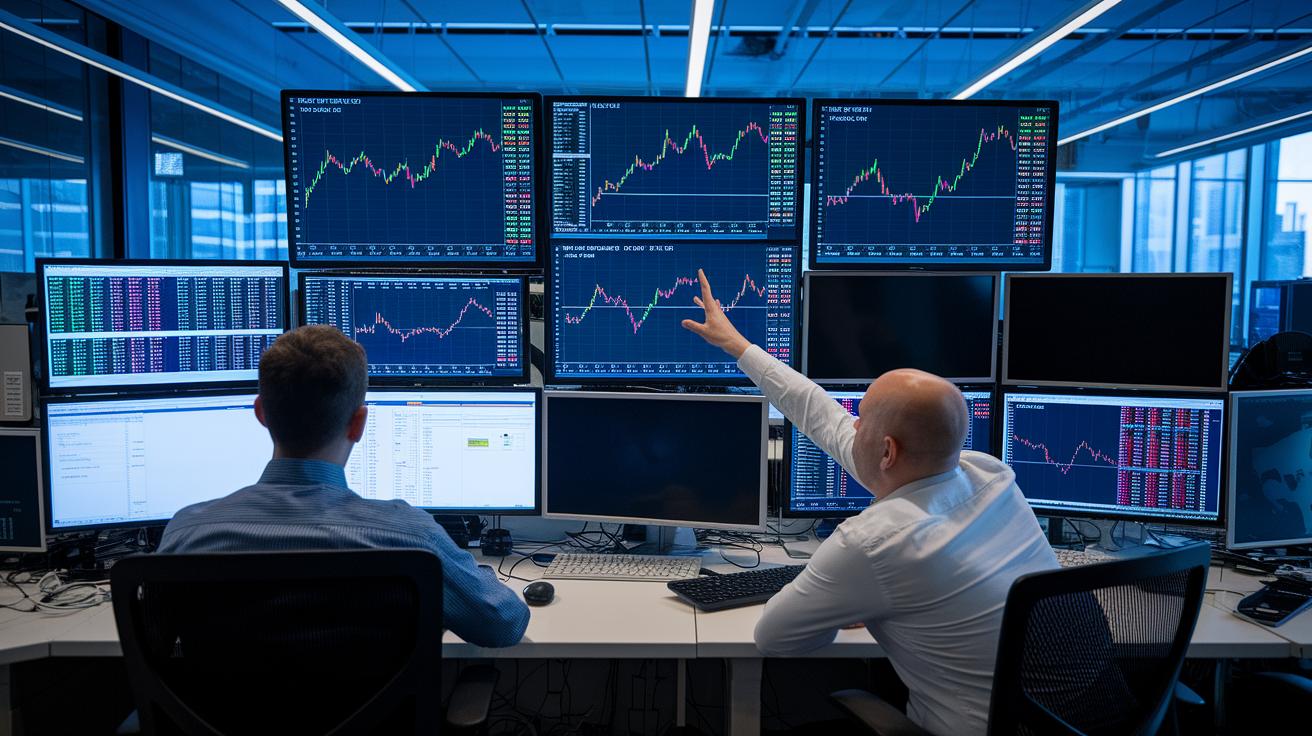
Traders combine fundamental analysis (looking at economic outlooks and interest rate policies) with technical analysis (studying price charts and historical trends) to predict currency moves. Live streaming charts and real-time data feeds give a fast snapshot of market conditions so traders can act quickly, sometimes one minute of data is all it takes to catch a key shift.
• Live charts help traders spot sudden changes.
• Forecast polls and rates tables show overall market sentiment.
• Technical confluence detectors alert analysts when several indicators line up at a key level.
Many platforms offer a range of tools from simple moving averages to advanced oscillators. For instance, TradingView provides real-time charts and straightforward tutorials on chart patterns, easing the learning curve for traders on any budget.
Key indices like the Dollar Index (measuring the US Dollar against major currencies) and the Fed Sentiment Index (gauging market views on monetary policy) sharpen market analysis. When combined with live data, these indices help confirm trends and alert traders to shifts in the market.
This mix of fundamental and technical tools lets traders quickly assess market direction and adjust strategies to capture opportunities in major currency pairs.
Regulatory Framework and Risk Management in the Forex Market
Forex trading runs on a loosely regulated global platform. Brokers register with local bodies like the CFTC (US) or FCA (UK) to meet basic oversight standards, but much of the market operates without centralized controls.
• Brokers meet local registration requirements
• Regulators set minimum oversight, leaving many controls to market practice
• Traders rely on personal risk strategies amid minimal central regulation
Traders protect their capital with practical risk rules. They set stop-loss orders to limit losses, adjust position sizes to keep exposure in check, and diversify across currency pairs and various assets. In volatile periods, many move to safe-haven assets like the USD, JPY, and gold for greater stability. Automated tools enforce risk parameters instantly, while robust cybersecurity measures guard trading platforms from threats.
| Risk Management Principle | Action |
|---|---|
| Stop-loss Orders | Define exit points to cap losses |
| Position Sizing | Adjust trade sizes to control risk |
| Diversification | Spread investments across assets |
| Safe-Haven Assets | Shift to currencies like USD, JPY, or gold during uncertainty |
This framework lets traders manage risks effectively even when central regulation is sparse, ensuring they can act fast in a fast-moving market.
Final Words
In the action from trading sessions and market dynamics to risk management techniques, the blog post breaks down key components of how the forex market functions every day. It covers trading sessions, from Sydney to New York, and explains how economic indicators and regulatory guidelines shape price moves. The forex market overview ensures that you understand essential instruments and tools for spotting tradeable opportunities. Each section builds on a clear picture of market structure and what to watch next. Stay focused and use these insights for swift, confident decisions.
FAQ
What is a forex trading app?
A forex trading app is a mobile platform that lets traders execute currency trades, check live charts, track market movements, and manage portfolios on the go with ease.
What does the forex market today refer to?
The forex market today refers to the current trading conditions including live pricing, liquidity levels, and active sessions that impact daily currency exchange and market volatility.
What is the forex market cap per day?
The forex market cap per day is measured by its daily trading volume, which exceeds $6 trillion, marking it as the largest and most liquid financial market.
What is a foreign exchange market PDF?
A foreign exchange market PDF is a document outlining forex fundamentals, key players, trading sessions, and essential strategies, offering an in-depth overview for traders and researchers.
What is the forex market live chart on TradingView?
The forex market live chart on TradingView provides real-time data, technical indicators, and interactive charting tools that help traders analyze price movements and market trends.
Who controls the forex market?
The forex market is a decentralized network that is not controlled by any single entity but instead involves banks, financial institutions, governments, and individual traders worldwide.
What does forex market analysis today involve?
Forex market analysis today involves reviewing economic indicators, central bank decisions, and technical chart patterns to assess currency trends and anticipate market volatility.
What are the types of foreign exchange markets?
The types of foreign exchange markets include spot markets, forward markets, and options markets, which differ in contract terms, settlement periods, and risk management practices.
What is the basic overview of forex?
The basic overview of forex is that it is the largest global trading market, operating 24 hours a day through a decentralized over-the-counter network that exchanges major and minor currencies.
Is it possible to make $1000 a day in forex?
It is possible to make $1000 a day in forex with a solid strategy, sufficient capital, disciplined risk management, and favorable market conditions, though results vary per trader.
What is the 2% rule in forex?
The 2% rule in forex means that traders limit the risk on any single trade to no more than 2% of their account balance to manage potential losses effectively.
Can you make $100 a day on forex?
Yes, making $100 a day on forex is achievable with consistent trading strategies, effective risk management, and adequate trading volume, though performance depends on market conditions.