


Chinese Demand Shifts Metals Prices
China's local buying is changing global metals prices, with stronger steel rebar demand pushing prices up and weaker aluminum purchases pulling prices down.
• Steel rebar prices rise as local demand strengthens.
• Aluminum costs fall when domestic buying is weak.
• Increased Chinese spending drives manufacturers to export more.
• Policy actions help keep the market stable.
Domestic trends in China are playing a key role in global metals pricing. Strong local demand boosts steel prices, while a dip in aluminum buying lowers costs. This shift forces manufacturers to rely more on exports, triggering adjustments worldwide. Investors should watch these moves as they highlight challenges and opportunities in the industrial metals market.
China Demand’s Direct Influence on Industrial Metals Prices
Construction MMI rose 2.56% recently but remained within a narrow 10-month range. This move shows that China's industrial demand sends mixed signals to global metal prices.
- The index advanced 2.56% while staying in a tight 10-month band.
- Aluminum prices dropped due to weak local buying in China.
- Rising Chinese steel rebar prices helped cushion losses in Midwest bar fuel surcharges.
- The World Bank metals index rebounded 3% in May after an 8% drop in April.
Lower domestic demand in China is pushing manufacturers to export more semi-finished and finished steel. This increase in supply abroad depresses aluminum prices worldwide. The quick shift in demand highlights how local trends can quickly impact international pricing.
Even with modest gains in overall metal indices, not all products react the same. For instance, while the World Bank index shows a recovery, aluminum remains under pressure, and steel rebar prices continue to rise. Investors should watch these moves as they reflect changes in production and distribution across regions.
How China Demand Impacts Industrial Metals Prices: Optimism
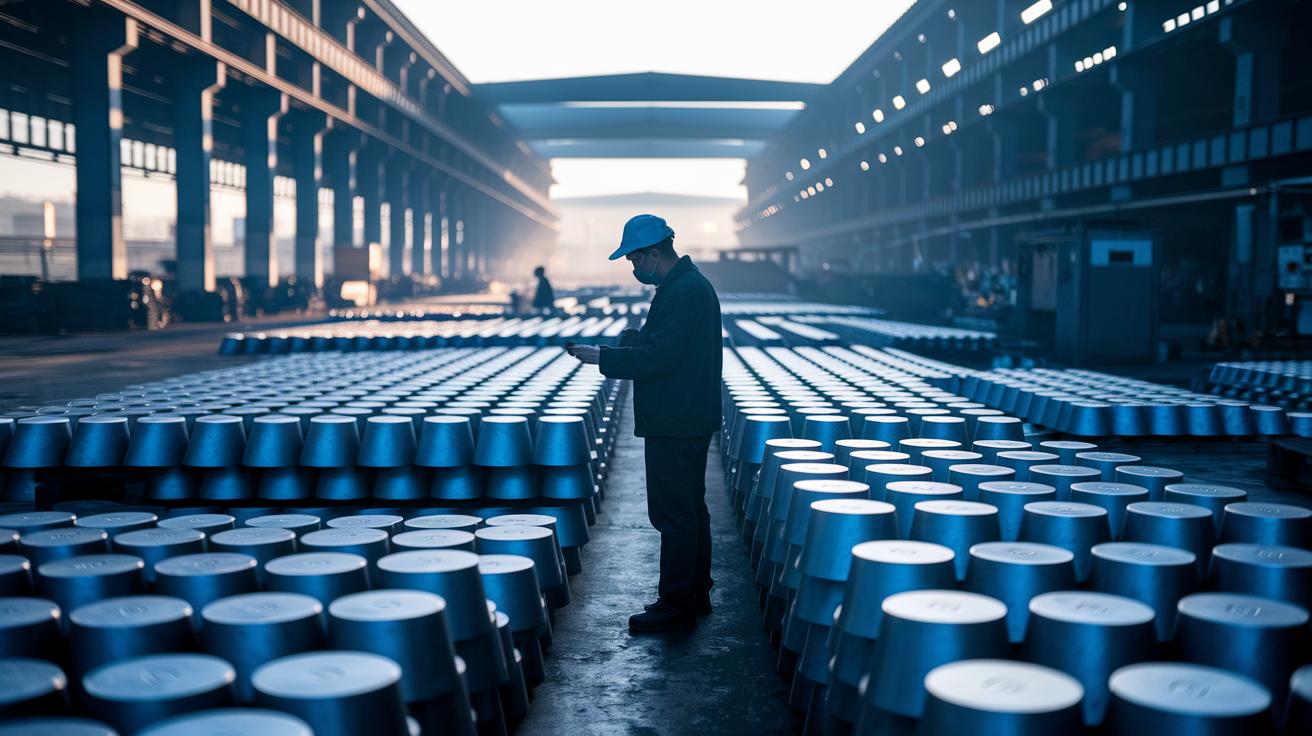
China drives more than half of global industrial metals use. Strong domestic spending and stimulus boost raw material purchases, keeping demand on a steady rise. Tight environmental rules and import quotas help manage supply by limiting excess. This forces producers to refine their operations, which keeps raw material demand high even when global markets change.
Export controls have also shifted the market by creating regional surpluses. These measures often lead to strategic stockpiling of key raw materials critical for high-tech and clean energy projects. In doing so, they support longer-term price stability even as traders adjust in the short term.
A blend of strong domestic demand and policy-driven supply shifts has created a resilient market. Despite ongoing supply chain challenges, China's consistent buying is keeping industrial metals prices firm and fueling a cautiously optimistic outlook.
- Domestic infrastructure and stimulus spending boost demand.
- Environmental rules and import quotas limit supply.
- Export controls create regional surpluses that affect market balance.
Metal-Specific Demand Profiles: Copper, Aluminum, Nickel, and Steel
Copper Demand in China
Copper imports in China rose 5% in 2024 as industrial activity picks up.
• Imports climbed 5% year-on-year amid a rebound in construction and manufacturing.
• Factories are ramping up output and infrastructure projects are accelerating.
• Suppliers are adjusting production to tight global copper supply.
Aluminum Consumption and Price Response
Global aluminum prices fell 4% in 2023 after production cuts hit the market.
• The price drop came as China shifted its consumption patterns amid weak domestic demand.
• Producers scaled back output and trimmed inventories to balance supply.
• This adjustment helped ease price volatility as buyers recalibrated their orders.
Nickel Usage Trends
China’s battery sector drove 30% of global nickel use in 2024 as electric vehicle production surged.
• Demand for nickel spiked due to rapid growth in battery manufacturing.
• Suppliers are working to meet tight schedules amid rising output needs.
• The shift to battery production has increased competition and stabilized pricing.
Steel Market Movements
Chinese rebar prices increased by 3%, boosting steel futures amid active construction.
• A 3% rise in rebar prices reflects strong domestic infrastructure spending.
• Steel remains in high demand as builders and industrial players push projects forward.
• Rising costs signal a tighter market balance and could influence future bids.
Historical Trends and Policy Shifts Shaping China’s Metal Demand

In the 2000s, China led a commodities super-cycle that pushed metal prices higher through rapid industrial growth and strong domestic consumption. Abundant state stimulus and robust export demand drove sustained price increases for nearly a decade.
• Metal prices were once lifted by state stimulus and strong export demand.
• Today, tighter environmental rules and export controls have shifted market dynamics.
Recent reforms have made metal markets more sensitive to policy changes rather than broad industrial growth. Underinvestment and lower-quality ore now slow supply responses when prices shift. Instead of explosive growth, demand has become more focused on sectors such as clean energy projects, defense spending, and digital infrastructure.
• Industry underinvestment slows supply adjustments.
• Demand now centers on targeted sectors rather than overall market expansion.
Post-2010 policy reforms raised quality standards and pushed the industry toward cleaner production and efficiency improvements worldwide. These government measures emphasize sustainability and limit environmental impact, which adds volatility amid geopolitical and regulatory changes. China's metal demand now follows a more cautious, strategic pattern that aligns with long-term economic, technological, and environmental trends.
• Stricter quality controls reduce available supply.
• Demand shifts to measured, strategic buying aligned with longer-term trends.
Forecasting Industrial Metals Prices Amid Chinese Demand Variability
Analysts expect industrial metals prices to fall in 2025-26 as demand weakens. Key markers such as China's PMI, import data, and infrastructure spending will signal market shifts. Models show slowing domestic consumption may push prices down across several metals.
- Metals prices likely drop in 2025-26 due to softening demand.
- Supply disruptions and easing trade tensions present potential upside.
- Watch China’s PMI, import volumes, and infrastructure investment for early signals.
Even a small boost in infrastructure spending or an unexpected supply shock could lead to short-term price gains. Overall, market sentiment remains fragile amid global uncertainty. Investors should watch these real-time indicators to adjust forecasts and manage portfolio risks in this volatile market.
Risk Factors and Volatility Drivers in China-Influenced Metal Markets
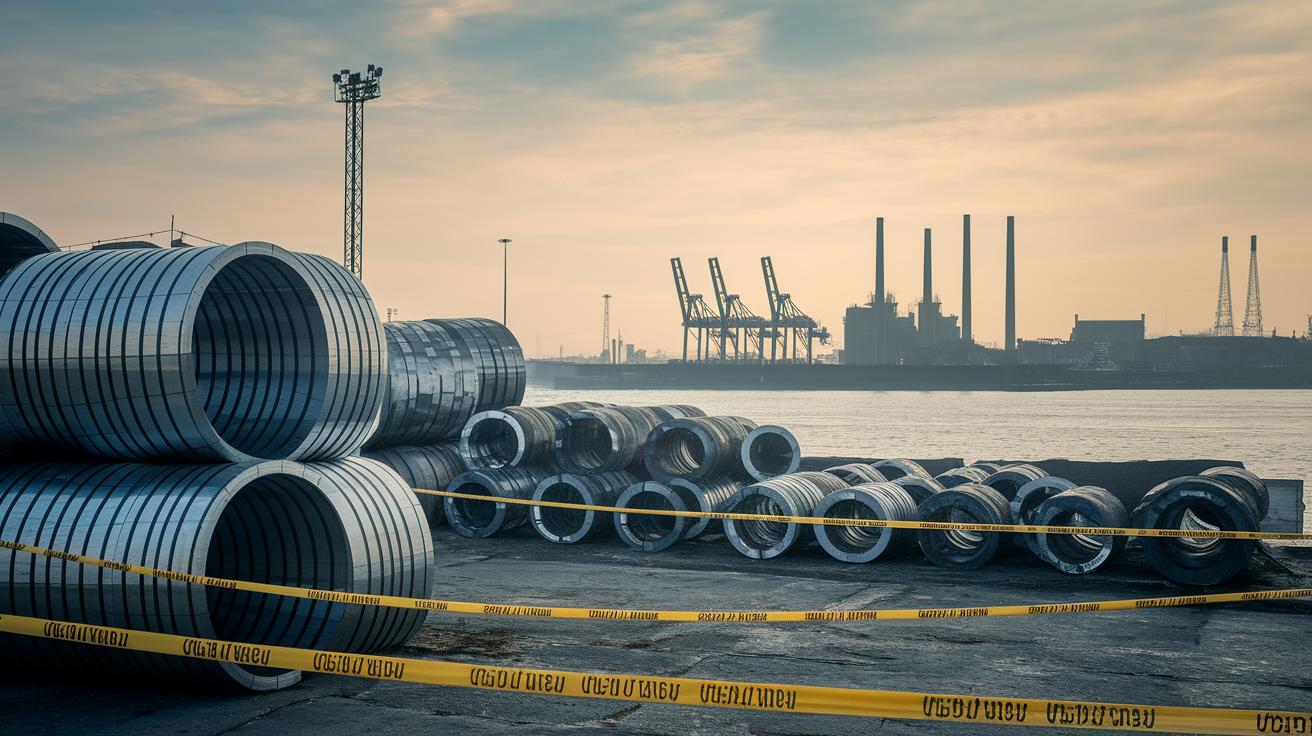
US-China trade friction and tariffs have unsettled the flow of metals, sparking market uncertainty and rapid price changes.
• Trade tensions disrupt metal import and export flows
• Strict regulations can cause quick shutdowns at mines
• Yuan swings drive up import costs and add price chaos
• Shifts in China’s manufacturing PMI lead to volatile reactions
US-China trade disputes raise tariffs that directly alter the cost of metals. When manufacturers face unexpected price hikes from these increasing costs, market responses happen fast.
When authorities tighten environmental or safety rules, sudden factory or mine closures create a supply shock. These stops push prices higher in both production and finished goods.
Currency swings add another layer of risk. Yuan volatility means that even small changes can grow expenses, sparking unpredictable price moves in metal markets.
Finally, when China’s manufacturing PMI shifts unexpectedly, it signals changes in production and overall sentiment. Such indicators trigger rapid market adjustments as supply chains scramble to adapt.
Final Words
in the action, this blog outlined China's active role in shaping global metals pricing. We broke down key demand trends and supply chain shifts driven by domestic policies. Data on copper, aluminum, and steel provided clear insights, while historical trends and forecast models reminded us of the market's evolving nature.
Our analysis shows how China demand impacts industrial metals prices, giving readers actionable clues for trade timing and risk evaluation. Positive momentum offers fresh opportunities for smart market moves.
FAQ
How china demand impacts industrial metals prices pdf
The impact of China’s demand on industrial metal prices is explained in detailed PDF reports that outline shifts in supply and demand affecting metals like copper, aluminum, and steel.
Copper price rally $13,000
The copper price rally to $13,000 indicates strong market momentum bolstered by increased industrial recovery signals and a surge in demand, as reflected in futures trading.
Copper price news latest
The latest copper price news highlights rapid market changes driven by global demand shifts and investor sentiment, leading to notable moves in both futures and spot markets.
The London Metal Exchange
The London Metal Exchange is a primary trading venue for industrial metals, where standardized futures contracts are used for price discovery and trading transparency worldwide.
Copper trading symbol
Copper is traded under the symbol HG, representing standardized futures contracts that serve as a market indicator for copper price trends and volatility.
HG Copper futures
HG Copper futures are contracts that allow traders to hedge or speculate on future copper prices, reflecting the influence of global demand trends, including those from China.
Hg 1 stock price
The Hg 1 stock price refers to a specific market instrument linked to the metals sector, with its movements closely tracking overall market sentiment and industrial metal price shifts.