


Raw Emeralds Display Natural Allure
Collectors favor raw emeralds for their natural imperfections and unique textures.
• Natural inclusion patterns make each stone one-of-a-kind.
• Varied shades of green offer a window into nature's forces.
• Their unpolished look holds both investment appeal and creative potential.
Raw emeralds showcase the earth’s work with rough edges and distinctive patterns that set them apart. In a market where perfection is prized, these stones remind us that nature’s true form can be both beautiful and valuable.
Raw Emerald Overview: Characteristics of Uncut Stones
Raw emeralds are uncut natural crystals that come straight from the earth. They are left in their original state and show natural features that tell the story of their formation. Although they are usually not as bright as their cut counterparts, raw emeralds hold a genuine beauty.
These stones are valued for what they reveal about nature. Each emerald is unique in size, shape, and the internal marks (inclusions) it carries. They often sell as individual pieces with their own pattern and color spread. Because they have not been processed, their price is generally lower than that of polished gems, but they offer potential for transformation into more refined pieces.
- Color and hue intensity vary from stone to stone.
- Inclusion patterns show natural matrix and flaws.
- Surface textures remain rough with natural edges.
- Sizes and shapes are diverse.
- Grade classifications range from Grade A (minimal inclusions, vibrant green) to Grade B (more inclusions, deeper, earth-toned green).
Collectors and investors appreciate raw emeralds for their authenticity and the unique story each stone tells. Many see these gems as opportunities to upgrade value through skilled craftsmanship later on, making them an attractive addition to any collection or investment portfolio.
Geological Formation of Uncut Emeralds
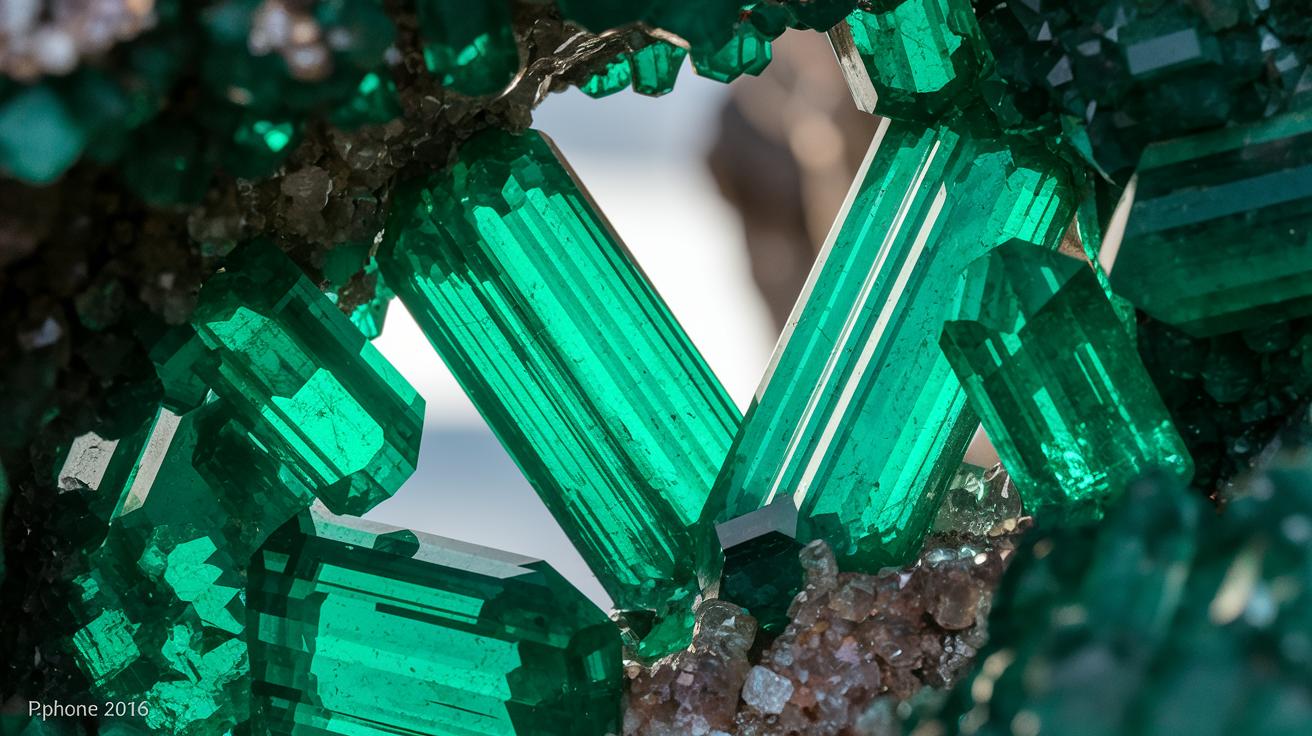
Emeralds form when mineral-rich fluids seep through rock fractures, sparking unique crystal growth.
• Fluids deposit dissolved elements to build hydrothermal veins.
• Trace elements like chromium and vanadium set the distinctive green hue.
• Colombia and Zambia yield raw emeralds shaped by varied geological conditions.
Mineral-rich fluids travel through cracks in metamorphic rocks and pegmatite environments. As these fluids percolate through the Earth's crust, they deposit dissolved elements and create hydrothermal veins. Changes in pressure and temperature cause emeralds to grow into distinct octahedral shapes with natural inclusions.
Emeralds consist of beryllium aluminum cyclosilicate, formed when beryllium combines with silicate and aluminum. Small amounts of chromium or vanadium give emeralds their prized green color and affect the stone’s clarity and tone as they bond within the crystal lattice.
In regions like Colombia and Zambia, local geology, including mineral makeup, temperature shifts, and pressure differences, determines the crystal size, clarity, and inclusions. Each stone tells a unique formation story, reinforcing the natural authenticity of uncut emeralds.
Identifying and Authenticating Raw Emeralds
Begin by closely inspecting the raw emerald. Look for natural color zoning, tiny cracks, and inclusions that signal the stone is unaltered and genuine.
| Grade | Clarity Range |
|---|---|
| Carving-Grade | Opaque to Translucent |
| Cabochon-Grade | Translucent to Semi-Transparent |
| Facet-Grade | Transparent (Gem-Quality) |
Next, perform a quick flashlight test in a dim room. Shine a bright light through the stone. A genuine emerald will show distinct internal inclusions and color zoning, while a treated one tends to glow uniformly.
Finally, use a jeweler’s loupe to spot any micro-fissures or subtle inclusions that might be missed by the naked eye. Comparing the emerald’s specific gravity with standard benchmarks further confirms its natural origin. This step-by-step approach reliably verifies that the raw emerald is unprocessed and true to nature.
Pricing Trends and Market Value of Raw Emerald Stones
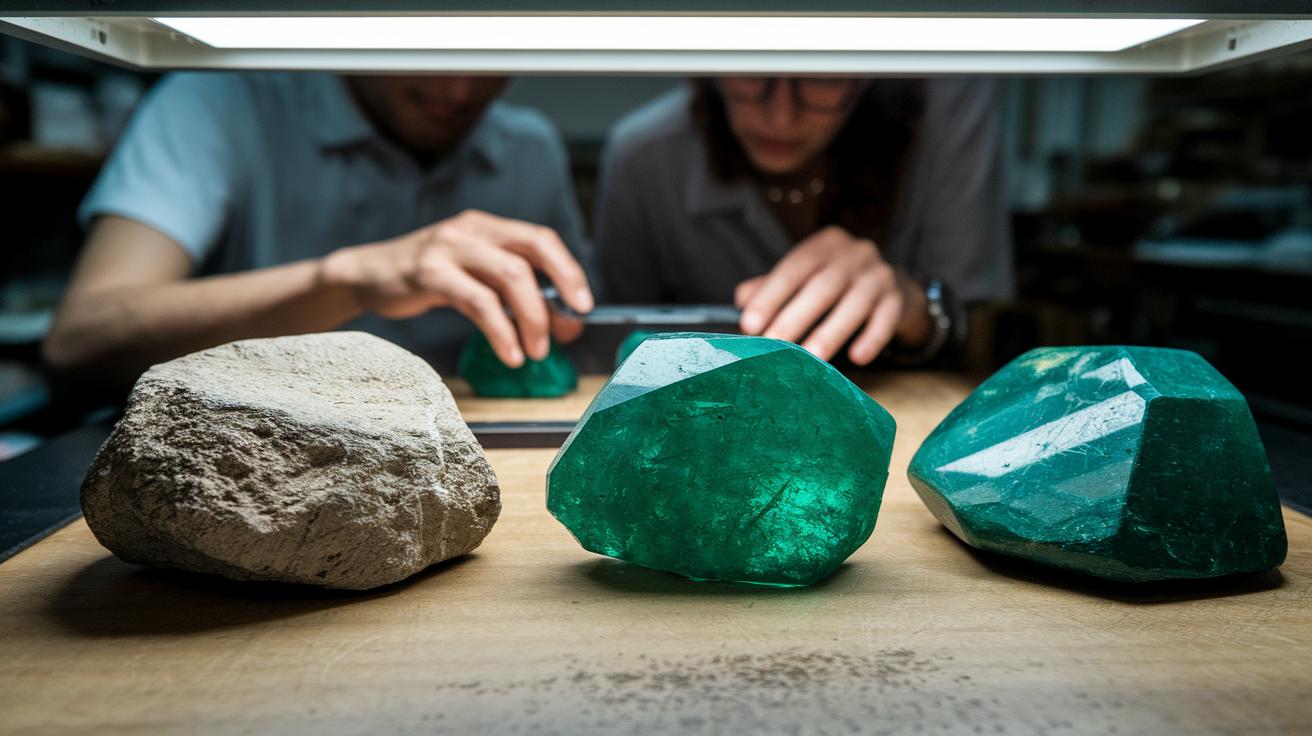
Raw emeralds cost less than cut stones because extra work is needed to reveal their beauty. Buyers pay lower initial prices, but additional processing can boost value later. This price gap matters for long-term buyers and sellers alike.
• Shipping, insurance, and customs duties can add significant costs.
• Regional differences mean these fees are often built into the final price, affecting both sellers and buyers.
Price per carat varies by clarity:
- Opaque stones with high inclusions usually have modest prices.
- Translucent or semi-transparent stones earn moderate premiums.
- Transparent, gem-quality emeralds command the highest prices.
Supply changes and rising demand from collectors have led to moderate price increases over time. Limited supply, along with global economic and political factors, also plays a role in shifting valuations. Investors and collectors looking at raw emeralds can find opportunities amid these market trends.
Ethical Sourcing and Sustainable Mining of Emeralds
Unregulated emerald mining poses serious ethical challenges with forced labor and corruption, especially in parts of South America. This lack of oversight leads to unsafe working conditions and exploitation of local communities.
• Buyers must insist on transparency and accountability from suppliers.
• Certification standards like Fairmined and CIBJO offer clear, traceable records from mine to market.
• Verified audit data and documented sourcing practices help ensure emeralds are ethically mined.
• Eco-friendly extraction practices and community programs protect the environment and improve local life.
Reputable mining firms now use sustainable methods that lower environmental impact and secure fair labor conditions. These operators support local development with better infrastructure and education, funded by mining revenues. This transparent and responsible approach builds buyer trust and ensures a reliable supply of raw emeralds for future generations.
Processing Raw Emeralds: From Rough to Faceted Gems
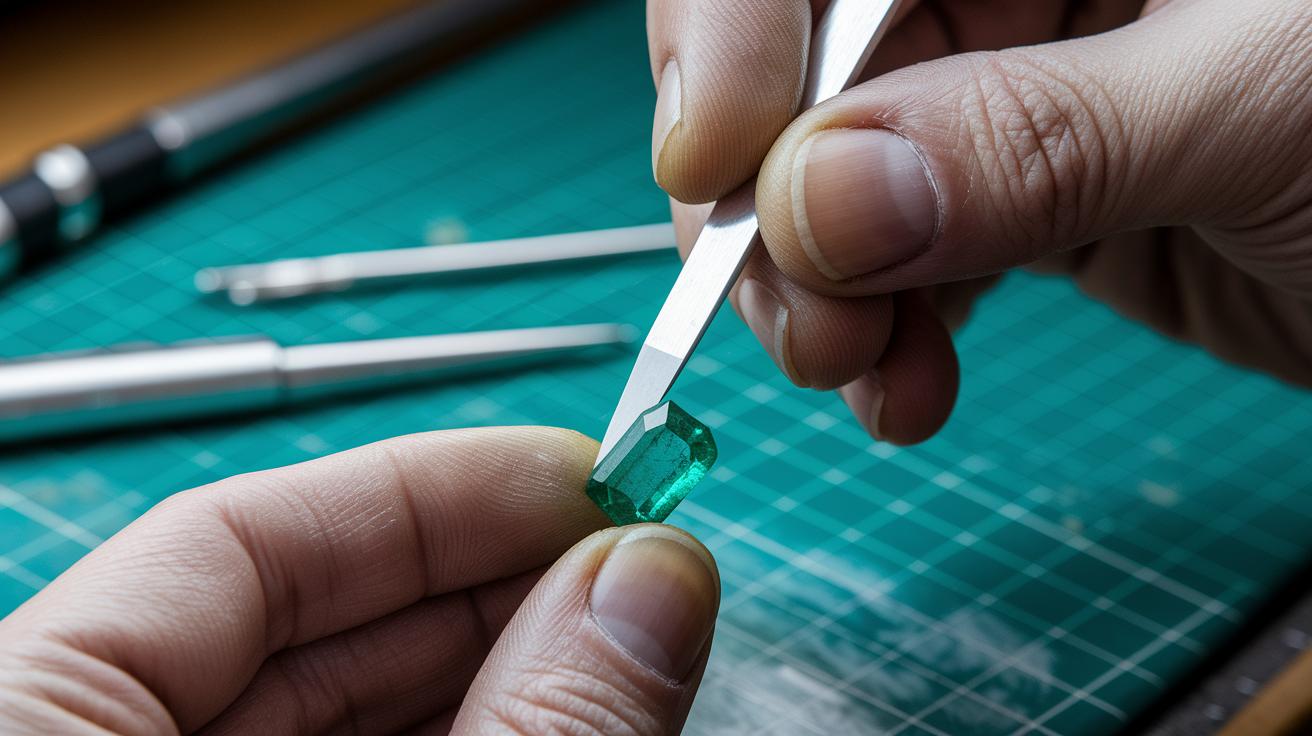
The process begins with precise trimming. Experts remove unwanted materials and dark, cloudy areas to reveal the emerald’s best parts. This vital step enhances its natural color and sets the stage for later work.
• Careful trimming eliminates imperfections early.
• Initial processing highlights the stone’s finest features for improved clarity.
Next, specialists plan the cleaving and faceting. They study the emerald’s natural lines and inclusions, choosing precise break points that preserve weight while maximizing beauty. Even a slight tweak in the angle can sharpen color contrasts and bring out the gem’s inner glow.
• Strategic cleaving maximizes yield and preserves character.
• Thoughtful facet planning enhances visual appeal.
Finally, the polishing stage brings out the emerald’s final luster. Using a range of abrasive compounds, technicians smooth the surfaces meticulously. Although about 15-25% of material may be lost to refine the gem, the end result is a brilliant stone ready to shine.
• Polishing removes fine imperfections to reveal a refined gem.
• Material loss during this stage is balanced by a dramatic improvement in appearance.
Choosing the best processing techniques is crucial to balancing clarity, size retention, and overall visual appeal.
Investment and Collection Tips for Uncut Emerald Enthusiasts
Investors need to check an emerald's quality before buying. Variations in clarity, color, and inclusions impact long-term value. A close look with a jeweler’s loupe can reveal hidden imperfections and opportunities for refinement.
• Look for natural markings, color zones, and inclusions.
• Use a loupe to assess authenticity and potential for improvement.
Buy directly from trusted mining sources or reputable dealers to avoid misrepresentation. Verified online platforms with strong seller ratings are also good options. Ask for full certification to confirm the stone's natural origin and quality grade.
• Confirm provenance with comprehensive documentation.
• Prefer credible sellers for reliable quality.
Store raw emeralds in a controlled environment to safeguard their value. Keep detailed records, including appraisal documents, to support future resale. Diversifying by buying stones of various quality grades can help manage market risks.
• Maintain proper storage conditions free of extreme temperatures and humidity.
• Document and certify each purchase for transparency.
raw emerald Radiates Uncut Natural Brilliance
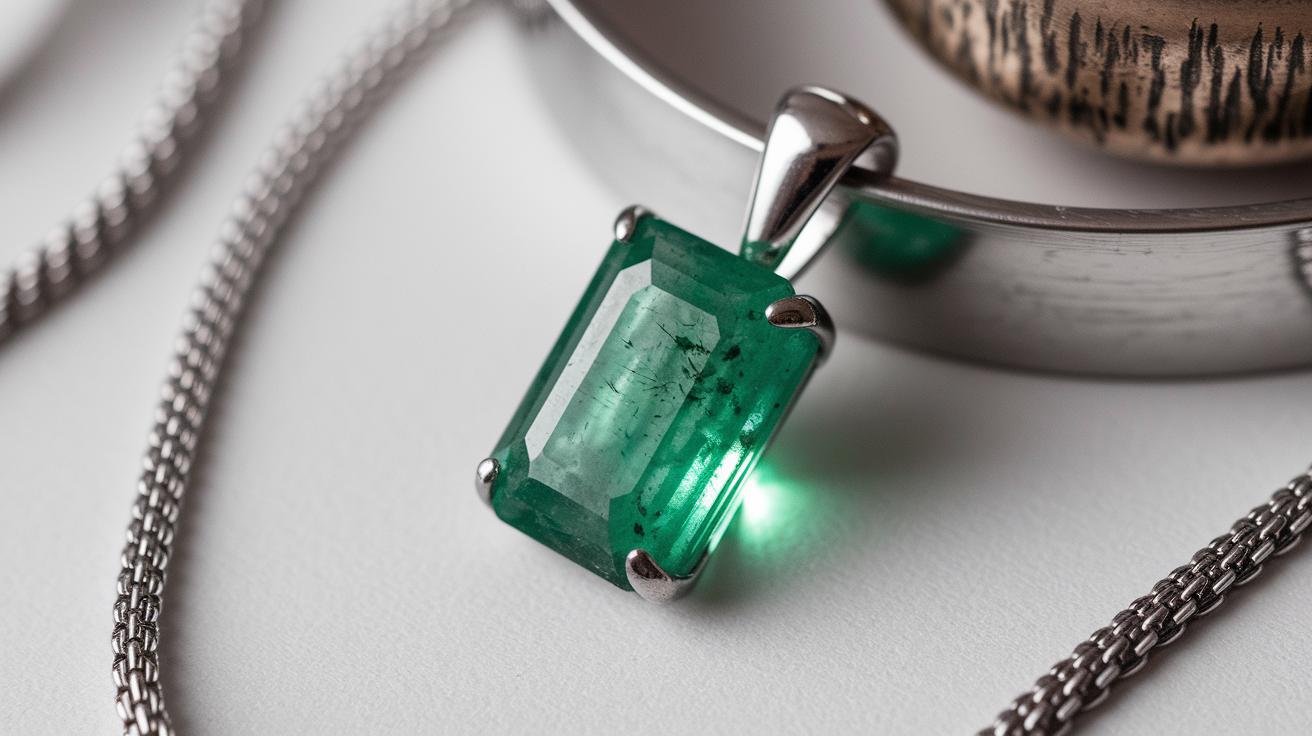
Artisans are embracing raw emeralds to highlight the stone's natural character. These pieces let the gem’s untouched textures and inclusions stand out.
• Raw emeralds now take center stage in pendants and necklaces.
• Minimalist metal settings reveal the stone’s natural edges.
• Careful handling and light cleaning keep its appeal intact.
Skilled designers set each emerald using delicate prongs or subtle bezels, ensuring the rugged stone sits perfectly against sleek metal. This design approach lets light enhance its rich color and natural patterns.
To preserve these raw beauties, store jewelry in soft pouches and avoid harsh chemicals. A gentle cleaning routine helps maintain the emerald's enduring natural brilliance.
Final Words
In the action, we explored raw emerald’s natural state, its uncut charm, and key features like color, inclusions, and grading. The blog broke down geological formation, authenticity tests, and pricing trends, along with ethical sourcing and processing details. We also examined investment tactics and creative jewelry applications. Each section provided clear insights to help pinpoint tradeable opportunities and portfolio impact. Our deep dive into raw emerald shows how its raw beauty and market dynamics can guide smart, confident decisions. Stay positive and ready to act.
FAQ
What is the current raw emerald price and where can I find raw emeralds for sale?
The raw emerald price depends on quality, size, clarity, and grade. Buyers find them through reputable dealers who highlight natural inclusions and unique color variations.
How to identify raw emerald?
The method to identify raw emerald involves checking natural color zoning, inclusions, and rough edges. A jeweler’s loupe and a simple flashlight test can also reveal its authenticity.
What is a raw emerald ring?
A raw emerald ring features an uncut stone set in jewelry, preserving its natural texture and inclusions. This design offers a unique, organic look compared to polished gems.
What does a natural raw emerald represent?
A natural raw emerald represents an unprocessed stone from the earth. It showcases genuine inclusions, color variations, and a rugged appearance that distinguishes it from cut gems.
Why are raw emeralds so cheap?
Raw emeralds tend to be cheaper because they require additional cutting and processing to reveal their full beauty. Their natural inclusions and rough edges lead to lower initial market values.
What is meant by raw emerald in matrix?
Raw emerald in matrix refers to a stone that retains significant host rock or mineral material. This characteristic gives it an organic look and appeals to collectors valuing natural formations.
What is a RAW Emerald Tray?
A RAW Emerald Tray typically refers to a display arrangement or collection of uncut emerald stones. It is used for presentation and sale, emphasizing each stone’s natural variations.
Are raw emeralds worth anything?
Raw emeralds can hold significant value based on quality, rarity, and potential for appreciation. Higher-quality specimens with fewer inclusions command greater worth in the collectible market.
Is raw emerald a real emerald?
A raw emerald is a genuine emerald found in its natural, uncut state. It carries typical geological inclusions and varied hues that define authentic emeralds.
What does an emerald look like in raw form?
An emerald in raw form appears with irregular shapes, rough textures, and varying green hues. Its natural inclusions and unpolished surface highlight its untouched, authentic character.