
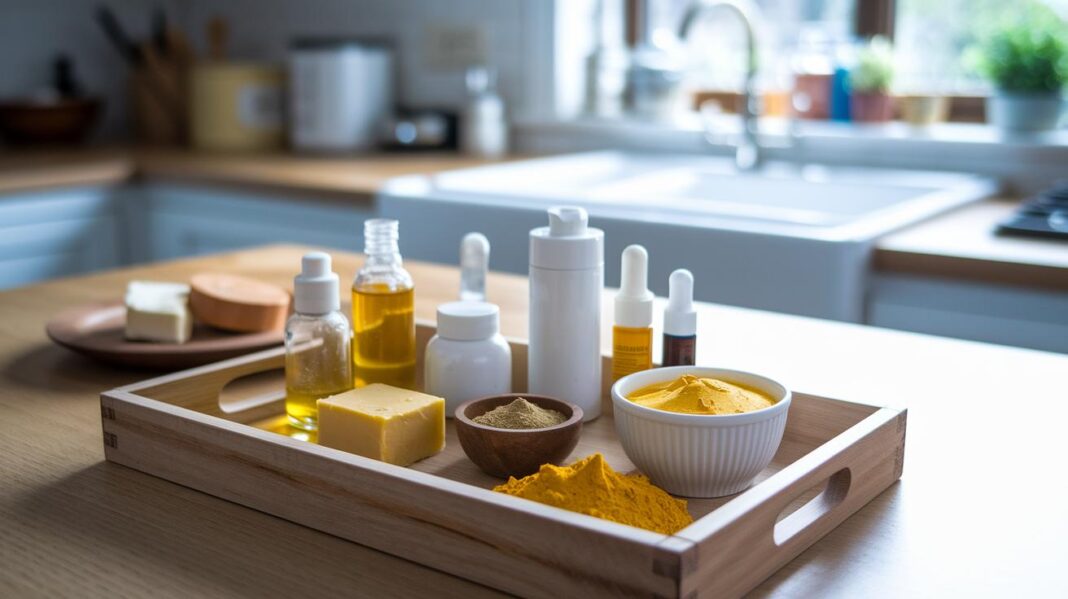

Cosmetic Raw Materials Boost Product Performance
Quality ingredients set the stage for effective cosmetics.
• Key ingredients like oils, botanical extracts, and emulsifiers drive product feel and performance.
• Rigorous quality checks and clear technical details keep formulations safe and consistent.
• This guide covers top raw material choices that deliver reliable results.
Cosmetic makers rely on premium raw materials to create products that not only perform well but also maintain safety standards. The right oils and extracts ensure that each product feels smooth on the skin and works as intended. By focusing on strict quality controls, formulators build trust and consistent results in every batch.
Understanding these core elements helps explain why some products stand out in the market. Top-rated cosmetics owe their success to the careful selection of raw ingredients, the behind-the-scenes choice that makes all the difference.
Sourcing Raw Materials for Cosmetics: A Practical Guide
Cosmetic products depend on key ingredients such as oils, botanical extracts, pigments, preservatives, emulsifiers, thickeners, and surfactants. These materials determine how a product feels, works, and meets safety rules.
• Emulsifiers mix oil and water for stable formulas.
• Surfactants boost cleansing and foaming performance.
• Technical details like viscosity, purity, and molecular weight guide proper use.
Choosing suppliers starts with a strict check on quality, cost, and reliability. Vendors must show clear technical datasheets, consistent batch quality, and proper certifications. Bulk buying and logistics are also key to setting the right price.
Aligning raw material specs with formulation needs is essential for reliable product performance. By matching properties like emulsification strength and extract purity with recipe goals, manufacturers ensure consistent texture and lasting results while keeping costs in check.
Oils and Emollients in Cosmetic Raw Materials
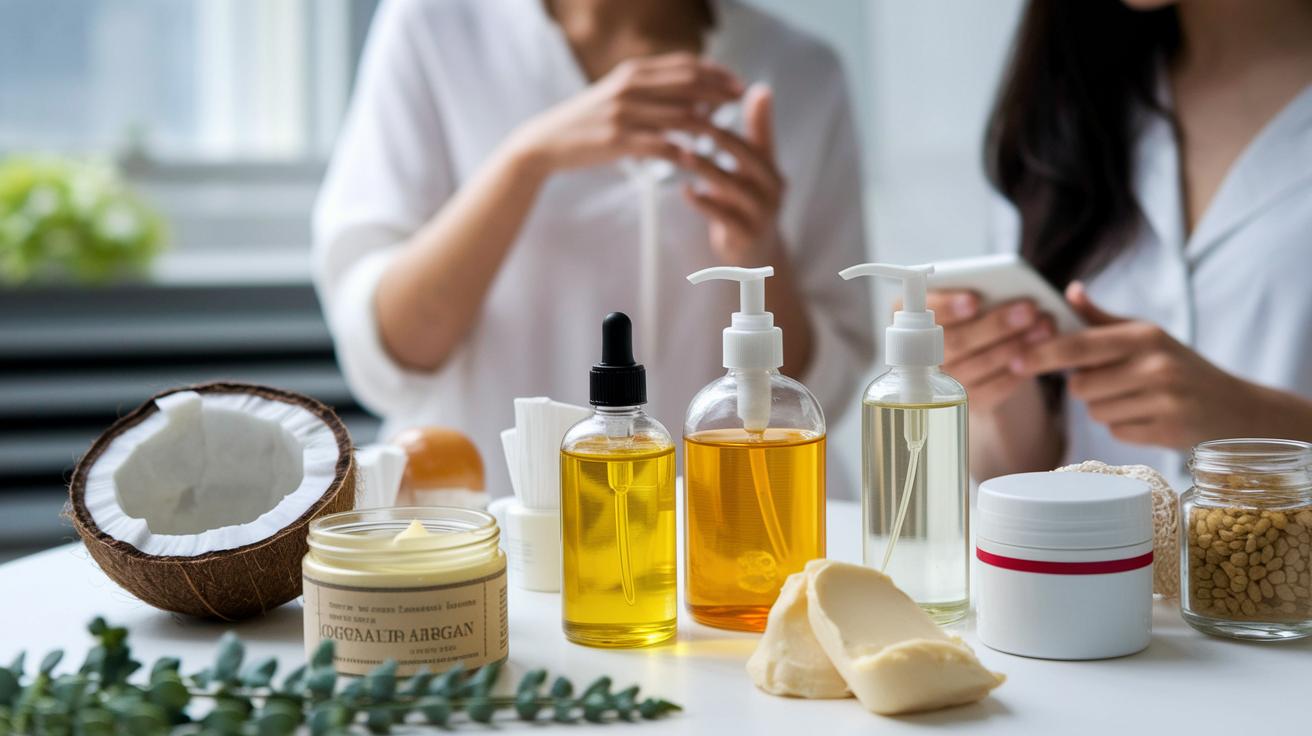
Carrier oils, essential oils, and natural butters form the backbone of many cosmetic products. They repair the skin barrier, boost hydration, and supply anti-aging antioxidants, all while staying non-comedogenic.
• They hydrate skin without clogging pores.
• They enhance product texture and feel.
• Refinement and certification are key for consistent quality.
Ingredients include:
- Coconut oil (fractionated): Provides light hydration that won’t clog pores.
- Argan oil: Rich in fatty acids and antioxidants for skin nourishment.
- Jojoba oil: Mimics natural sebum to balance moisture levels.
- Rosehip oil: Offers vitamins that boost skin tone and elasticity.
- Sweet almond oil: Deeply moisturizes and softens skin.
- Squalane (olive or sugarcane-derived): Absorbs quickly to help reduce aging signs.
- Shea butter: Moisturizes deeply without feeling greasy.
Formulators select these ingredients based on refinement, non-comedogenic ratings, and valid certifications. Highly refined oils ensure purity and stable performance, meeting strict quality standards and consumer expectations while creating effective, skin-friendly formulations.
Botanical Extracts in Raw Materials for Cosmetics
Herbal extracts like green tea, chamomile, and aloe vera deliver natural antioxidants, soothing effects, and anti-inflammatory benefits. They supply bioactives that boost skin clarity and calm irritation.
• Green tea helps reduce damage from environmental stress.
• Chamomile and aloe vera calm sensitive skin.
• Extracts add compounds such as hyaluronic acid, niacinamide, vitamin C derivatives, and plant peptides to improve hydration and even skin tone.
Manufacturers focus on high-purity bioactives to ensure each batch comes with full documentation of active concentrations and standardized profiles. This rigorous testing guarantees that plant extract refinements meet strict quality benchmarks, supporting both immediate and lasting skincare performance.
Emulsifiers, Thickeners & Surfactants in Cosmetic Raw Materials
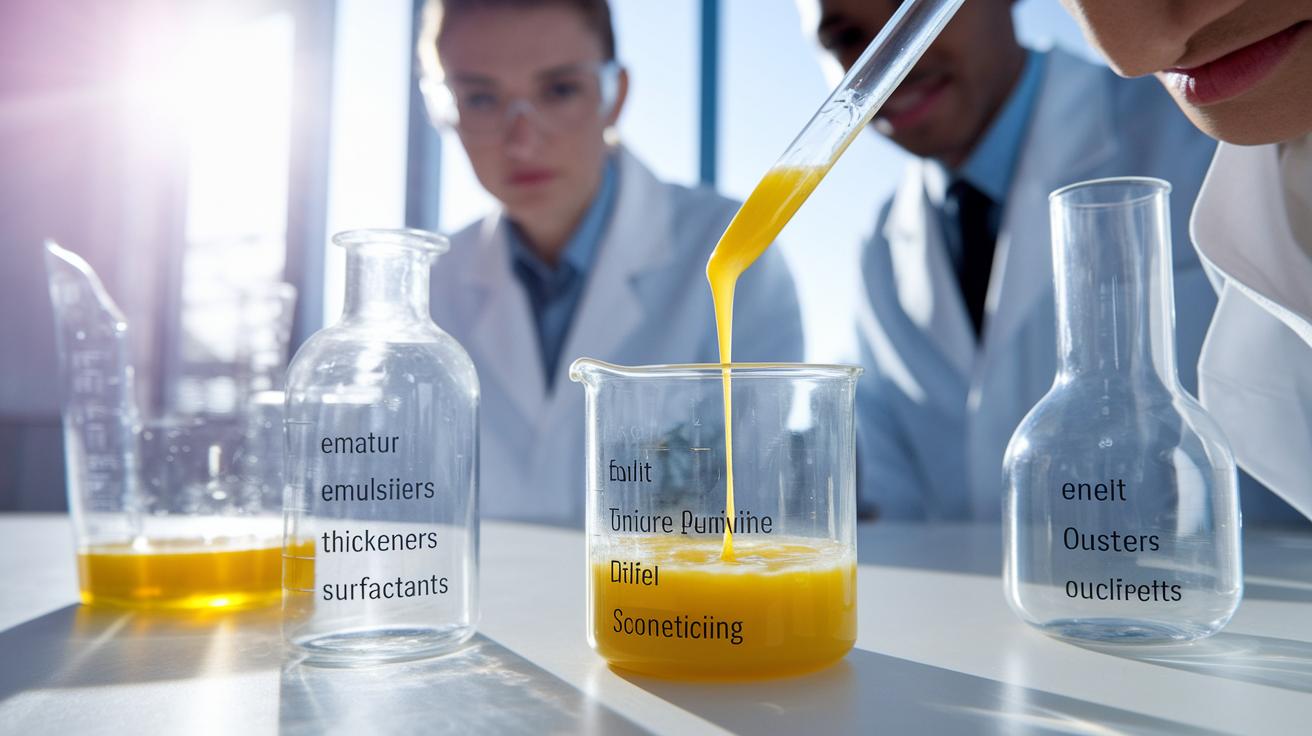
Emulsifiers, thickeners, and surfactants are key to stable, high-performance cosmetic products. They mix, thicken, and clean to give formulas a smooth, consistent feel.
- Emulsifiers like emulsifying wax and BTMS-50 blend oil and water for even texture.
- Thickeners such as carbomer, xanthan gum, and guar gum control viscosity and boost stability.
- Surfactants like sodium lauryl ether sulfate, decyl glucoside, and cocamidopropyl betaine gently cleanse while providing good foam.
Manufacturers use exact amounts of these ingredients to meet strict performance and safety standards. Emulsifiers are added at precise percentages to maintain balance without extra weight. Thickeners are dosed to achieve the right texture, and surfactants are balanced for mild cleansing and effective foam.
| Ingredient | Type | Function | Usage Rate |
|---|---|---|---|
| Emulsifying Wax | Emulsifier | Blends oil and water | 3-7% |
| BTMS-50 | Emulsifier | Stabilizes emulsion, conditions | 2-5% |
| Carbomer | Thickener | Controls viscosity | 0.2-1% |
| Xanthan Gum | Thickener | Enhances stability | 0.1-0.5% |
| Decyl Glucoside | Surfactant | Mild cleansing, foam booster | 3-10% |
| Cocamidopropyl Betaine | Surfactant | Improves foam, reduces irritation | 2-8% |
Manufacturers measure these components closely to ensure the right balance. Emulsifiers keep mixtures stable. Thickeners create the ideal texture. Surfictants boost cleaning power while staying gentle. This method meets performance targets and safety standards while using natural, bio-based options.
Preservatives & Natural Preservation Raw Materials for Cosmetics
Cosmetic products depend on reliable preservation to keep them safe and effective. Manufacturers use ingredients like phenoxyethanol, potassium sorbate, sodium benzoate, Germall Plus, and ethylhexylglycerin to block microbial growth in water-based and low-pH formulas. These chemicals help maintain a product’s look and feel while meeting strict safety and quality standards.
- Preservatives extend shelf-life by preventing bacteria and mold.
- Synthetic options offer proven and steady performance when dosed correctly.
- Natural methods such as low-pH systems, alcohol blends, and plant extracts appeal to clean labels but must pass rigorous tests.
- Key factors for choosing a preservative include pH compatibility, solubility, and market regulatory acceptance.
Pigments & Natural Colorants as Cosmetic Raw Materials
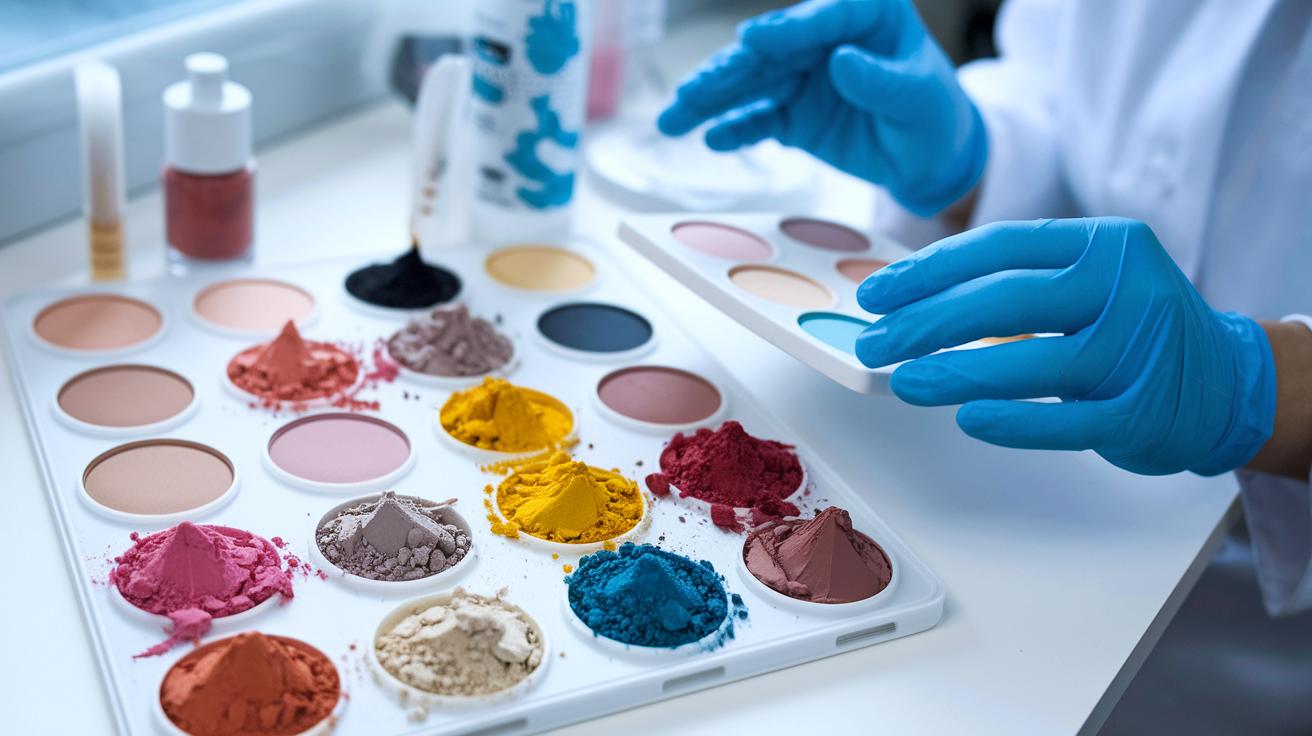
Cosmetic makers increasingly use natural pigments and plant dyes to create bright colors with added skin benefits. Inorganic options like titanium dioxide help protect against UV rays, while zinc oxide forms a soothing barrier. Mineral colorants, such as iron oxides, deliver reliable makeup colors, and botanical dyes from beetroot or turmeric offer natural tones along with antioxidants.
| Pigment | Source | Function | Typical Concentration |
|---|---|---|---|
| Titanium Dioxide | Inorganic | UV protection | 3-10% |
| Zinc Oxide | Inorganic | Soothing barrier | 2-8% |
| Iron Oxides | Mineral | Stable makeup color | 1-5% |
| Mica Powder / Plant Dyes | Natural/Botanical | Reflective shimmer & natural hues | 0.5-3% |
When choosing pigments and natural colorants, formulators focus on purity, certified natural extracts, and clear labeling. They check technical datasheets to make sure the ingredients meet industry standards for solubility, even blending, and trace mineral benefits. They also consider whether the pigment is made using sustainable methods and look for innovative natural options that work well in different formulas. This careful process helps each product maintain a vibrant and consistent color while offering long-term skincare benefits.
Quality Assurance and Compliance for Cosmetic Raw Materials
Certifications are the foundation for quality. Manufacturers use standards like ISO 22716 (GMP), ECOCERT, COSMOS, and USDA Organic to prove raw materials meet global benchmarks. These marks show that strict manufacturing and quality measures are in place, ensuring ingredients are safe and effective. For instance, meeting ISO 22716 standards confirms proper handling and production practices, giving formulators and end users confidence in the ingredient’s reliability.
• Standardized labels using INCI naming keep ingredient lists clear and consistent.
• Full disclosure of ingredients allows all stakeholders to easily check purity and composition.
• Transparent labeling supports smart decision-making for formulators and meets consumer expectations for clear product information.
Following regulations is key in raw material compliance. Guidelines like FDA Guidance and EU Cosmetics Regulation (EC) No 1223/2009 help manufacturers manage safety rules, including allergen labeling and nanomaterial guidelines. Rigorous compliance checks ensure every ingredient meets these standards before hitting the market. This process not only guarantees safety but also builds trust in international markets.
Sustainable and Ethical Raw Materials for Cosmetics
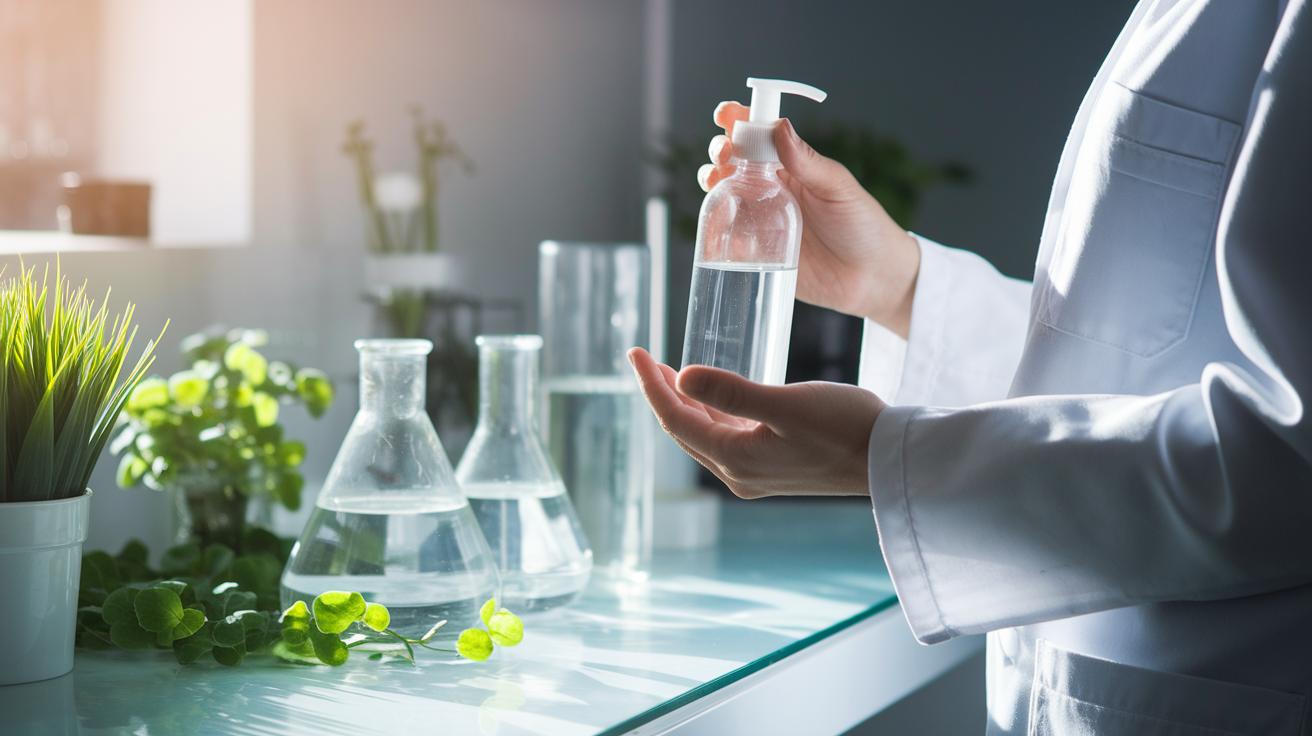
Cosmetic formulators are turning to eco-friendly additives like biodegradable surfactants and plant-based solvents to boost both performance and sustainability. These green additives cut down on waste and energy consumption during production, ensuring products deliver quality results without harming the environment.
• Eco additives lower waste and energy use.
• They help meet high performance and green standards.
• Consumers increasingly favor sustainable beauty products.
Manufacturers now rigorously vet suppliers to back their ethical sourcing. They focus on fair-trade practices and conduct strict audits to lower carbon footprints. Certifications such as FSC, RSPO, and Fair for Life confirm that each ingredient meets both quality and environmental rules.
New procurement trends are changing raw material sourcing. Advanced tracking and transparent supply chains are now common, linking cost efficiency with ethical practices. By building long-term vendor relationships and staying current on sustainable trends, companies secure raw materials that are eco-responsible and ready for market success.
Supplier Selection & Bulk Acquisition of Cosmetic Raw Materials
Reliable suppliers keep production moving. Formulators should check a vendor’s capacity, quality audit results, and lead times. These basics ensure the raw materials meet technical needs and arrive on schedule, which helps avoid delays. Clear documentation and direct manufacturer ties make working together smoother.
• Evaluate production capacity, quality audits, and lead times.
• Keep detailed records to support partnerships.
• Ensure raw materials meet technical standards.
For bulk orders, negotiators can set minimum order quantities (MOQs) and use tiered pricing to cut costs. Just-in-time delivery strategies match supply with production, reducing excess inventory and lowering storage hassles.
• Negotiate MOQs and tiered pricing.
• Use just-in-time deliveries to match production needs.
• Reduce costs and storage complexities.
Digitizing the supply chain using ERP tools boosts inventory flow. These systems track stock levels in real time and support batch coding. They also simplify managing large orders, maintain steady supplies, and enhance overall efficiency.
• Use ERP platforms for real-time inventory tracking.
• Integrate tools with streamlined logistics.
• Keep supply consistent and operations efficient.
Technical Specifications & Testing of Cosmetic Raw Materials

Lab tests confirm that every cosmetic ingredient meets strict quality standards. Manufacturers run a series of tests to verify each component’s identity and purity. They also check the raw material and the production process to ensure reliable performance.
Key methods include:
- Identity checks using high-performance liquid chromatography (HPLC), gas chromatography (GC), and Fourier-transform infrared spectroscopy (FTIR).
- Stability tests with accelerated aging (controlled heat and humidity), pH cycling, and centrifugation to mimic extended use.
- Compatibility tests through homogeneity checks, rheology assessments, and phase separation screenings to verify proper mixing.
These results drive batch release decisions. Quality control protocols flag any deviations from set standards. When all test results match target specifications, formulators approve the batch. This rigorous process safeguards product integrity and consumer safety.
Final Words
In the action, this article mapped out a step-by-step approach to sourcing raw materials for cosmetics. It reviewed key categories, from oils and botanical extracts to emulsifiers and preservatives, and underscored essential testing and compliance practices.
It covered base component origins, vendor reliability assessments, and bulk acquisition tips that equip readers to weigh quality against cost. The insights offer clear, actionable signals for managing supply chains and formulation needs.
Practical strategies like these prepare decision makers to act fast and confidently in a dynamic market.
FAQ
Frequently Asked Questions
Q: Where to buy raw materials for cosmetics?
A: Looking for raw materials for cosmetics? You can buy them online from specialized distributors, trade shows, and local suppliers who offer certified ingredients and competitive pricing.
Q: What are raw materials in cosmetics?
A: Raw materials in cosmetics refer to the fundamental ingredients such as oils, botanical extracts, pigments, and preservatives, which are combined to create makeup and skincare products.
Q: What raw materials are needed to make makeup?
A: Making makeup requires raw materials like pigments, oils, emulsifiers, and preservatives that work together to deliver color, texture, and stability in formulations.
Q: What are 5 examples of raw materials used in cosmetics?
A: Examples include coconut oil for moisture, titanium dioxide for coverage, aloe vera extract for soothing, shea butter for emolliency, and emulsifying wax to blend components.
Q: What are the only 4 ingredients in skincare?
A: In simplified skincare formulations, the four key ingredients typically include water, oil, an emulsifier to combine them, and a preservative to ensure product safety.
Q: Where can I find wholesale cosmetic ingredients suppliers in the USA?
A: Wholesale cosmetic ingredients suppliers in the USA can be found through online directories and trade platforms that offer bulk purchasing options, quality certifications, and direct manufacturer partnerships.