


Plastic Feedstocks Evolve as Manufacturers Blend Renewables
Manufacturers mix fossil fuel inputs with renewables to boost performance and cut environmental impact after 2019's 460 million tons production.
• Global production hit 460 million tons in 2019, nearly all from fossil fuels.
• Companies now combine traditional materials with renewable alternatives.
• The shift supports large-scale output while driving sustainable innovation.
Manufacturers are changing how they produce plastics by mixing proven fossil fuel resources with renewable materials. This approach aims to improve efficiency and lessen environmental impact, all while keeping production levels high. Investors should watch how these changes might boost long-term growth prospects in the materials and manufacturing sectors.
Raw Materials for Plastic: Empowering Green Growth
Global plastic production reached 459.7 million tons in 2019 and is set to grow even further. Over 99% of these plastics come from fossil-fuel–based petrochemicals, with petroleum and natural gas at the helm. This scale supports efficient production but also brings sustainability challenges.
Plastics now use a wider mix of raw materials. Manufacturers blend conventional fossil feedstocks with alternative inputs to hit performance and eco goals. This approach not only sustains large-scale production but also opens doors for green innovations.
- Petroleum: Crude oil is refined into hydrocarbons like propylene (used for polypropylene).
- Natural Gas: Processed into ethylene via steam cracking, forming the basis for many polyethylene types.
- Coal: Through Methanol-to-Olefins (MTO) processes, coal is converted into key monomers like ethylene and propylene.
- Cellulose: Derived from softwood trees and turned into bioplastics through hydrolysis and fermentation.
- Other Biomass: Renewable inputs, such as corn derivatives, offer ways to produce biopolymers like polylactic acid.
Petroleum and natural gas dominate thanks to their deep supply networks and cost advantages, while coal and renewable biomass play smaller but growing roles. This mix of feedstocks is guiding the industry as it aims to balance scale with a push for sustainability.
Petrochemical Feedstocks: Petroleum and Natural Gas in Plastic Monomers

Petrochemical feedstocks drive modern plastic production by converting crude oil and natural gas into essential building blocks. Crude oil is refined into naphtha, which produces propylene used in making polypropylene for auto parts and everyday items. Natural gas is processed by steam cracking to yield ethylene for both high-density and low-density polyethylene, as well as propene for specialty polymers.
• Naphtha gives propylene for polypropylene in consumer goods.
• Natural gas produces ethylene and propene via steam cracking.
• Efficient cracking keeps supplies steady and prices competitive.
| Feedstock | Key Monomers | Primary Polymers |
|---|---|---|
| Naphtha | Propylene | Polypropylene (PP) |
| Ethane | Ethylene | Polyethylene (PE) |
| Propane streams | Mixed monomers | Various polymers |
Cracking plays a vital role by breaking down complex hydrocarbons into simpler, usable monomers. In steam cracking, high temperatures and controlled catalysts are used to turn naphtha and ethane into propylene and ethylene. Operators fine-tune these processes to keep output steady even when market conditions change.
This efficient process not only secures a reliable supply of key monomers but also supports competitive pricing in the plastics market. Companies focus on feedstock availability, production scale, and technological advances to reduce downtime and boost throughput, helping meet rising global demand while balancing cost and environmental concerns.
Coal and Emerging Synthetic Routes for Raw Material Supply
Methanol-to-Olefins (MTO) technology turns coal into key chemical building blocks like ethylene and propylene, providing an alternative to traditional crude oil methods.
• Coal is first gasified to form synthesis gas, which then makes methanol.
• Specialized catalysts and reaction conditions convert the methanol into a mix of ethylene and propylene.
• The process mirrors outputs from naphtha cracking and natural gas processing by maintaining tight control over temperature, pressure, and catalyst performance.
• Regions with large coal reserves and modern chemical plants are increasingly adopting this cleaner, efficient method.
By optimizing every step, operators achieve precise product mixes and help reduce carbon footprints, making MTO a growing focus for industries looking to diversify raw material sources.
Renewable Feedstocks and Biodegradable Materials in Plastic Production
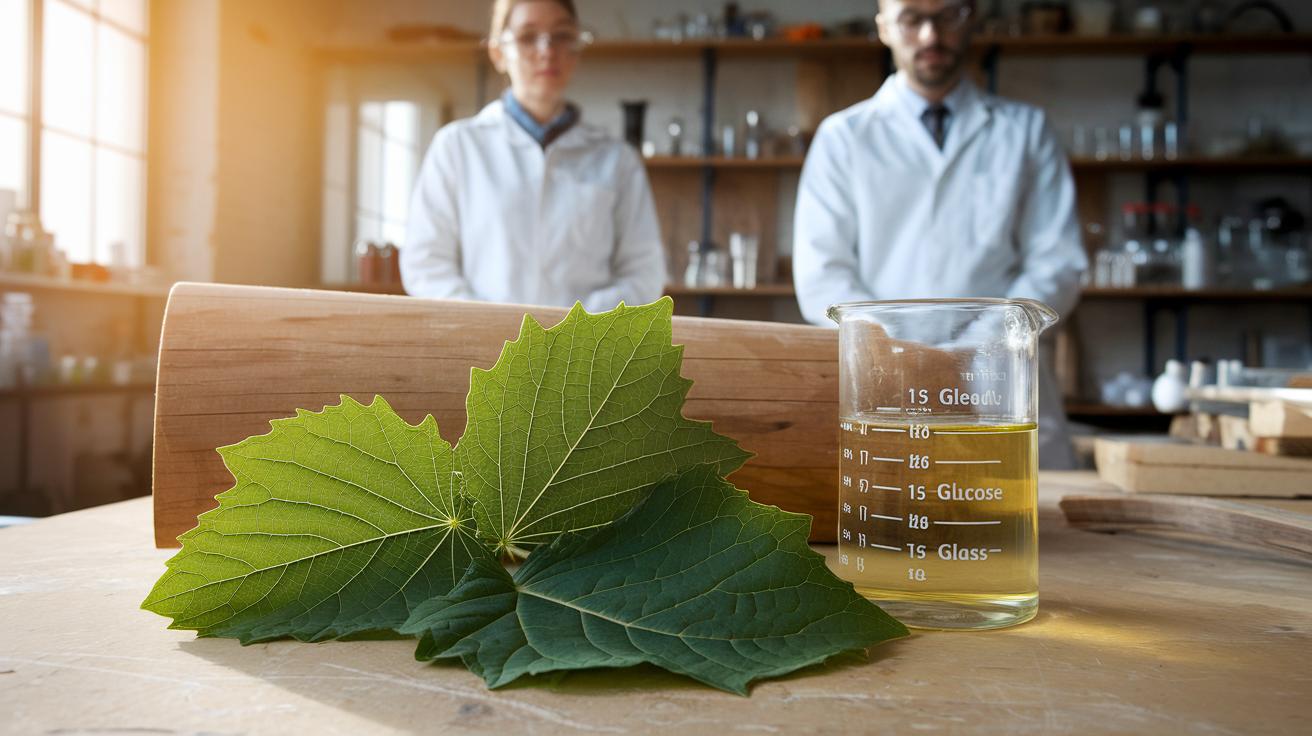
Renewable plant sources are shifting plastic production away from fossil fuels. Softwood trees provide cellulose that is turned into bioplastic components, while corn starch, sugarcane, and cotton derivatives offer alternative ways to produce eco-friendly polymers.
• Plant sources replace traditional fossil inputs.
• Softwood cellulose transforms into chemical building blocks.
• Corn, sugarcane, and cotton provide renewable routes for sustainable plastics.
Cellulose-Derived Monomers
Processing begins by separating wood fibers from lignin. The cellulose then undergoes hydrolysis, which breaks it into glucose. This glucose is converted into lactide, a key ingredient for making polylactic acid (PLA). PLA is commonly used in disposable packaging and consumer goods.
Other Biomass Feedstocks
Corn starch and sugarcane follow similar conversion paths. Enzymes break down corn starch into glucose, which is then reassembled into PLA. Sugarcane is fermented to produce monomers that are used in polymer production. Additionally, cotton derivatives add unique resin qualities for specialized applications.
Regulatory pressures and shifting consumer preferences are driving a steady increase in demand for biodegradable plastics. Companies are enhancing conversion efficiencies and investing in innovation to reduce costs and boost performance, paving the way for a greener plastics market.
Stage-Specific Additives and Enhancers in Plastic Feedstocks
Catalysts and additives shape the final performance of plastic feedstocks. Polymerization catalysts like Ziegler-Natta and metallocene control chain growth. Their control over molecular weight and stereochemistry sets the base for how a plastic will perform.
• Catalysts regulate chain propagation for consistent resin structures.
• Stabilizers protect against UV light and heat, keeping the resin stable.
• Plasticizers boost flexibility, while colorants add hues without weakening the material.
• Fillers lower costs and enhance strength and thermal stability.
Producers carefully select and balance these compounds to meet specific mechanical, thermal, and aesthetic standards. This fine-tuning directly links the formulation to the end-use performance and quality of plastic products.
Supply Chain and Cost Dynamics for Raw Materials in Plastic Manufacturing

The journey from raw materials to finished feedstock kicks off with extraction. Oil, natural gas, coal, and biomass are dug up and then turned into chemical building blocks using simple processes like distillation and cracking. These refined materials travel through local and global networks to reach plastic producers.
• Extraction sources oil, natural gas, coal, and biomass.
• Refining processes transform raw inputs into usable chemicals.
• A global distribution system delivers feedstocks to plastic mills.
Costs in this industry can jump around. Hard-to-find resources, rising fuel prices, and regional differences in labor add to the mix. Market demand also shifts prices, like when increased EV battery production raises the cost of lithium. Other factors such as taxes, customs fees, and the risks of buying in bulk push companies to rethink their pricing strategies continuously.
• Scarcity of materials and crop failures drive price spikes.
• Fuel price changes and transportation issues add cost volatility.
• Regional labor differences and strict quality needs further affect expenses.
• Taxes and bulk-buy risks complicate pricing strategies.
To manage these challenges, manufacturers turn to smart buying tactics. They secure long-term, high-volume contracts to lock in steady rates and reduce shocks. Smart contract structures help firms manage costs over time, while lean inventory practices like just-in-time delivery keep storage expenses low. By matching their buying methods with market trends and supply chain shifts, companies keep production running smoothly and costs in check.
• Long-term contracts lock in better pricing.
• Precise contract terms offer cost certainty.
• Just-in-time systems reduce storage costs and avoid surplus.
Environmental and Regulatory Considerations for Plastic Raw Materials
Fossil-based plastic raw materials have high carbon footprints because their extraction and refining need a lot of energy. These processes also change the land significantly. Bio-based inputs like cellulose come from plants and lower reliance on fossil fuels. However, growing crops for bioplastics can strain land resources, especially when they compete with food production or natural ecosystems.
Global regulations are now shaping how companies source plastic raw materials and manage costs. Key points include:
- European rules require a set percentage of recycled content and enforce life-cycle eco-labeling to track a product’s environmental impact.
- U.S. policies push for extended producer responsibility and mandatory emissions reporting to increase transparency.
- Manufacturers are rethinking procurement strategies, moving toward sustainable compounds and locking in long-term contracts with bio-based suppliers to balance costs and compliance.
These changes encourage innovation and could ultimately reduce the ecological impact of plastic production while altering market dynamics.
Final Words
In the action, this article covers global plastic production numbers, petrochemical feedstocks, coal conversion methods, renewable inputs, and the role of catalysts and additives. It breaks down each segment to show how market inputs affect production and pricing.
We see how raw materials for plastic drive market dynamics and supply chain trends. This clear breakdown helps investors and traders spot timely opportunities and act with confidence.
FAQ
What is the plastic raw material name list and which raw materials are used for plastic production?
The plastic raw material list includes petroleum, natural gas, coal, cellulose, and biomass. These feedstocks form the base ingredients used to manufacture a wide range of plastics.
What are the raw materials for plastic bottles?
Plastic bottles are typically produced from polyethylene terephthalate (PET), which is derived from petroleum-based feedstocks that offer light weight, durability, and clarity for packaging applications.
What is plastic made of?
Plastic is chiefly made from fossil-fuel based petrochemicals. Crude oil and natural gas are refined into key monomers such as ethylene and propylene, with some plastics also incorporating renewable biomass inputs.
What is the plastic raw material manufacturing process?
The process begins with extracting and refining raw feedstocks like crude oil into monomers. Polymerization then converts these monomers into long-chain polymers, which are compounded to form various plastic resins.
How is plastic made from petroleum?
Petroleum is refined into naphtha, which is cracked to produce monomers like propylene and ethylene. These monomers undergo polymerization to create the plastic polymers used in everyday products.
What is the typical price per kg for plastic raw materials?
The price per kg for plastic raw materials fluctuates based on type, market demand, and regional supply conditions, often reflecting changes in fossil fuel prices and production costs.
Who are the common plastic raw material suppliers?
Suppliers include major petrochemical companies and specialized chemical producers that source, refine, and distribute the polymer precursors and feedstocks needed for global plastic manufacturing.
What are five raw materials used in plastic production?
Five primary raw materials are petroleum, natural gas, coal, cellulose, and biomass. Each provides essential chemical building blocks for synthesizing the diverse range of plastic polymers.
What are ten common items made of plastic?
Ten common plastic items include water bottles, food packaging, automotive parts, household containers, electronic casings, toys, synthetic fibers, pipes, insulation, and medical devices.
Where do 79% of all plastic products end up?
Seventy-nine percent of plastic products typically end up in landfills or the broader environment, as recycling rates remain relatively low compared to the volumes produced each year.
How can plastic be made from raw materials?
Plastic is made by converting raw feedstocks like petroleum or biomass into monomers through refining processes. These monomers are then polymerized and compounded into finished plastic products.