


US Dollar Backed by Government Mandates
The US dollar's strength comes from modern fiscal policies and legal requirements. Federal law mandates its use for settling debts, and the government raises funds through taxes and borrowing. This structure builds trust in the currency and makes it a key pillar of today's financial markets.
• Debt payments must be made in US dollars.
• Taxation and borrowing reinforce its value.
• Legal mandates support steady demand.
• This framework underpins confidence in the market.
Modern Backing of US Currency
The US dollar gets its strength from modern fiscal rules and government policies, not from precious metals. The currency's value comes from laws that require it to be accepted for all debts and from the government's power to raise funds through taxes and borrowing.
- Government power to tax and borrow keeps dollars in demand.
- Legal tender rules guarantee dollars are accepted everywhere.
- Treasury securities match the cash in circulation, linking public debt to the currency.
Every dollar ties back to the government's ability to generate revenue. While the dollar used to be backed by gold or silver, its value now comes from regulatory support and market confidence. The surprising fact: the US dollar’s strength is less about shiny metals and more about lawmakers’ mandates and trust in government debt.
Historical Evolution of US Currency Backing
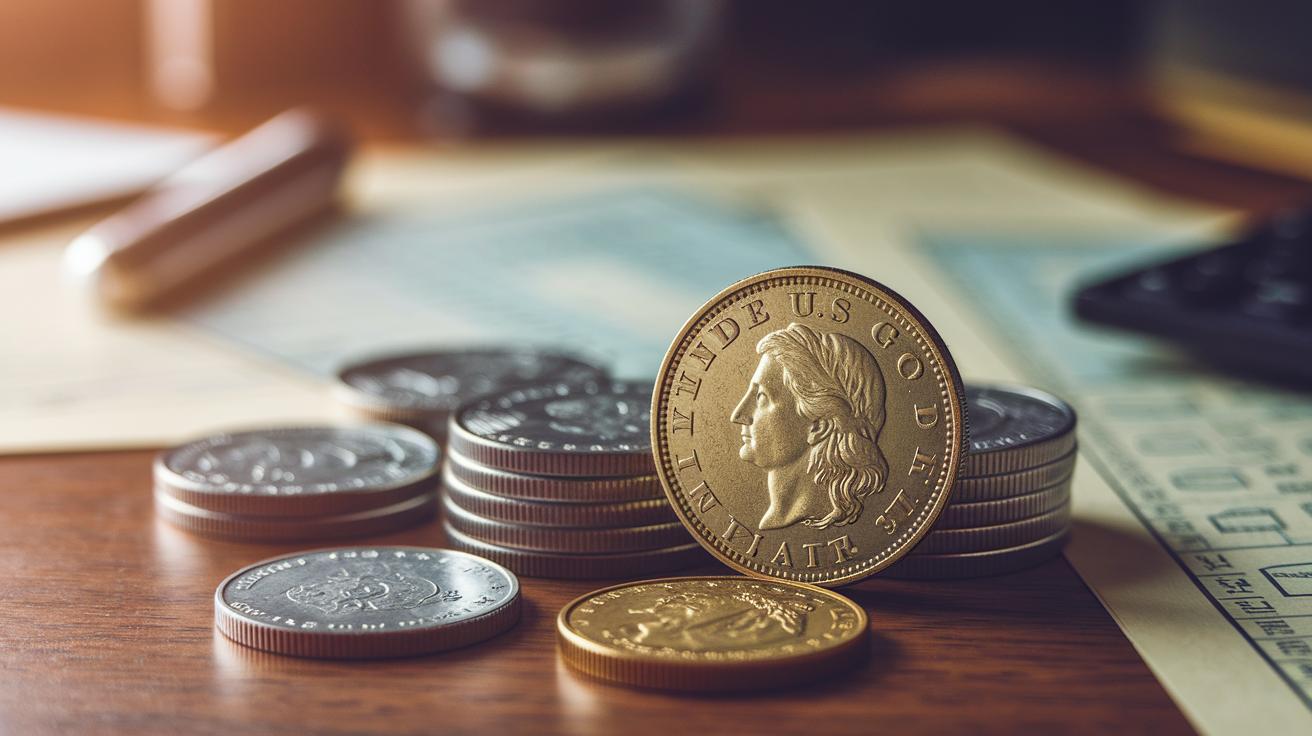
Until August 1971, the US dollar was backed by gold at a fixed 1:1 ratio. Early on, the currency operated under a bimetallic standard set by the 1792 Coinage Act that valued coins in both gold and silver, giving people a physical asset with intrinsic value.
Key points:
- The dollar was once exchangeable for gold, giving it solid backing.
- The bimetallic system provided security through tangible metals.
- Over time, economic growth and market shifts required a more flexible system.
With growing economic complexity and market swings, policymakers moved away from a commodity-based system. This shift came to a head when the Nixon administration ended gold convertibility in August 1971, fully transitioning the US to a fiat currency system. Now, the dollar’s value is upheld by government authority, legal mandates, and public confidence instead of physical assets.
This change marks a fundamental move from relying on physical reserves to using fiscal policy and regulatory power. It has provided modern financial systems the flexibility to adjust monetary policy based on current economic conditions rather than being locked into a fixed metal standard.
Legal and Institutional Foundations behind US Currency
The US dollar stays strong through strict legal rules and clear monetary actions. The 1968 Legal Tender Statute makes it mandatory to use US currency for paying debts, giving the dollar a solid legal base.
• US law requires debts to be settled in US dollars.
• The Federal Reserve uses clear rules to control money supply.
• The Treasury backs circulating cash with Treasury securities.
Under the Federal Reserve Act, the Fed adjusts short-term interest rates and uses open market operations, buying or selling Treasury bonds, to control liquidity. Banks must hold a fixed portion of deposits as reserves, helping manage the amount of money in circulation and keeping inflation in check. For example, when the Fed buys securities, bank reserves rise, potentially lowering borrowing costs.
The US Treasury also strengthens trust in the dollar by pairing the money in circulation with a portfolio of Treasury securities. This link ties the dollar's value to specific government instruments, ensuring fiscal backing through detailed legal and institutional controls.
Fiscal Policy and Revenue as Pillars of US Currency Backing

Government fiscal actions keep the US dollar in strong demand. Routine tax receipts and Treasury bond sales tie the dollar's value to careful budget practices.
- Tax collections support everyday payments and debt servicing.
- Treasury bonds help maintain a steady money supply by funding public borrowing.
- Disciplined budgeting reassures the market and bolsters confidence in the currency.
Global Reserve Status and International Demand for US Currency
The US dollar remains the top global reserve, with central banks holding about 60% of their foreign assets in USD. Its leading role is driven by clear international rules and key financial deals.
- Central banks worldwide rely on the dollar for stability.
- Since 1971, the petrodollar system has required oil to be priced in USD.
- Trade agreements and swap lines keep USD flowing across borders.
Central banks see the dollar as a safe asset for settling cross-border trades even during market stress. The petrodollar link ties oil pricing to USD, ensuring steady demand despite price swings. Swap arrangements ease liquidity pressures, further boosting confidence in the currency.
Overall, these global practices secure the US dollar's place as the preferred medium of international finance and trade.
Final Words
In the action, this article broke down the modern backing of the US dollar. We examined how government revenue, Treasury securities, and strict legal frameworks replace the old commodity basis.
We traced the journey from gold and silver to a regulatory fiat system and uncovered the fiscal policies that stabilize the money supply.
Understanding what backs us currency sheds light on the system’s resilience and global appeal. It leaves us with confidence in the robust structure driving today’s US dollar.