
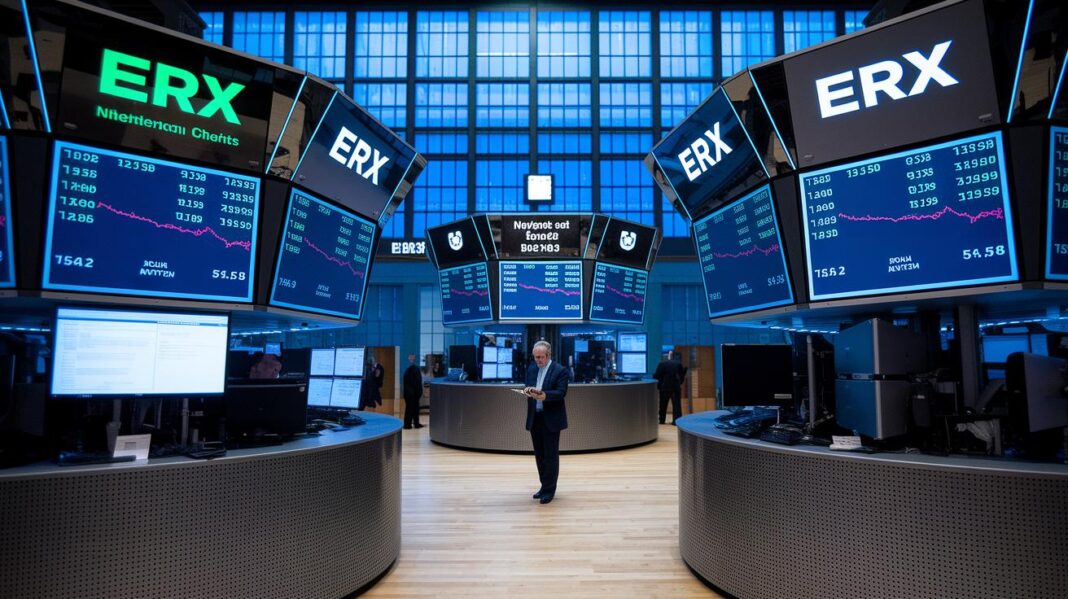

Market Sell-Offs Spark Mixed Reactions
Sharp declines hit the market as unforeseen global shifts and automated trades drive rapid price drops. These moves force investors to decide quickly between risk and opportunity.
• Prices fall fast, shaking investor confidence.
• Unexpected events and algorithm trades spur the declines.
• Some investors see a chance to re-strategize, while others panic.
• Diversifying portfolios may help turn short-term risk into long-term gains.
Today’s market swings highlight the need to reassess investment strategies. As prices drop quickly, investors face a choice: brace for further risk or seize opportunities by diversifying portfolios. Keeping a close eye on market trends and acting with caution could be key to navigating this volatile environment.
Understanding market sell off fundamentals
A market sell-off happens when many investors sell stocks at once, causing prices to drop quickly. This usually follows global events, industry shifts, or economic reports that unsettle investors. For example, unexpected regulatory changes or weak economic data can trigger a rush to sell.
Key takeaways:
- Investors sell quickly to secure cash and reduce risk.
- Some see lower prices as a chance to buy and benefit from a rebound.
- Sell-offs lead to high volatility and rapid price changes.
- Diversifying investments helps spread risk during these times.
During a sell-off, each investor's response depends on their risk tolerance. Some opt to sell immediately to lock in profits or avoid further losses. Others hold off or even buy shares, expecting a market recovery. Recognizing these dynamics can help investors reallocate their portfolios to balance short-term safety with long-term growth.
Key triggers behind market sell off

Investors quickly react when key market events spark uncertainty.
- Geopolitical tensions drive risk-off sentiment.
- Sudden economic slowdowns trigger broad sell-offs.
- Automated trading systems accelerate declines.
Geopolitical conflicts or shifts in international relations often push investors to sell off assets to limit exposure. Unexpected reports of economic slowdowns can also unsettle markets, leading to widespread selling. Meanwhile, short-term trading algorithms execute rapid sell orders that deepen price falls.
Industry-specific issues add another layer of risk. Changes in regulations or new technological developments can unsettle particular sectors, creating uncertainty. Similarly, corporate news, like earnings misses or sudden leadership changes, can trigger sharp stock drops. For example, when a major company saw an unexpected leadership shift, its shares fell nearly 10% within minutes.
Investor behavior further amplifies these triggers. Panic and herd mentality can quickly turn cautious selling into mass exits, while high-frequency trading systems sweep up the declines, deepening the downturn. Recognizing these catalysts helps investors monitor market signals and adjust their strategies amid uncertainty.
Investor behavior during market sell off
When markets drop, investors usually fall into two groups. Some sell quickly to secure cash and limit losses, while others hold on or add to their positions, betting on a rebound. Fear often drives the quick sellers, while more measured investors see low prices as a buying opportunity.
- Rapid selling limits losses but can miss out on future gains.
- Holding or buying at lower prices can pay off when the market recovers.
- Emotions frequently override technical analysis during sell-offs.
- Knowing your risk tolerance helps manage emotional decisions and avoids forced selling.
Investors need to balance short-term risks with long-term goals, keeping in mind that emotions can heavily influence their market moves.
Risk management tools for market sell off

When markets fall fast, managing risk is key. Using automated tools helps limit losses when prices drop.
• Stop-loss orders sell your investments once a set price is hit, capping losses immediately.
• Trailing stop-loss orders move up with price gains, locking in profits while protecting against sudden drops.
• Limit orders let you sell only if you get your desired price back.
• Spreading investments across stocks, bonds, and other assets can smooth out volatile market movements.
A stop-loss order triggers a sale as soon as your chosen price is reached. A trailing stop adjusts automatically to rising prices, ensuring gains aren’t lost if the market reverses. Diversification means you won’t rely on one asset class, reducing the impact of a single sector’s decline. Technical analysis of past price trends can also help set smart exit points.
| Tool | Purpose |
|---|---|
| Stop-Loss Order | Sells automatically at a set price to cap losses |
| Put Option | Gives the right to sell at a specific price, hedging against declines |
| Limit Order | Executes a sale only at or above a predetermined price |
Using these strategies helps investors act quickly during market turbulence while keeping long-term goals in view.
Case study: market sell off at Opendoor Technologies
Opendoor Technologies surged 275% in early 2025 after new CEO Kaz Nejatian, formerly with Shopify, unveiled a bold plan to cut staff and deploy artificial intelligence across 50 markets. Investors rushed in, expecting strong growth.
• Stock jumped 275% on the new turnaround plan.
• Nejatian’s strategy focused on cutting costs and using AI for efficiency.
• A rapid 40% sell-off soon followed as traders took profits.
• The case shows how high enthusiasm can lead to quick reversals.
The dramatic swing reveals that even strong turnaround strategies can backfire when optimism is priced in too early. Investors need to examine stock valuations carefully during major shifts. Those with low risk tolerance may struggle with such volatility, while aggressive investors might still bet on long-term gains despite the risks.
Final Words
in the action, we broke down the basics of a market sell off, its key triggers, investor responses, and risk management tools.
We covered how global events and corporate news spark rapid selling, while investors weigh between cutting losses and seizing buying opportunities.
The case study on Opendoor Technologies illustrated real-world impacts. This analysis aims to provide clarity during volatile times, helping you spot tradeable opportunities even amid a market sell off. Stay informed and ready for what’s next.
FAQ
What is a market sell-off?
The market sell-off means a situation where many investors sell stocks at once, causing a rapid drop in prices. This behavior is typically triggered by global events or significant corporate news.
Why is the market selling off today?
The market selling off today reflects a reaction to negative news or economic shifts that drive investors to exit positions quickly, resulting in widespread automated and panic-driven sell orders.
What is the 7% sell rule?
The 7% sell rule refers to a guideline where traders may sell a stock once it falls 7% from its recent peak, aiming to limit further losses, although practices and thresholds can vary.
What should you do during a stock market sell-off?
During a sell-off, you should review your risk tolerance, consider protective measures like stop-loss orders, and evaluate if lower prices present a buying opportunity for quality assets.