


Gold Surges to Nearly $4,400/oz Driven by Global Demand
Gold touched nearly $4,400 per ounce in December 2025 as demand surged from three key forces.
• Jewelry purchases in China and India spike during major festivals.
• Central banks ramp up gold buys to bolster reserves.
• Both retail and professional investors turn to gold as a safe haven amid uncertainty.
In December 2025, gold prices nearly reached $4,400 per ounce. Demand grew as buyers in China and India sought gold during their prominent festival seasons. Central banks also stepped up gold purchases to strengthen their reserves. Meanwhile, investors looking for a safe asset during uncertain times flocked to gold. Watch for continued buying pressure as these trends shape market outlooks.
Gold Demand Drivers Overview: Jewelry, Central Banks and Investor Influence
Gold hit a record high of $4,398 per ounce in December 2025 futures, up nearly 30% year-over-year. This spike is driven by strong jewelry demand, aggressive central bank buying, and growing investor interest.
• Gold jumped nearly 30% compared to last year.
• Traditional markets in China and India boost jewelry demand.
• Central banks bought over 1,000 metric tons in 2024.
• Investors favor gold as a safe-haven amid uncertainty.
Jewelry remains a key factor. In China and India, consumers prize gold both for its beauty and as a reliable store of value. Ongoing cultural events and celebrations keep this demand steady even when global conditions shift.
Central banks have been active too. In 2024, they purchased more than 1,000 metric tons, the highest year since the early 1970s. This move marks a growing shift away from fiat currencies amid rising geopolitical risks, helping diversify national reserves.
Both institutional and retail investors now see gold as a safeguard during turbulent times. Its status as a safe-haven asset is attracting purchases in diverse markets. Also, stable recycled gold, making up about 28% of global output in 2024 and expected to hold in 2025, supports the overall supply landscape.
Jewelry Demand Driving Gold Consumption
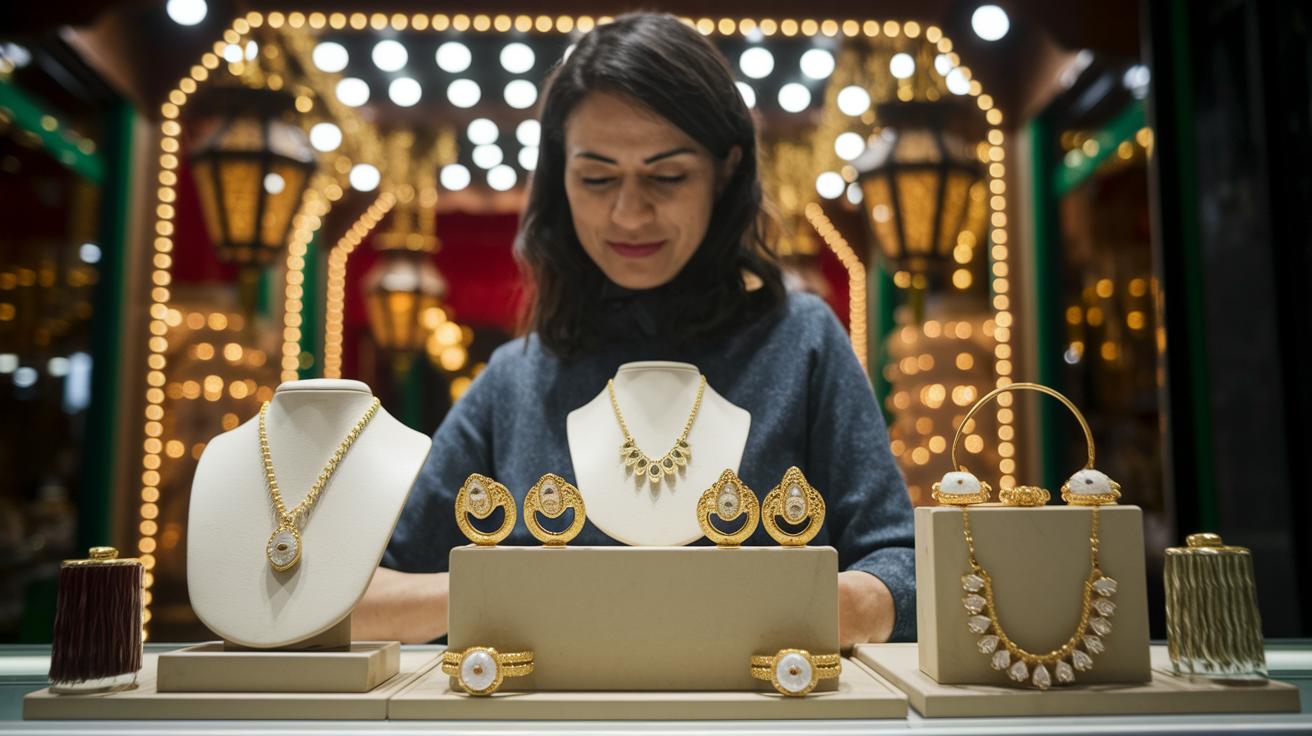
Jewelry remains a major driver of gold buying in China and India, where gold serves both as a stylish accessory and a trusted investment. Buyers now look for pieces that not only please the eye but also provide safety as a real asset. Major festivals like Diwali trigger quick surges in purchases, sometimes followed by short corrections that affect global prices.
- Cultural festivals like Diwali and Chinese New Year spur buying.
- Wedding and bridal jewelry in South Asia sees strong demand.
- Rising disposable incomes in emerging markets boost purchases.
- Consumers blend fashion appeal with a safe-storage function.
- Holiday gift trends support steady growth.
Consumer preferences are shifting. Today’s buyers value intricate craftsmanship paired with the security of a tangible asset. As modern tastes evolve, gold jewelry is seen as both a cherished adornment and a smart hedge against uncertainty, cementing its role in the global market.
Central Bank Gold Purchases and Policy Impact
Central banks are buying gold fast, with over 1,000 metric tons purchased in 2024. This marks the third consecutive year of strong buying as treasuries shift away from fiat currencies amid geopolitical risks and declining currency values.
• Russia led with 274 tons, while China followed with 200 tons.
• Turkey and India added 70 and 50 tons respectively, reinforcing a trend seen since 2022.
• Officials say this move is all about reducing risk and protecting national wealth against inflation and market turbulence.
By moving assets into gold, central banks aim to boost liquidity and shore up financial stability during uncertain times.
Investor Demand Trends in Gold Markets
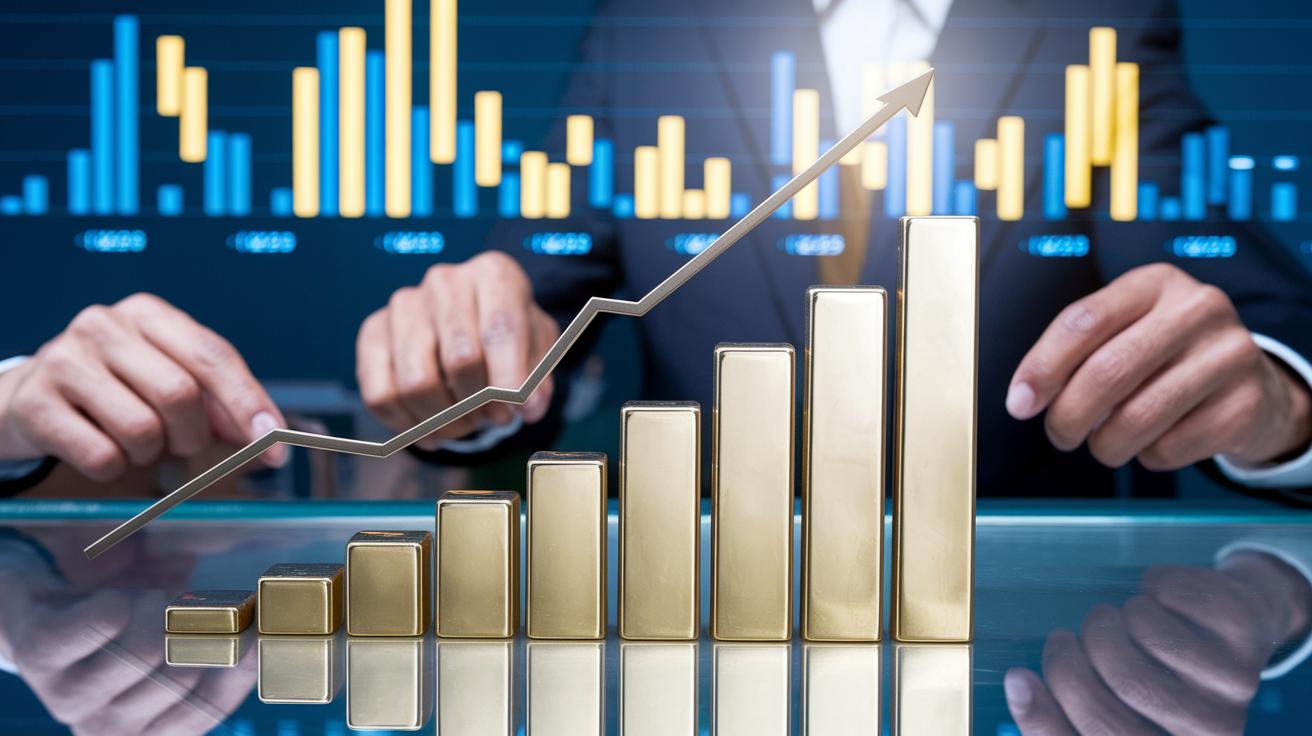
Institutional investors and gold-backed ETFs saw record inflows in 2024. Investors now view gold not just as a safe haven but as a key tool for diversifying portfolios amid market swings.
• Record inflows boost gold demand
• Investors use gold to hedge against market and currency volatility
• Japanese investors increase gold ETF holdings as bond yields hover near zero
Investors worldwide are adding gold to protect against the ups and downs in stocks and bonds. In Japan, low bond yields and a fluctuating yen have driven domestic investors to boost their gold ETF holdings. This trend shows that when traditional fixed income falls short, tangible assets like gold gain appeal.
Analysts expect gold to trade between $5,000 and $6,000 per ounce by 2028. Despite challenges in other sectors, gold remains a reliable choice for reducing risk in uncertain market conditions. It is increasingly seen as essential for both inflation protection and overall portfolio stability.
Supply Dynamics and Future Outlook for Gold Demand
Gold supply is expected to grow modestly in 2025 as mines upgrade equipment and start new projects. Meanwhile, industrial demand from the electronics sector remains steady but small compared to investment and jewelry uses. Recycled gold continues to provide a solid foundation, offering about 28% of overall supply and helping to fill production gaps.
• Mine production is set to drive overall supply, accounting for roughly 72% in 2025.
• Investors see gold as a safe haven, with prices forecast between $5,000 and $6,000 per ounce by 2028.
• Steady industrial consumption and increased interest from investors balance market demand.
• Technological advances in mining and recycling, alongside new mine investments, support this outlook.
These trends indicate that despite modest production increases, consistent recycling and strong investor demand will help stabilize gold prices and supply in the coming years.
| Supply Source | 2025 Estimate |
|---|---|
| Mine Production | ~72% of supply |
| Recycled Gold | 28% of supply |
Final Words
In the action, key forces drive gold demand, from robust jewelry purchases and central bank accumulation to investor moves amid market shifts. We reviewed how festive consumption patterns, state reserve strategies and portfolio diversification combine to shape current trends. The data points, from record gold futures to rising ETF inflows, underline the market’s dynamic environment. Gold demand drivers (jewelry, central banks, investors) continue to influence pricing and trends, offering clear trading insights and opportunities. Markets remain active, and participants can capitalize on these ongoing shifts.
FAQ
Q: What drives gold demand among jewelry, central banks, and investors?
A: The drivers of gold demand include jewelry purchases powered by cultural trends, central bank acquisitions aimed at diversifying reserves, and investor activity seeking a safe-haven during times of economic uncertainty.
Q: How do gold demand and supply statistics and charts aid market analysis?
A: Gold demand and supply statistics, along with charts, provide a visual and numerical breakdown of production versus consumption across sectors, helping market participants gauge trends and future pricing dynamics.
Q: How is gold demand forecast developed, including projections for 2030?
A: Gold demand forecasts are built on historical data, current consumption trends, and investor behavior, with projections for 2030 reflecting sustained central bank activity and growing safe-haven interest amid market uncertainties.
Q: What factors are considered when assessing key sectors driving gold demand?
A: Key sectors include jewelry trends in major markets, central bank diversification strategies, and investor demand influenced by market volatility, all of which play critical roles in shaping overall gold consumption patterns.
Q: What does current gold demand data indicate about market trends?
A: Current gold demand data shows robust activity across jewelry, central banks, and investor segments, confirming strong market fundamentals and pointing to continued price support amid ongoing economic challenges.